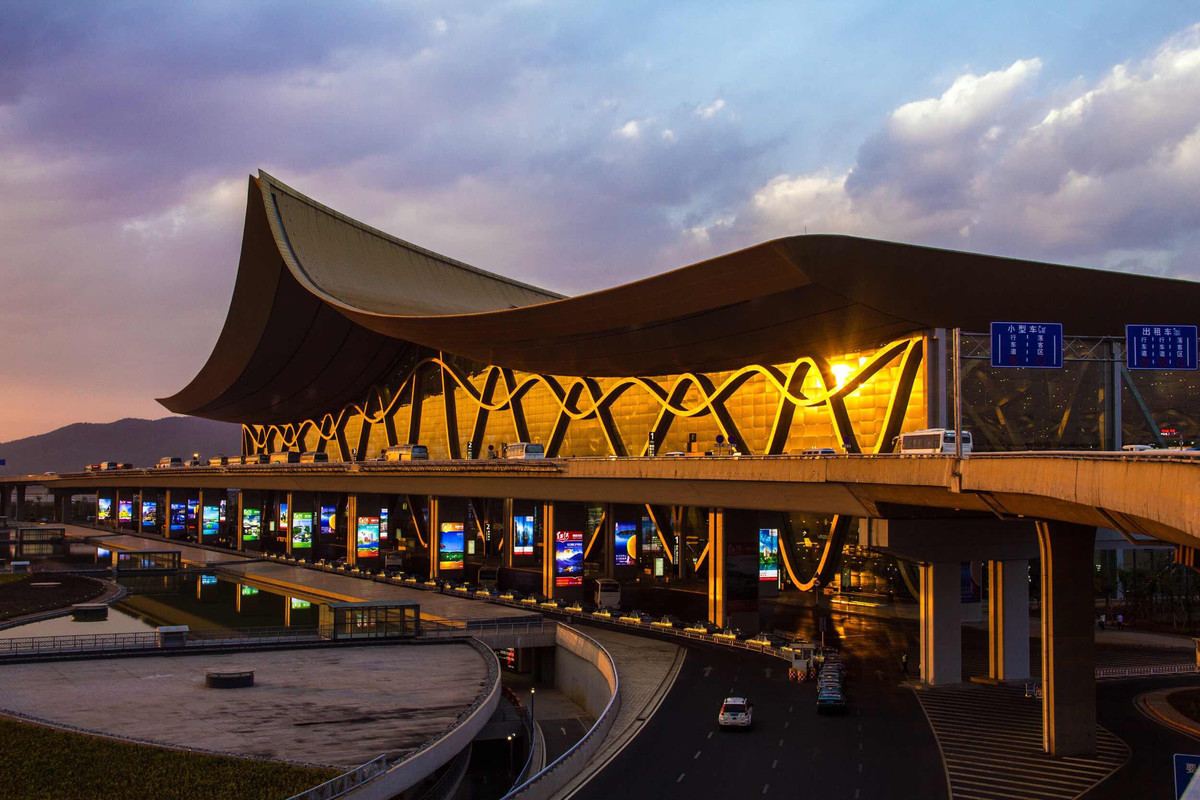
After years of handing cars to people straight off long-haul flights, I can tell you fairly plainly that the first day is where a good many trips get off on the wrong foot, usually through no fault of the driving itself. You are tired, your body clock is somewhere else, and the temptation is to hit the road immediately to make the most of the holiday. That is almost always a mistake, and a small amount of planning around the first day pays off across the whole journey. This guide is about how to pace the opening of a Dali Lijiang rental so the car feels like a help rather than another demand, and so you arrive at the scenic roads rested rather than drained.
What a long flight actually does to your driving
It is worth being honest about the effect rather than toughing it out. After many hours seated, your reaction time is slower, your concentration is shorter, and jet lag does the same kind of dulling to judgement that a poor night's sleep does, often without you fully noticing. The first hour on unfamiliar roads, with signs in a different writing system and a car whose controls are new, is precisely when you want to be sharp. Add the fact that China drives on the right, which takes a little adjustment if you are used to the opposite, and there is a clear case for not testing all of that while fatigued. None of this is about being a nervous driver; it is simply recognising that tiredness and a new environment are a poor combination.
Why the first day should not include a long transfer
The single most useful change is to take the long haul off day one. If you are starting in Kunming, resist the urge to drive straight to Dali or Lijiang on the day you land; that is a motorway run of several hours, and doing it tired is both tiring and where small mistakes creep in. Instead, treat the first day as arrival and settling. The same logic applies if you fly closer to the region: even a short transfer is best done calmly, with the rest of the day kept light. This is not a lost day, because it changes the quality of every day after it. A rested first morning on the road is worth more than a groggy evening forcing distance, and the first route planning notes help you see how the opening leg fits.
The pickup and inspection, done without rushing
When you collect the car, give the handover proper attention rather than treating it as a formality, because tired eyes miss things. Walk around the vehicle, note any existing marks on the inspection sheet, and take a short video the way the pickup inspection guide describes, so you have a clear record. Adjust the seat, mirrors and steering before you move, find the lights, wipers and indicators, and pair your phone with the mount or charger. A few quiet minutes in the car park getting familiar is time well spent and removes the fumbling that happens when you discover a control mid-junction. The paperwork, including the temporary driving permit, will already be arranged, so this is about the car, not the documents.
A gentle first drive rather than a test
If you do drive on day one, keep it short and simple. A short hop to the hotel, a slow loop nearby, or an easy errand to a supermarket for water and a few supplies is enough to get used to the car's size and the feel of the pedals without pressure. Avoid rush hour and complex city navigation on the first outing, and if you are heading into an old town, remember that the centres are often pedestrian only and you park just outside, as the old town parking notes explain. The aim is a small success in the car, not a challenge. Many guests tell me that even twenty minutes of gentle driving made them feel properly settled for the next morning.
Sleep, food and the practical reset
The body catches up faster if you help it. Get some daylight and a proper meal at normal local times, drink water rather than relying on coffee, and avoid the urge to sleep the whole afternoon away, which can push jet lag deeper into the trip. A short rest is fine; a long daytime sleep often makes the first night worse. Check into somewhere comfortable, confirm the next day's route on a fresh screen rather than a tired one, and set a reasonable start rather than a dawn alarm. Sorting the navigation and the fuel plan the evening before means the morning begins calmly, with no decisions to make before coffee.
How the rest of the trip benefits
This gentle opening compounds. By day two you are rested, familiar with the car, and over the first adjustment to driving on the right, so the genuinely scenic roads, the Erhai loop and the mountain runs, get your full attention. Accidents and near-misses cluster around the start of rentals far more than people expect, and a calm first day is the practical way to avoid joining that pattern. It also tends to be more enjoyable: the holiday begins with a relaxed evening somewhere pleasant rather than a white-knuckle arrival in the dark. Once you have done it this way once, the logic is obvious and you will not want to rush it again.
The short version
Do not put a long transfer on the day you fly in. Do the pickup and inspection carefully, take a short gentle drive to settle into the car, then rest and reset with food and daylight. Leave the real roads to a fresh morning, when the temporary permit is ready and you are alert. Tell me your arrival time and I will build the itinerary around a soft first day, suggesting where to stay and how the opening leg runs, so the trip starts rested and stays that way.
Zara
Yunnan Province International Travel Agency (Group) Co., Ltd.
WeChat/WhatsApp: +86 13759155671
WeChat handle: qxzj7557
Email: [email protected]