For a lot of visitors, the first real test of driving in China comes almost immediately, because the road from the airport leads onto the expressway network before they have fully settled into the car. The idea of joining fast traffic in an unfamiliar vehicle can be daunting, but a Chinese motorway is in many ways an easier place to drive than a busy city street, and a little understanding of how it works settles the nerves. This guide follows the whole first motorway experience after a Kunming airport car rental, from the moment you see the entry signs to the point where you leave at your destination, covering merging, lanes, speed and the practical details. Treat it as a calm walkthrough, and the expressway will feel like a help rather than a challenge.
Before you join: getting the car ready
The useful work happens before the ramp, not on it. As you leave the airport, take a few minutes to set the seat and mirrors, confirm the navigation is giving the correct route, and know which exit you are aiming for, so you are not making decisions at speed. The handover is the right time to find the lights and indicators, and the pickup inspection guide covers the familiarisation. With the destination saved and the route understood, the drive becomes a matter of following signs rather than reading a map under pressure. A tired driver who has prepared the car quietly is in a far better position than one who sorts everything while already moving. This is the unglamorous part that makes the rest easy.
Joining the traffic on the slip road
The entry ramp is the part people worry about most, and the principle is simple: use it to build speed to match the traffic rather than entering slowly. The slip road gives you room to accelerate, and you then merge into the outside lane at a similar pace to the cars already there, adjusting your speed and signalling clearly. Traffic on the main carriageway generally keeps a predictable line, and a smooth, confident merge at the right speed is safer than a hesitant one that forces others to brake. If the gap is tight, ease off and let a car pass before joining rather than forcing it. Nobody expects perfection, and the broad lanes and long ramps around the airport make this a forgiving place to learn the rhythm. Once you have merged once, the process is never intimidating again.
Lane discipline and where to sit
Chinese expressways are multi-lane, and the rule that keeps everything calm is to keep right unless overtaking, returning to the lane after passing rather than sitting in the faster one. The nearside lanes are where through traffic and lorries tend to travel, while the overtaking lanes are for passing and should be left clear. Pick a lane that suits your exit and your comfort, hold a steady speed, and avoid weaving between lanes as the traffic moves. The traffic rules guide sets out the speed limits, which are clearly signed and vary with the road and the vehicle. Staying predictable, with smooth lane changes and clear signals, is exactly how the local drivers judge a safe car, and it is easy to do once you stop worrying about the speed itself.
Reading the signs and staying on route
Motorway signage in China is genuinely clear, with route numbers, destinations and exit numbers shown in both Chinese and English, often well before the turn itself. The navigation voice reinforces the boards, so the practical habit is to trust the signs and get into the correct lane early rather than changing at the last moment. Distances to upcoming exits are counted down on the roadside, which removes the surprise of a turn coming up. The navigation app guide explains how the apps work alongside the boards. If you do miss an exit, the safe rule is to continue to the next one and come back, never to stop or reverse on the carriageway. Good signage means a calm driver rarely gets lost, and the system is designed to forgive a small error.
Speed, distance and the traffic around you
Keeping a safe gap matters more than holding a particular speed, and the motorway is where that habit pays off. Maintain a generous distance to the car ahead, extending it when the traffic is faster or the weather wet, so you have time to react to anything braking. Match the general flow within the posted limit rather than driving far slower than the surrounding traffic, which can itself be awkward. Lorries are slower and mostly keep to their lanes, and passing them smoothly with a clear signal is routine. The toll and ETC notes explain the charges and the booth lanes you will meet. A relaxed driver who watches the traffic several cars ahead sees problems early and never has to make a sudden move.
Toll stations and leaving the motorway
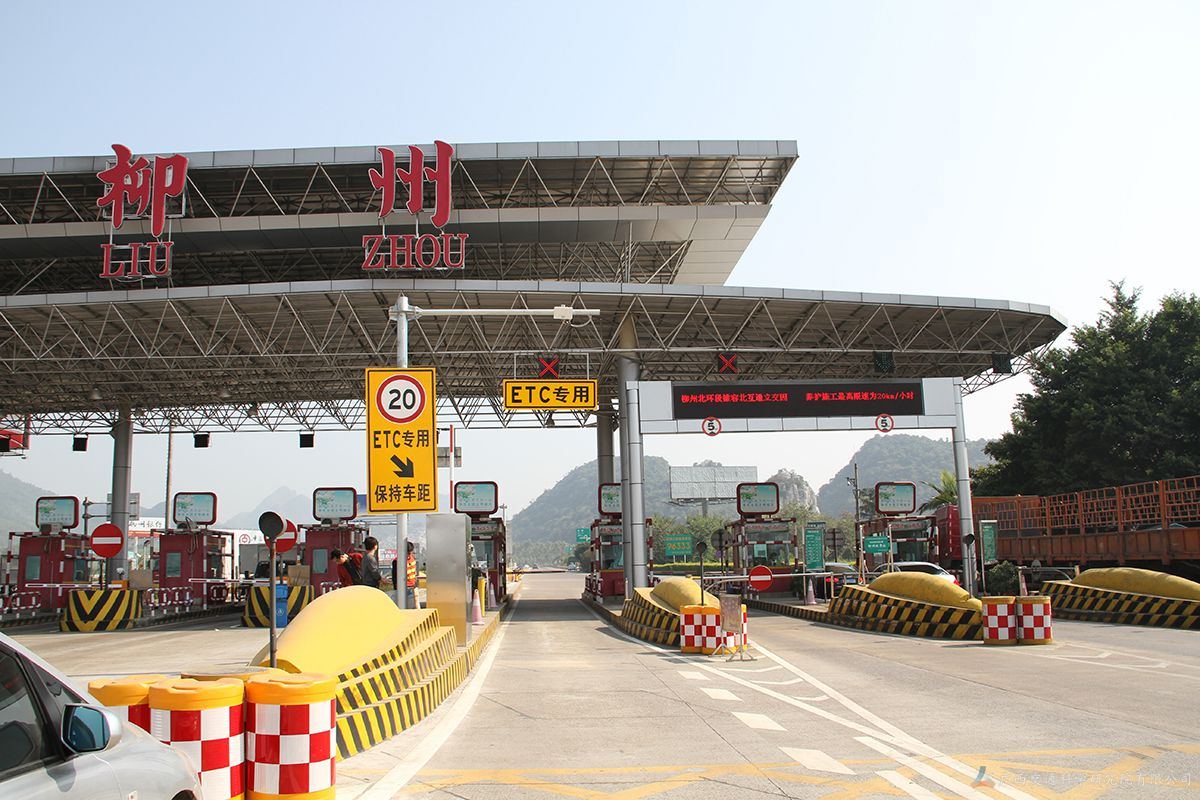
Many expressways pass through toll points, and approaching them is simply a matter of choosing the correct lane early, following the markings for ETC or manual payment rather than changing late. The toll payment guide covers the process, and the booths are well signed in advance. At your exit, the deceleration ramp lets you shed speed smoothly before the roundabout or junction below, so you are not braking hard on the main road. Indicate in good time and follow the ramp down, then re-check the navigation for the final part of the route. The end of the motorway is as orderly as the entry, and by the time you reach the first junction you will already feel comfortable with the car.
If you would rather not take the motorway
It is worth remembering that the expressway is a choice, not an obligation, and parallel national roads cover most routes for anyone who prefers a slower start with a Kunming airport car rental. They are free, more scenic, and let you build confidence at lower speeds, though they take longer and pass through towns and junctions. For a first day after a long flight, some travellers deliberately choose the gentle road and leave the motorway for when they are rested. The first-day pacing guide explains the reasoning. Knowing you have an alternative removes the feeling of being trapped on a fast road, and you can always join the expressway later in the trip.
The short version
After a Kunming airport car rental, prepare the route before joining, use the slip road to match the traffic speed, keep right except to overtake, and follow the clear bilingual signs. Hold a safe gap and choose toll lanes early, with the national road available if you prefer a slower start. Send me your destination and I will explain which roads the first leg uses and where the exits and tolls sit, so the opening motorway feels calm from the moment you leave the airport.
Zara
Yunnan Province International Travel Agency (Group) Co., Ltd.
WeChat/WhatsApp: +86 13759155671
WeChat handle: qxzj7557
Email: [email protected]