If you want to see a genuinely less-visited part of Yunnan, the southwestern prefecture of Lincang offers a deeper, quieter journey than the famous western towns. It is a mountainous region of tea hills, subtropical valleys and the country of the Wa people, reached by a longer drive that keeps many tourists away, which is precisely its appeal. Arranging the trip through a Kunming airport car rental for foreigners means taking the distances and the winding roads seriously, while being rewarded with authentic villages and some of the most sought-after tea in China. This guide explains what the region holds, how the driving works, and how to prepare so the remoteness feels like an adventure rather than a problem.
The tea that made the region known
Lincang is one of the great tea-producing areas of Yunnan, and certain hills here produce leaves that are prized by tea drinkers across the country, including some of the famous ancient-tree gardens. As in Puer, the tea grows both in managed gardens and on old trees in the forest, and the cool mists and mountain climate give the leaves their character. Small producers offer tastings and explain the differences between villages and harvests, and a visit here appeals to anyone curious about where respected tea actually comes from. Even if you are not a dedicated drinker, the sight of the green hills in morning cloud and the quiet of the gardens make the long drive worthwhile. The tea culture is woven into daily life rather than staged for visitors.
Wa culture and the ethnic southwest
The region is strongly associated with the Wa people, one of the many ethnic groups of the southwest, and their villages, wooden houses, music and festivals give the area a character quite distinct from the Han towns. Other groups including the Dai, Lahu and Bulang also live in these valleys, and the local markets gather them together in lively scenes of food, cloth and crafts. Visiting respectfully means asking before photographing, observing local customs at the festivals and supporting villages through small, genuine purchases rather than treating the culture as a performance. The history of the area and its position near the border add depth for travellers who take the time to understand it, and a guide or a local host can open doors that a casual visitor would miss.
The subtropical landscape and the mountains
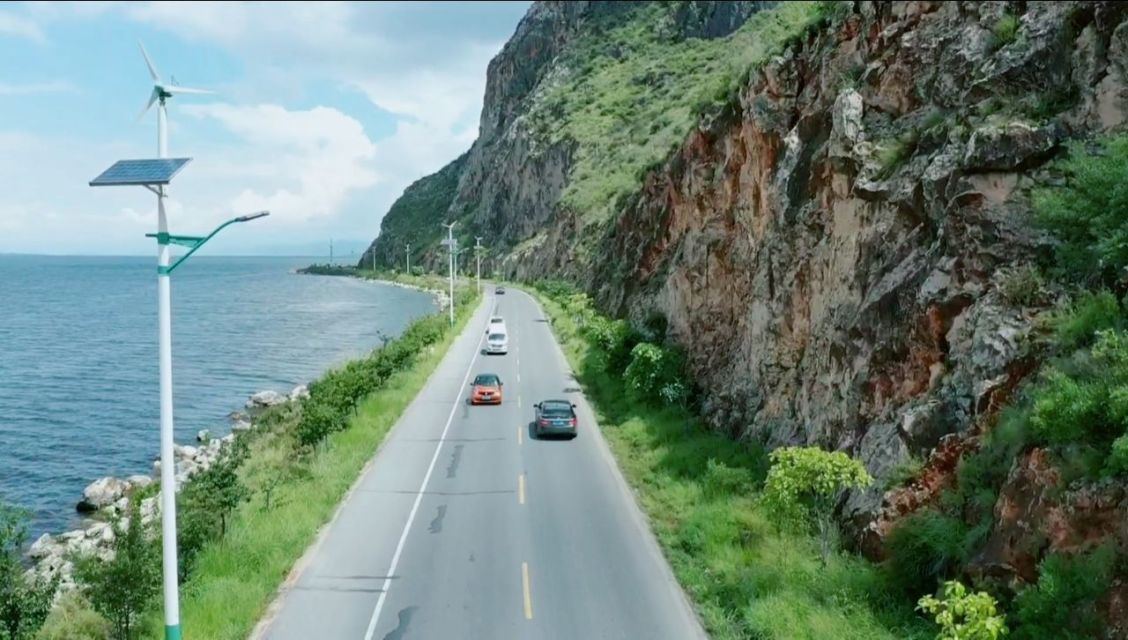
Lincang's country is a rugged mix of high ridges, river valleys and subtropical forest, with the Lancang, the upper Mekong, running through the wider region. The scenery is green and dramatic, with waterfalls, gorges and views that open suddenly from the high roads, and the warmer valleys support a different range of plants and crops from the plateau. The mountain roads are the defining feature of the driving: mostly two lanes, winding and sometimes slow, with the weather changing quickly and landslips more likely in the rainy season. The mountain road guide is essential reading, and the low-visibility guide helps with the mists that settle in the valleys.
Planning the drive and choosing the car
The distance from Kunming means this is a multi-day trip rather than a day run, and the honest approach is to break the journey at towns along the way, building in enough time for the slow mountain sections rather than judging by map distance alone. The Tengchong and Ruili guide covers the neighbouring western region and helps plan a wider loop. While the roads are usable, a capable vehicle adds confidence on the long, winding route, especially in wet weather, and it is worth discussing the terrain and the mileage arrangement when booking. Fill the tank at the larger towns, because fuel stations are farther apart in the remote hills, and carry food, water and cash for the simpler villages.
Staying in touch and travelling at a steady pace
On a remote route, the practical habits that matter are simple ones. Before leaving each town, tell someone where you are heading and roughly when you expect to arrive, and keep the booking contact saved so a question about the road or the weather can be answered quickly. A Kunming airport car rental for foreigners is supported remotely, and a short message describing your position is often enough to settle a doubt about the next section. Keep the phone charged with a power bank, because the navigation and the camera both draw on it, and do not rely on a signal in the deepest valleys. The driving itself should be unhurried: take the bends as they come, stop at the viewpoints, and treat the journey as the point of the trip rather than a distance to be cleared. Travellers who keep this calm rhythm tend to remember the road itself, not the hours it took.
Documents, timing and being ready
As anywhere in China, the legal basis for driving is the Chinese temporary driving permit rather than the home licence, and a remote trip is the wrong moment to find a paperwork gap, so the permit is arranged in advance and carried with the passport. The drier, milder months are the comfortable window, because the rainy season brings a real risk of disruption on the mountain roads, while the warm valleys stay green year-round. Save offline maps for the areas where the signal weakens, and keep the phone charged and a little cash to hand. The deposit guide covers the payment side, while the practical emphasis here is on self-reliance and steady, patient driving.
The short version
Lincang is a remote southwestern tea region reached on a multi-day drive after a Kunming airport car rental for foreigners, offering prized tea hills, Wa and other ethnic cultures and subtropical mountain scenery. Take a suitable car, arrange the temporary permit early, prefer the drier months, and carry fuel and supplies. Send me your available dates and I will build a realistic itinerary and help combine it with the western towns, so the journey stays adventurous but well prepared.
Zara
Yunnan Province International Travel Agency (Group) Co., Ltd.
WeChat/WhatsApp: +86 13759155671
WeChat handle: qxzj7557
Email: [email protected]