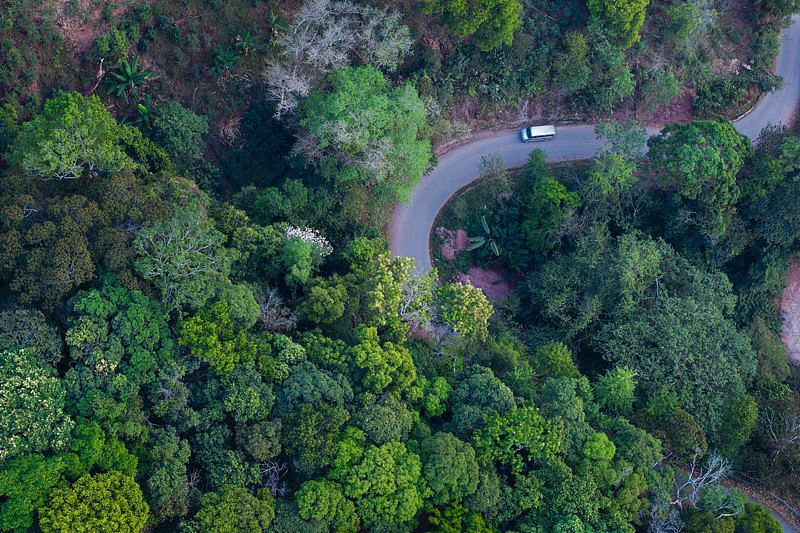
As someone who’s logged thousands of miles on Yunnan’s winding mountain roads over a dozen trips, I’ve lost count of how many first-time visitors I’ve met who are equal parts excited and daunted by the idea of self-driving around Dali, Lijiang and the surrounding highlands. The scenery is unbeatable, the small towns feel worlds away from China’s big eastern metropolises, and having your own car lets you pull over for unplanned tea stops or sunrise views over Erhai Lake without relying on infrequent local buses. But one question comes up again and again, usually half-whispered over a post-drive beer: what happens if a roadside camera catches you speeding, or rolling through a quiet village junction, and how on earth do you pay the fine without a local Chinese driving licence or bank account?
I’ve walked through this process with enough fellow travellers to know it’s far less scary than it sounds, especially when you’re working with a local agency that handles the admin on your behalf. Let’s break it down, from how rental deposits tie into fine checks to the step-by-step process for sorting out camera-captured offences, so you can focus on enjoying the drive rather than worrying about post-trip loose ends.
First: The Basics of Yunnan Self-Drive Rental for Foreigners
Before we dive into fines, it’s worth getting the core rental context straight, because it directly impacts how traffic offences are handled. When you arrange Yunnan self-drive rental for foreigners, you won’t need to navigate local licence bureaucracy on your own: the team can arrange a China temporary driving licence for RMB 1,500, with no requirement for you to attend an in-person appointment. All vehicles are petrol-powered, with no electric options in the fleet, which is a relief given how sparse charging points can be on the more remote Shangri-La stretches.
The standard daily rates are straightforward: a VW Lavida 1.5L or Jetta 1.4T costs RMB 260 per day, with a RMB 3,000 rental deposit and unlimited mileage, ideal for casual Dali and Lijiang loops. If you want the higher clearance of a Tank 300 2.0T for rougher side roads, that’s RMB 400 per day, with a RMB 5,000 deposit and a 300km per day mileage limit. If you’re picking up in one city and dropping off in another — say, collecting from Kunming airport car rental for foreigners and returning in Lijiang — there’s a one-way return fee of RMB 1,500. Pickup and return are available either at the airport or the city office, and the booking deposit of RMB 600 is non-refundable if you need to cancel for personal reasons.
Insurance is included with every rental, covering both compulsory and commercial cover. The damage rules are simple: minor scratches under RMB 1,500 are paid by the client, while damage above that threshold goes through insurance, with the client bearing 30% of the cost. Scratches that don’t break the primer are fixed for free, and there are no downtime or depreciation charges for paintwork or replaced parts; downtime fees are waived for up to 5 days if major damage requires repairs. If the car breaks down from a mechanical fault, the team covers all associated costs, though towing for client-caused issues is at the client’s expense.
How Traffic Camera Offences Tie Into Your Rental Deposit
Here’s the key detail most first-time renters miss: your rental deposit isn’t just held to cover car damage. It’s held until a full traffic fine check is completed, which is why deposits are refunded 5-7 working days after you return the vehicle. Roadside traffic cameras in Yunnan don’t always send offence notices instantly — sometimes it takes a week or two for the local traffic management department to log an offence tied to the car’s registration plate, which is why the agency waits to run the full check before processing your refund.
This system works in your favour, as a foreign visitor, because you don’t have to track camera notices yourself while you’re travelling. When you book Dali Lijiang car rental for foreigners through the local team, they keep an eye on the car’s registration status for the standard notice period, rather than making you check every few days via a government app you won’t have access to.
The Step-by-Step Process for Paying Camera-Captured Traffic Fines
I’ve talked through this process with enough people who’ve had a camera catch them on the stretch between Dali and Lijiang, and it follows a very consistent flow, no surprises:
- Step 1: Wait for the offence to be officially logged. Roadside cameras across Yunnan capture speeding, illegal lane changes, and unplanned stops on scenic routes, but the data is usually processed and matched to the vehicle’s registration within 10 working days of the incident. The agency monitors this status daily for every rental car out on the road.
- Step 2: Get notified of the offence details. If an offence is logged, the team will reach out to you via your preferred contact channel — WeChat, WhatsApp, or email — with the full details: where the camera was, the date and time of the incident, the fine amount, and any applicable demerit points tied to the temporary driving licence. There are no hidden admin fees added on top of the official traffic fine amount.
- Step 3: Settle the fine directly through the agency. You don’t need to visit a local traffic police office, set up a Chinese bank account, or download a local payment app. You can transfer the fine amount to the agency via your agreed payment method, and they will process the payment with the local traffic department on your behalf. They will send you a scanned copy of the official fine receipt once the payment is confirmed.
- Step 4: Confirm the offence is cleared, then process your deposit refund. Once the fine is paid and the traffic department marks the offence as resolved, the team will run a final check on the vehicle’s registration status. If there are no other outstanding offences, they will process your rental deposit refund within the standard 5-7 working day window. If there are multiple offences, they will share the full total with you before any payment is made, so you’re never caught off guard.
One small tip from personal experience: keep a note of your temporary driving licence number and the car’s registration plate on your phone, just in case you get pulled over by a traffic police officer for a routine check. It’s rare on the main Dali-Lijiang-Shangri-La routes, but it does happen, and having those details handy makes the interaction far smoother.
Common Questions I Get Asked All The Time
What if I leave China before the offence is logged?
This is the most common worry, and it’s completely manageable. The team will reach out to you via your provided contact details once the offence is logged, share the fine amount, and process the payment on your behalf once you’ve sent the funds. You don’t need to stay in China to sort it out. The rental deposit will be held until the fine is cleared, and the remaining balance will be refunded to you once the check is complete.
Are there extra fees for processing my traffic fine?
There are no hidden admin charges added to the official traffic fine amount. You only pay the exact fine set by the local traffic department, plus any demerit point adjustments that apply to the temporary licence, which are outlined clearly before you confirm payment.
What counts as a common camera-captured offence on Yunnan routes?
Most offences on the Dali-Lijiang-Shangri-La loop are speeding — the speed limits drop sharply as you enter small towns and village stretches, even on roads that feel like they’re built for faster travel. You might also get caught for stopping on the Erhai Lake shoreline where parking is restricted, or for making an unplanned U-turn on a mountain pass. It’s worth sticking to the posted speed limits, and pulling over in designated parking bays when you want to take photos, to avoid a fine altogether.
Getting in Touch to Plan Your Trip
If you’re planning a Yunnan self-drive trip and want to skip the admin headaches, you can reach out directly to Zara at Yunnan Province International Travel Agency (Group) Co., Ltd. You can message them on WeChat or WhatsApp at +86 13759155671, find them on WeChat with ID qxzj7557, or send an email to [email protected] to ask about vehicle availability, temporary driving licence arrangements, or any questions about traffic fine processes.
Self-driving around Yunnan is one of the best ways to experience the province’s mix of lake views, mountain passes, and old town charm, and sorting out traffic fine logistics in advance means you won’t spend your last few days of travel stressing about unread notices. Take your time on the roads, stop for that extra bowl of local noodles, and enjoy the journey.
Zara
Yunnan Province International Travel Agency (Group) Co., Ltd
WeChat/WhatsApp: +86 13759155671
WeChat ID: qxzj7557
Email: [email protected]