My First Kunming Airport to Dali Run With a Wheelchair-Using Friend
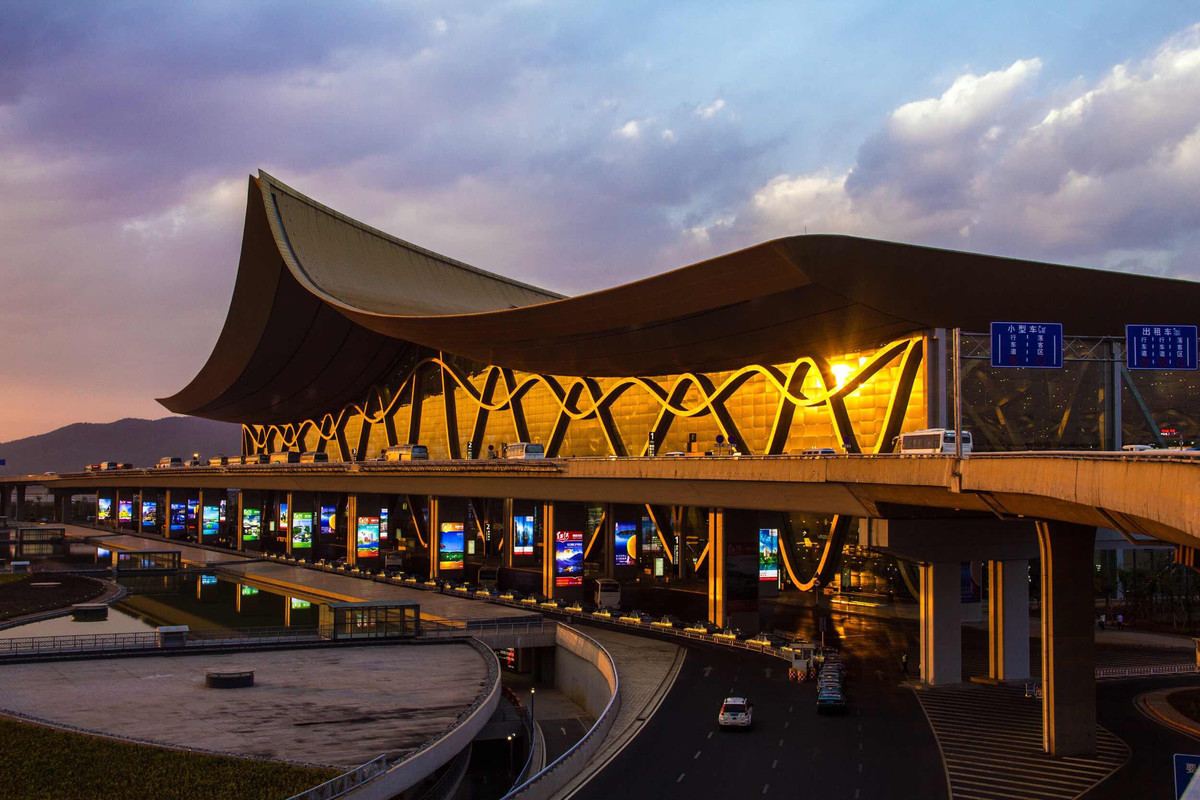
I pulled up to the Kunming airport arrivals pick-up bay last October, the Yunnan sun bleaching the tarmac pale yellow, and watched my mate Dave roll out of the doors in his custom lightweight chair. We’d planned this trip for six months, and the first thing we sorted was Kunming airport car rental for foreigners, since we knew public transport on the plateau wouldn’t give us the flexibility to stop whenever Dave needed a break without faffing with pre-booked accessible transfers. Yunnan self-drive rental for foreigners has one bottleneck, and this is it.
I’d done this stretch three times before, but never with someone who relied on wheelchair access. The last time I drove it in a borrowed local car I’d blown a tyre 70km out of Chuxiong, and sat on the hard shoulder for two hours drinking lukewarm tea from a flask, wondering if I’d miss the sunset over Erhai Lake. That memory was fresh enough that I didn’t want to cut corners on the rental this time. That is the side of Dali Lijiang car rental for foreigners the brochures leave out.
Sorting the Rental Before You Even Land
We went for the 1.5L VW Lavida, 260 RMB a day, unlimited mileage. It’s a solid little petrol saloon, no frills, smooth on the motorway, and low enough that we could strap Dave’s chair to the roof rack without straining our backs. The rental deposit was 3000 RMB, refunded 5-7 working days after we dropped the car back once the traffic fine check went through. We didn’t even have to turn up in person to sort the China temporary driving licence, which took a weight off both our shoulders before we’d even left the UK. Everyone I know who has dealt with Yunnan self-drive rental for foreigners tripped on this.
I’ve had people ask me why they don’t just jump on a train to Dali, and rent a car when they get there. For our trip, that didn’t make sense. Yunnan self-drive rental for foreigners picked up right at the airport meant we didn’t have to haul Dave’s chair across Kunming’s city centre, or navigate three different train staff to get us and our bags on board. The one-way return fee if we dropped the car off in Lijiang later was 1500 RMB, which we kept in mind for the second half of our trip, but we stuck to returning it to Kunming this time around. The tricky part of Kunming airport car rental for foreigners is always the bit nobody explains.
Insurance is straightforward, no hidden hoops. It includes compulsory and commercial cover. Minor scratches under 1500 RMB are paid by the client, anything above that goes through insurance with the client bearing 30%. Scratches that don’t damage the primer are free, no downtime or depreciation charges for paintwork or replaced parts, and downtime is waived within 5 days for major damage. If the car breaks down for a mechanical reason, that’s covered, but towing for a client-caused fault comes out of your pocket. The 600 RMB booking deposit is non-refundable if you cancel for personal reasons, so I’d only lock that in once your flights are confirmed.
Mapping Accessible Rest Stops on the Kunming-Dali Motorway
The direct motorway west from Kunming stretches 320km, almost dead straight at first, then curving up through red soil hills dotted with wild persimmon trees that glow orange in late autumn. I’d never paid much attention to the rest stops before, just pulled in for a quick coffee or a stretch of the legs, but this time we were checking every single one for ramps, wide toilet cubicles, and flat, unobstructed paths between the car park and the facilities.
We set off at 9am, the air crisp and smelling of pine from the nearby hills. Dave had marked a rough line on his phone map of where we thought the accessible stops might be, but we soon realised a lot of the newer rest stops have been updated in the last two years, and none of the online maps had the details right.
The first one, 42km out of the airport, was a total dud. The car park had a 12cm curb right at the entrance to the amenities block, no ramp in sight, and the only accessible toilet was locked behind a staff key that no one on duty could find. We didn’t hang around.
We kept going. 78km in, we pulled into a small, unmarked rest stop that didn’t even have a proper sign on the motorway exit. The car park was tarmacked flat all the way to the amenities, there was a gentle, wide ramp leading up to the main door, and the accessible toilet was clean, with grab bars on both sides, and enough space to turn a full-sized wheelchair 360 degrees without bumping into anything. Dave rolled over to the small picnic bench outside, and we sat there eating tinned lychees we’d bought at the airport convenience store, watching local farmers carry baskets of wild mushrooms past on their way to the market in the nearest town.
That’s the thing no one tells you. The best accessible stops aren’t the big, shiny branded ones with chain restaurants and neon signs. They’re the smaller, newer ones, built in the last three years, that no foreign travel blog has written about yet. We stopped at three more on the way: one 152km out, just past the Chuxiong turn-off, that had a whole accessible picnic area overlooking a terraced rice valley, one 217km in, with a ramp leading all the way to the small convenience store counter so you don’t have to ask staff to bring your drinks out to you, and the final one 289km from Kunming, 30 minutes outside Dali, where there’s even a flat, paved path leading 50 metres out to a viewing platform where you can see the first glint of Erhai Lake through the mist.
We passed a group of travellers in a Tank 300 2.0T, the big boxy offroader that’s 400 RMB a day with a 5000 RMB rental deposit and a 300km per day limit, parked at the viewing platform. They waved, and one of them came over to ask where we’d found the accessible stops, because they’d been pulling in at every big rest stop and finding the ramps were either blocked by parked trucks or so steep you couldn’t push a chair up them without help. We scribbled the kilometre markers down on a scrap of paper and handed it over.
What We Got Wrong, And What We’d Do Differently Next Time
I made a stupid mistake 120km in. I saw a big, busy rest stop with a huge neon sign for a coffee shop, and assumed it would be accessible. I pulled in, parked in the only marked disabled bay, and realised the path to the toilet was blocked by three stacked pallets of bottled water, and there was no way around them. Dave laughed, and said he’d rather wait the extra 30 minutes to the next good stop than argue with the staff to move them. I was annoyed at myself for not checking first, for assuming bigger meant better.
We stopped for lunch at the 152km rest stop, and the lady running the small noodle stall there noticed Dave’s chair, and came over to pull out a low, wide wooden table right by the ramp, so he didn’t have to squeeze in between the other tables. The noodles were 12 RMB a bowl, spicy pork, with fresh coriander on top, and we sat there for an hour watching the rain roll in over the hills. It was the best meal we had the whole trip.
If you’re planning on carrying on past Dali, Dali Lijiang car rental for foreigners can be arranged to pick up from the city office, no need to double back to Kunming, which cuts out a whole 4 hour drive if you want to head north up to Lijiang and the old town. We didn’t have time to do that this trip, but we’re already planning our return next spring, when the cherry blossoms are out around Erhai.
One thing I will say: don’t rush this drive. Most people try to do it in three hours flat, to get to Dali in time for dinner, but if you’re stopping at the good accessible rest stops, taking your time, you can stretch it out to five or six, and that’s where you see the bits of Yunnan the bus tours never reach. I drove past a group of kids flying kites in a field right off the motorway once, and we pulled over for 20 minutes to watch them, their kites bright red and blue against the blue of the plateau sky.
The sun was just dipping below the Cangshan mountains when we rolled into Dali, the light turning the stone walls of the old town soft gold. Dave rolled along the waterfront by Erhai, the wind tangling his hair, and said it was the first long road trip he’d done in China where he hadn’t had to ask a stranger to lift his chair up a curb, or wait an hour for someone to unlock a toilet door.
That’s the point of sorting your rental properly at the airport, of mapping out the stops before you set off. You don’t have to bend your trip to fit other people’s schedules. You get to go at your own pace, stop where you want, no fuss. No one’s rushing you.