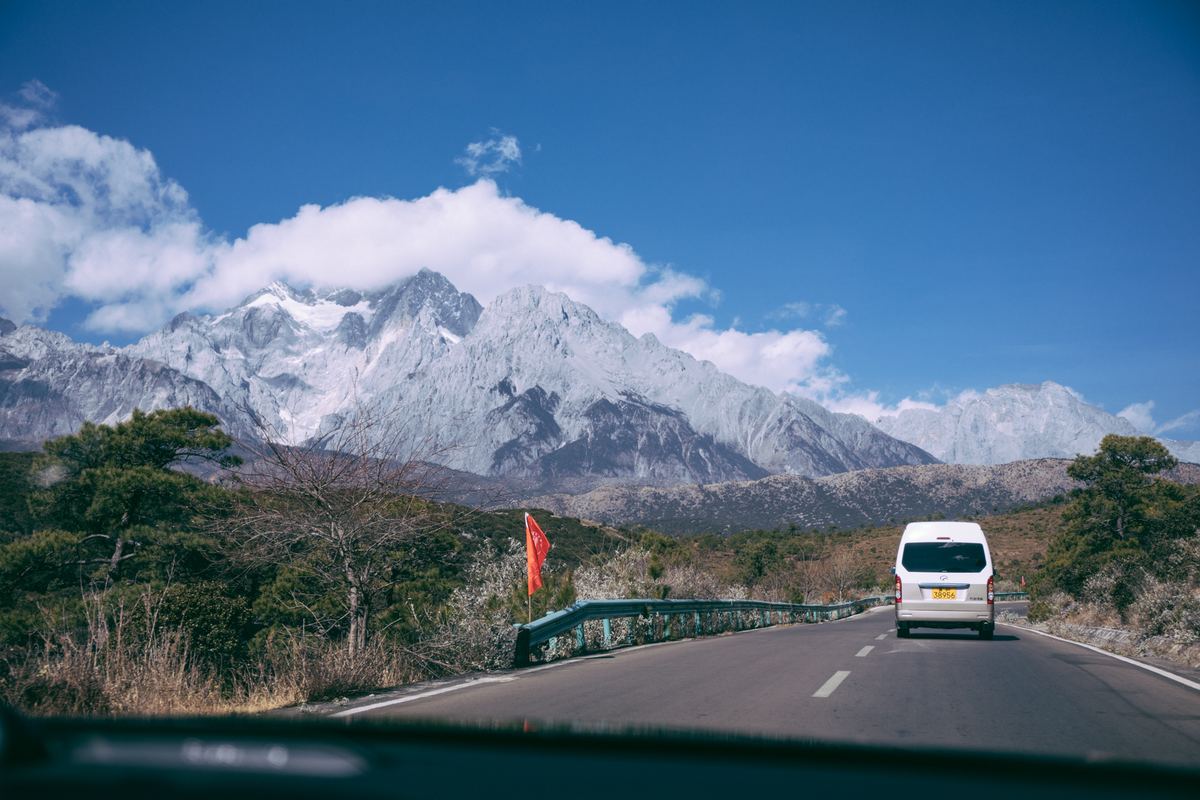
A worry that comes up a lot before a Yunnan trip is the idea of road checkpoints. People have seen films or heard stories and imagine tense, arbitrary stops, and they want to know what actually happens if they are waved over. In ordinary Yunnan travel, checkpoints are routine and largely unremarkable: officers verify who is in the car and that the paperwork is in order, and most visitors are through within a few minutes. Knowing what to expect and, crucially, carrying the right documents turns a checkpoint from a worry into a simple pause. Let me explain how it works for someone in a Yunnan rental car.
Why there are checkpoints in Yunnan
Yunnan shares borders with several neighbouring countries and contains large mountain and border regions, so the authorities run checkpoints to manage traffic, check identity documents and keep an eye on routes near sensitive areas. You will encounter them on some national roads, at entry points to particular districts, and occasionally as temporary stops for routine checks. They are not aimed at tourists specifically; local cars go through the same process. The purpose is ordinary verification rather than anything dramatic, and a driver who is legal and cooperative has nothing to fear from the stop itself.
What officers usually check
The common things are identity and driving paperwork. You may be asked to show your passport, the Chinese temporary driving permit that lets you legally drive, and the car's rental documents. Sometimes the vehicle's registration and insurance papers are checked, and the officers may glance at the number of people in the car or ask where you are heading. On certain routes there can be a quick look in the boot, which is routine. This is all standard procedure applied to everyone, not a sign that you have done something wrong; answer plainly and hand over what is asked rather than volunteering a long explanation.
The documents to keep on you
This is the key part. Carry your passport, the temporary driving permit, and a copy or digital record of the rental agreement, keeping them together somewhere you can reach without emptying the whole car. Remember that China does not recognise the international driving permit, so an IDP alone will not satisfy a check; the IDP notes explain why, and the proper Chinese permit is the document that matters. We arrange that permit for you and make sure the rental paperwork is in order, and the temporary permit guide sets out the process. A phone photo of the documents as a backup is sensible, though the paper originals should be carried.
How a stop typically goes
You will see signs and cones slowing the traffic, and an officer will direct you into a lane or wave you to a stop. Wind the window down, switch on the interior light if it is dark, and greet the officer politely. Hand over the documents when asked, keep your seatbelt on unless told otherwise, and avoid getting out of the car unless requested. If everything is in order, the papers come back and you are waved on. Keep your answers short and calm, and do not argue or film the officers; a routine stop is genuinely routine, and patience keeps it that way.
Near borders and sensitive areas
A few border and restricted zones have tighter controls, and some areas are simply not open to foreign visitors without the right permits. We plan your route around those restrictions so you do not accidentally end up somewhere you cannot legally go, and the rental requirements guide covers the broader rules. If a checkpoint on a border route asks more detailed questions about your itinerary, answer honestly and show your booking details; having a planned route and a known return point makes these stops straightforward. Never attempt to enter a restricted area by a side road to avoid a check, which creates real legal trouble.
If there is a language gap
Most officers in tourist regions are used to foreign visitors and know the relevant documents, but English is not always spoken. A calm, polite manner and the correct paperwork do most of the communicating, and a translation app can help with a simple question. Keep our contact details to hand, because we can explain anything over the phone if there is genuine confusion, and we are used to supporting clients through these checks. It helps to have a phone with a working local number or data; the practical arrangements for that are covered in the connectivity guides, and a little preparation removes the language worry.
Staying calm and legal
My overall advice is simple: treat a checkpoint as a normal part of the journey, keep the required documents within reach, and cooperate without fuss. Drive legally between the stops, respect the restricted zones and any closures, and if there were ever an incident rather than a routine check, the accident process guide sets out the steps. For day-to-day costs and payments, including any fines, the mobile payment guide is useful. If you are stopped several times on the same route, which can happen on a border-bound road, simply go through the same calm routine each time rather than showing frustration; the checks are independent and the officers are doing their job. Keeping the documents in a single folder means you can hand them over without rummaging, and that small bit of organisation keeps every stop short. With the right papers and a calm approach, the checkpoints you meet in Yunnan will be brief, forgettable pauses rather than the ordeal people sometimes fear.
Zara
Yunnan Province International Travel Agency (Group) Co., Ltd.
WeChat/WhatsApp: +86 13759155671
WeChat handle: qxzj7557
Email: [email protected]