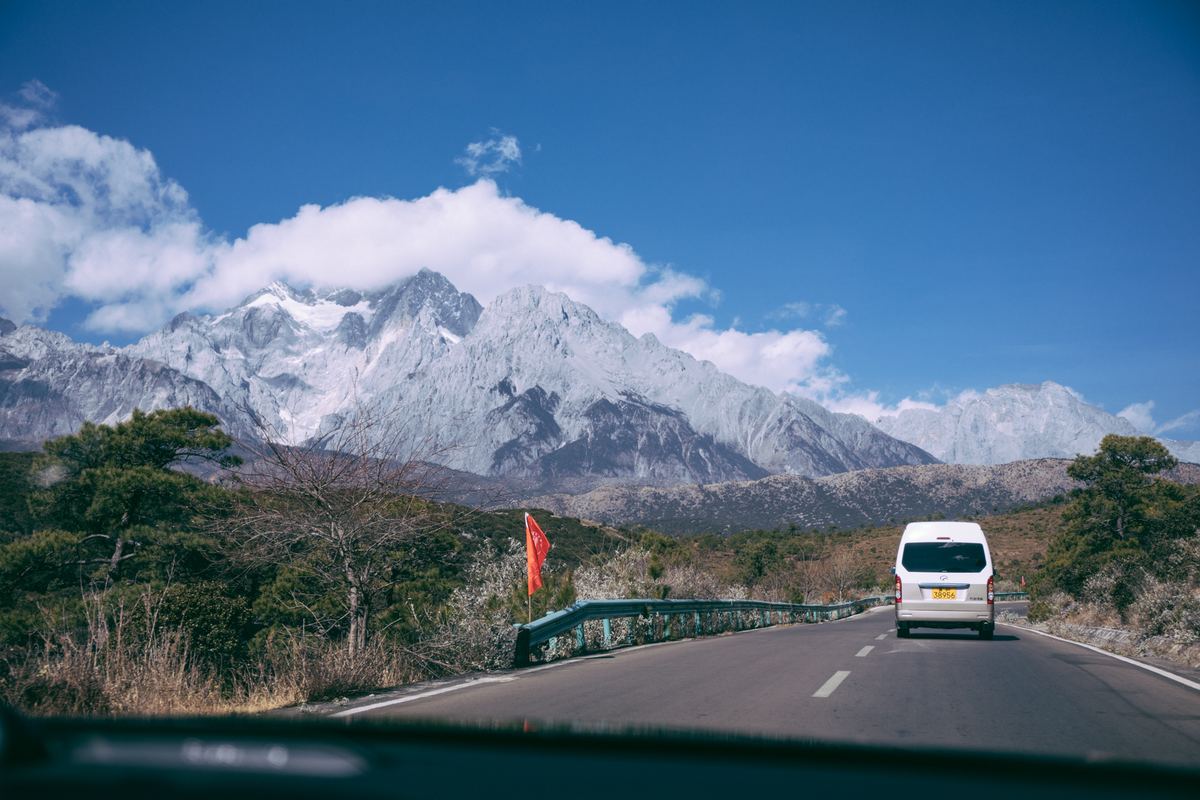
Yunnan Self-Drive Rental For Foreigners: Quiet Backroads From Dali West Shore To Undervisited Tea Valleys
Last April, I was camped out on a stone terrace above Dali’s west shore, sipping rough shan tea a Bai grandmother had pressed on me, watching the sun gild the top of Cangshan’s snow line, when I realised I’d been doing this all wrong. For years I’d hopped the tourist buses between Xizhou and Zhoucheng, or flagged down electric three-wheelers to get to the hidden villages, but the real stuff – the tea valleys tucked 40 minutes past the last sign for a guesthouse, the cobblestone lanes where no tour group ever turns up – was all strung along narrow, tarmacked backroads no public transport touches. That’s when I stopped messing about with ride shares and sorted out a proper self-drive set up, and I’ve run this exact 3-day route half a dozen times since. Kunming airport car rental for foreigners has one bottleneck, and this is it.
Getting Set Up Before You Hit The Tarmac
I pulled up to Kunming airport arrivals at 9am last spring, still crumpled from my overnight flight, and walked 50 metres to the pickup desk to sort my keys. I’d booked a VW Lavida 1.5L, perfect for these quiet backroads, at 260 per day, with a 3000 rental deposit and unlimited mileage. No faff, no waiting around. If you’re not flying straight into Kunming, Dali Lijiang car rental for foreigners options work just as well, with pickup available at either city’s airport or central office, no detours required. The China temporary driving licence can be arranged for 1500 without you even needing to attend in person, which takes all the usual admin hassle out of the equation. That is the side of Kunming airport car rental for foreigners the brochures leave out.
Don’t waste time trying to sort anything else out before you land. I’ve seen people show up with all sorts of useless paperwork, convinced they can cut corners, and it’s never worth the stress. The insurance includes compulsory and commercial cover, which takes a weight off your mind before you even turn the key. Minor scratches under 1500 are paid by you, anything above 1500 goes through insurance with you bearing 30%, and scratches that don’t damage the primer are completely free. No downtime or depreciation charges for paintwork or replaced parts, either, which I learned first hand when I scraped a mudguard on a loose rock halfway up a valley track last trip. The whole thing was sorted in 10 minutes at the return desk, no awkward arguments.
The rental deposit gets refunded 5-7 working days after you drop the car back, once the traffic fine check is complete, and the 600 booking deposit is non-refundable if you cancel for personal reasons. I usually tell people to leave the Tank 300 2.0T for trips up to Shangri-La, unless you really want the extra boot space for camping gear – it’s 400 per day, 5000 rental deposit, and has a 300km per day limit, which you won’t even come close to burning through on this route. There’s a one-way return fee of 1500 if you want to drop the car off in Lijiang at the end, rather than looping back to Dali, which is a nice option if you’ve got a train or bus booked further north.
The Route: Dali West Shore Backroads
Leave your Dali guesthouse before 9am, before the day trippers from the old town flood the west shore. The first stretch is the quiet lane that cuts inland from Xizhou, past the old rice barns with their grey tiled roofs, instead of the busy main road that runs along Erhai lake. I rolled the windows down on my Lavida that first morning, and the air smelled of wet earth and jasmine from the small gardens tucked between farmhouses. You’ll pass a tiny village where the Bai women still dye indigo cloth in big stone vats by the side of the road, no entrance fee, no signs, just a group of grandmothers laughing as they hang the damp fabric over bamboo poles to dry.
Don’t rush this bit. I stopped for an hour once to help a old man fix a puncture on his tractor, and he gave me a bag of freshly picked walnuts that I ate for the rest of the drive. The road climbs gently up the lower slopes of Cangshan, past small temples half hidden in pine trees, until you hit a pass where you can look right out over the whole of Erhai lake, the water a pale silver in the midday sun. There’s no viewpoint car park here, no ice cream stalls, just a small patch of gravel you can pull the car over on, and sit on a stone wall for as long as you like.
The Undervisited Tea Valleys
After the pass, the road winds down into a valley I’d never even heard of before a local farmer mentioned it to me in a Xizhou tea shop. The terraces aren’t the big, commercial tea plantations you see in the tourist brochures – these are small, family-run farms, tucked between oak trees and wild azaleas, where the farmers still pick the leaves by hand in early spring. I pulled up outside a small brick farm house last April, and the owner waved me in before I even had a chance to get out of the car. He sat me down at a rough wooden table on his porch, poured me three cups of raw pu’er he’d processed himself the week before, and didn’t ask for a single penny for an hour.
This is the bit that makes Yunnan self-drive rental for foreigners so much better than any organised tour. You don’t have a guide herding you back to the bus at 2pm, you can stay as long as you like, help them pick a few baskets of tea leaves if they’re short handed, eat a lunch of stir fried wild mushrooms and steamed rice with their family for 20, and leave whenever you feel like it. I’ve been back to that farm three times now, and they always save me a jar of their home made honey when I turn up.
The road through the valley is narrow, and there are a few stretches where you’ll have to pull in to let a farm truck pass, but the Lavida handles it no problem at all. You won’t see more than three or four other cars the whole afternoon. There are no big signs, no tourist markers, just small dirt tracks that lead off to even smaller farmsteads, if you feel like exploring further. Last trip I followed one of those tracks for 2km, and found a small natural spring where local people came to fill up big plastic bottles of drinking water, and the water was so cold it made my teeth ache when I drank it straight from the source.
Handy Practical Bits I Wish Someone Had Told Me First
Navigation is straightforward, but download your maps before you leave Dali old town, because there are a couple of small stretches in the tea valley where signal drops out entirely. Parking is never an issue on this route – every village has a small patch of flat ground by the main lane you can pull onto, no meters, no attendants, no fees. I always keep a big bottle of water and a pack of biscuits in the footwell, just in case you stop somewhere and lose track of time, and the nearest shop is 15 minutes drive away.
If the vehicle breaks down for a mechanical reason, that’s all covered, but towing for a client-caused reason is at your own expense – so take it slow on the loose gravel bits, don’t go veering off the tarmac onto unmarked tracks unless you’re sure it’s solid. I did that once, last summer, and got the front wheels stuck in soft mud for 40 minutes, before a group of passing farmers helped me push it out. Total unnecessary hassle, and I still tease myself about it now. Dali Lijiang car rental for foreigners packages will walk you through a full pickup and return checklist before you take the keys, so go through every point carefully, don’t just sign the form and jump in the car.
Yunnan self-drive rental for foreigners opens up bits of this province you’d never reach any other way. You don’t have to stick to the main tourist loop between Dali, Lijiang and Shangri-La, you can take these quiet backroads, meet people who don’t see many overseas visitors, drink tea that never makes it to export markets, and set your own pace entirely. I still drive this route at least once every spring, when the tea leaves are new and the Cangshan foothills are covered in wild flowers, and I never get bored of it. No two trips are ever the same.