Route overview
Pick up in Hefei, head north to the Ming Imperial Tombs in Fengyang, then east to Chuzhou for Langya Mountain and the Zuiweng Pavilion, before moving to Tianzhu Mountain near Qianshan, Anqing on day two and returning to Hefei on day three. Around 730 km across plain motorway and hill roads, with literary relics and mountain scenery in alternation, suited to travellers on a Rental Car for Foreigners in China who enjoy Song-dynasty writing and hill walking.
Highlights
- Langya Mountain and the Zuiweng Pavilion Song garden
- Stone statues at the Fengyang Ming Imperial Tombs
- Tianzhu Mountain peaks, Sanzu Temple and valley springs
- A central Anhui loop built for a Rental Car for Foreigners in China
Suggested itinerary
- Day 1D1 Hefei, Ming Imperial Tombs in Fengyang, Langya Mountain in Chuzhou — 270 km
- Day 2D2 Chuzhou, Sanzu Temple, Shangu Spring Valley, Tianzhu Mountain — 280 km
- Day 3D3 Tianzhu morning view, Wan River ford, back to Hefei — 180 km
Day by day
Day 1 Hefei north to Fengyang, Langya Mountain in Chuzhou by afternoon
About 270 km today
Zuiweng Pavilion
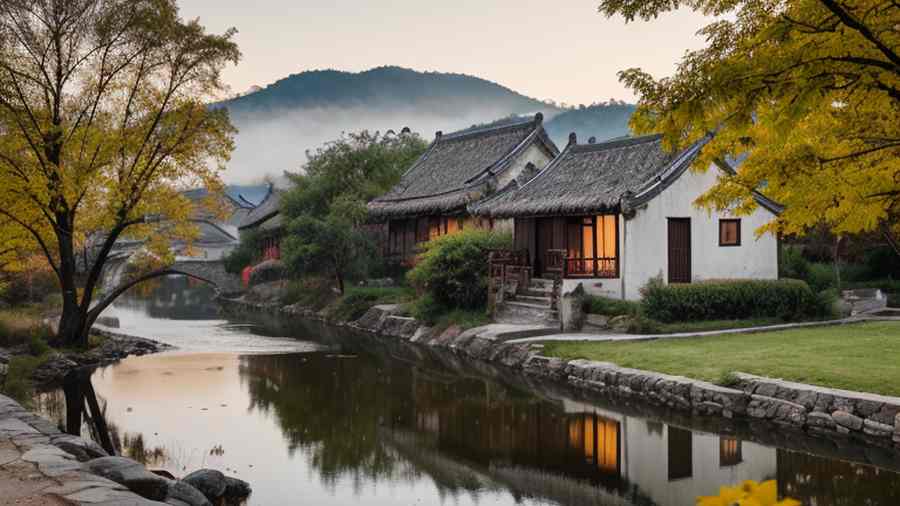
Zuiweng Pavilion sits among woods and springs on Langya Mountain's hillside in Chuzhou, famous for Ouyang Xiu's Northern Song essay; the name comes from the line about the old man's mind not being on wine. The repaired courtyard centres on the main pavilion, with Yiran Pavilion, Erxian Hall and Baosong Studio around it, old trees and a stream beside the hall. Look at plaques and inscriptions, the old plum tree and spring, and the wooded ravines of the essay. Enter from the gate on a stone path toward Langya Temple, then loop back to the pavilion court, about an hour and a half. Park at the gate lot and walk in. The path has gentle slopes and steps, moderate work with rest stops; visitors on a Rental Car for Foreigners in China loop will find signs clear.
Langya Mountain
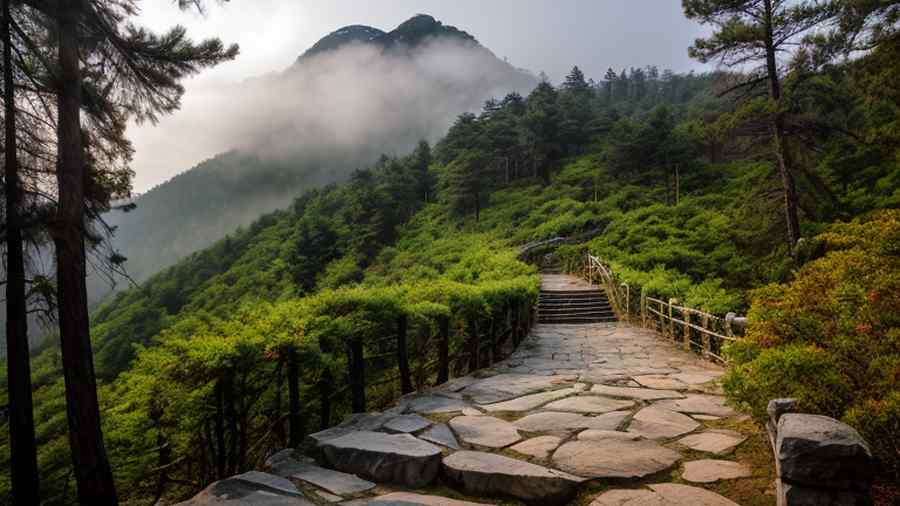
Langya Mountain lies southwest of Chuzhou, a spur of the Huaiyang range, mixed evergreen and deciduous woods with Langya Temple, the South Heaven Gate and spring pavilions along the trails; a well-known hill destination in eastern Anhui. The elevation is modest; paths climb beside a stream through dense shade, maples and ginkgoes turning colour in autumn. Look at the wooded ravines, temple courtyards and the plain view from the top. Follow the main trail from the gate to Langya Temple; climb to the South Heaven Gate if fit, or rest at the tea pavilion otherwise. Park at the gate lot and walk in. Steps are numerous but gentle, two to three hours in grip shoes; stairs are slippery after rain. Drink shops cluster by the temple, carry a bottle.
Ming Imperial Tombs, Fengyang
The Ming Imperial Tombs lie south of Fengyang county town, burial place of the founding Ming emperor's parents. A spirit way leads to the mound, lined in pairs with stone beasts, officials and pillars; the sculptural scale represents early Ming tomb carving. Halls mostly do not survive, but the way and statues remain fairly complete among farmland and tree belts. Study the statues' forms and weathering, reading labels for early Ming layout. Walk from the entrance along the way to the mound, mostly level, about an hour there and back. Parking sits before the tomb with ample bays. The path is flat with few steps, easy for older visitors and children. The site is open and unshaded, protect from sun in summer; do not climb the statues. Fengyang was the emperor's home county.
- Where to eat
- Lunch in Fengyang county town on northern Anhui home cooking: flatbread, cold skin noodles and braised dishes; dinner in Chuzhou on local stir-fries and chrysanthemum tea. Visitors on a Rental Car for Foreigners in China trip should eat and rest in town before continuing.
- Roads and driving
- Motorway north from Hefei to Fengyang, just over two hours; from Fengyang a provincial road and motorway to Chuzhou, hill traffic building after midday. The tombs sit south of the county seat, easy to stop at.
- Where to stay
- Stay in Chuzhou town or below Langya Mountain, close to the trailhead for day two.
Tips for the day
- The stone statues stand in the open; morning or late afternoon light is easier on the eyes
- Langya parking is outside the gate, with entry queues on holidays
- Evenings are cool in Chuzhou; pack a light layer for the hill stay
Day 2 Chuzhou to Qianshan, Sanzu Temple and valley springs
About 280 km today
Sanzu Temple
Sanzu Temple stands at the valley mouth below Tianzhu Mountain in Qianshan, a Zen monastery associated with the Third Patriarch Sengcan, repaired across dynasties. Its halls climb the slope in layers, with a stream and an old bridge before the gate. Buildings follow the hillside: gate, hall, main shrine and pagoda court rise in sequence, old cypresses and stone inscriptions among the courtyards. Look at the layout, the pagoda court and cliff carvings, and the wooded setting. Enter along the central axis to the pagoda court, then take the side path to the rock inscriptions, about an hour. The lot before the temple is small; in peak season park outside and walk in. Steps are numerous but not steep, manageable at a slow pace; less mobile visitors can stay in the front court.
Shangu Liúquán Cliff Inscriptions
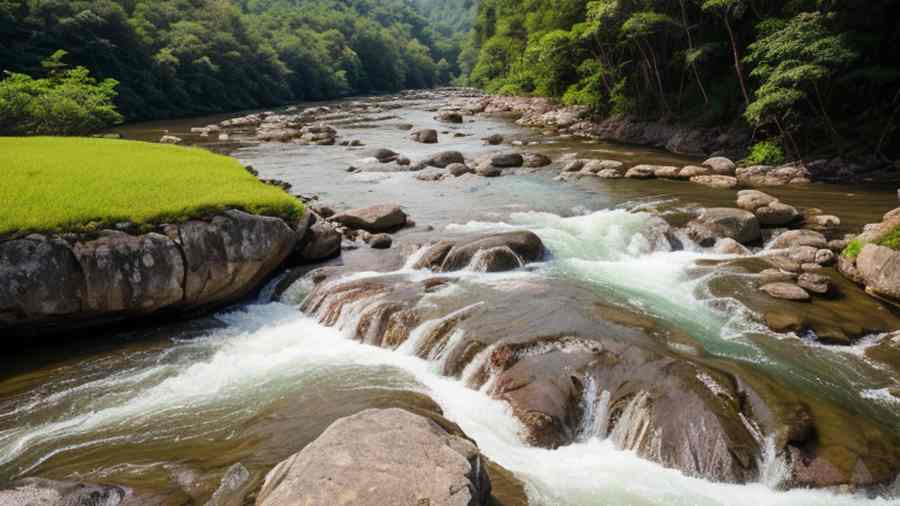
Shangu Liúquán, the valley stream beside Sanzu Temple, takes its name from Song literati including Huang Tingjian who visited and carved inscriptions. Cliff walls on both banks carry rock carvings across many dynasties, their scripts and subjects varied. Springs rise among the stones, water runs round boulders, and the path follows the stream. Read the cliff inscriptions against the labels for their periods, and enjoy the boulders and shade. Enter from beside the temple, walk the stream path for a stretch, about forty minutes there and back. Park at the temple lot and walk to the valley mouth. The trail is level but bank stones are wet, so grip-soled shoes; do not climb on or rub the carvings. The valley stays cool, a pleasant summer stop.
Tianzhu Mountain
Tianzhu Mountain rises in Qianshan, an eastern spur of the Dabie range, its granite peaks and odd boulders known since antiquity among China's famous mountains. Pines and cloud waterfalls fill the gaps between crags. A cable car and trails serve the upper slopes, where the views open over linked peaks on clear days; after rain, sea-of-clouds scenes are common. Look at the odd peaks, twisted pines and the summit outlook. Take the site shuttle from the gate to the cable-car station, ride up, then walk the viewing loop; average walkers can keep to the level sections. Park at the main gate lot, ample bays. Upper trails have many up-and-down steps, moderate to demanding; carry water and a jacket. Weather shifts fast, check the day's open sections at the gate.
- Where to eat
- Lunch at a town south of Hefei or toward Tongcheng; dinner in Qianshan county town on western Anhui dishes, kudzu starch and mountain bamboo shoots.
- Roads and driving
- From Chuzhou to Qianshan by motorway toward Hefei and Anqing, three to four hours; the last stretch rolls along the eastern Dabie foothills. This is a common long transfer day on a Rental Car for Foreigners in China central Anhui loop; rest once at a service area.
- Where to stay
- Stay in Qianshan town or by the Tianzhu Mountain gate, close to the morning climb on day three.
Tips for the day
- The transfer leg is long; fill the tank before leaving
- Sanzu parking is the open ground before the temple; in peak season park outside and walk in
- The valley path runs along the stream; bank stones are wet, wear grip shoes
Day 3 Tianzhu morning view, Wan River ford, back to Hefei
About 180 km today
Wan River Old Ford
The Wan River old ford lies on the bank below Qianshan, where a crossing once carried traffic between shores. The river spreads across the plain, shallows and old trees along the bank; ferries are now few, leaving embankments, old wharf steps and village hamlets. There is no ticket, a calm stretch to walk before leaving the hills, watching the bend, farm fields and farmhouses. It sits off the county road toward Hefei; follow the navigation to the old wharf. Park on the open bank, ample space. The embankment path is level with few steps, a half-hour walk; bank soil is soft after rain, stay back from the water. The river wind is strong, bring a layer. The pace differs from the mountain and makes a gentle transition between hills and city.
- Where to eat
- Morning congee and pastries at the inn below the mountain before setting out; lunch at a town toward Tongcheng or south Hefei, dinner back in Hefei.
- Roads and driving
- Morning mist over the slopes before joining the motorway back; traffic on the He-An expressway is steady, keep a safe gap after midday.
- Where to stay
- No overnight stay is arranged; if you want an extra night, stay in Hefei city for an easy departure next day.
Tips for the day
- Mountain mornings are cold; put on a jacket before photos
- Fuel up before the return motorway leg to avoid station queues
- The ford bank is muddy; do not walk down to the water
Pages that help on this route
- Rental packages and what is included
- Temporary driving permit in China
- All routes by province
- A car that suits this route: Volkswagen Tiguan L (Mid-size SUV)
Costs to expect
Included: vehicle use, basic insurance, pick-up and drop-off. Not included: tickets, meals, hotels, fuel and tolls.
Driving tips
- Show passport and temporary driving permit at pick-up, carry them throughout
- Hill mists linger at dawn and dusk in spring and autumn; light up and slow before bends
- Take the mountain shuttle on Tianzhu; pack clothing for the summit weather
- This central Anhui loop suits a three-day Rental Car for Foreigners in China trip; towns have fuel stations