Route overview
A rental car for foreigners makes this straightforward: Pick the car up in the city, head northeast to Miyun first: Wuling mountain for the high forest, then Gubei water town under Simatai wall for the night. Day three moves across to Yanqing with Chadao, Longqing gorge and the Guya cliff rooms on the way. Day four climbs Badaling in the morning and comes back through Juyongguan. Expressway most of the way, but the mountain county roads are slow and the Miyun to Yanqing leg needs a full afternoon.
Highlights
- Wuling mountain
- Gubei water town
- Chadao old town
- Longqing gorge
- Guya cliff rooms
- Badaling wall
- Juyongguan pass
Suggested itinerary
- Day 1D1 City to Miyun, about 130 km (Wuling mountain, Gubei water town)
- Day 2D2 Gubei to Yanqing Badaling, about 80 km (Chadao, Longqing gorge, Guya)
- Day 3D3 Badaling in place, 0 km (Badaling wall, Juyongguan)
- Day 4D4 Badaling back to the city, about 70 km (Guanshu valley)
Day by day
Day 1 City to Miyun, Wuling mountain and Gubei
About 130 km: 90 km to the Wuling gate, then 40 km to Gubei
Wuling mountain
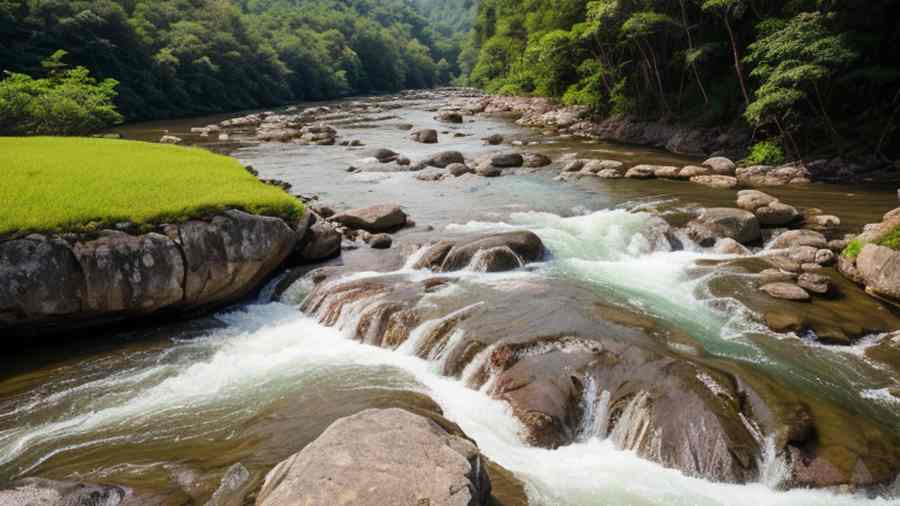
Wuling is the main peak of the Yanshan range in the northeast corner of Miyun, over 2,100 metres, a national nature reserve and one of the few high forests inside Beijing. The road from the gate climbs hard and fast; even in July the top runs seven or eight degrees cooler than the city, so take a long-sleeve layer. The reserve is split into zones: forest and cloud sea around the lodge, granite pinnacles towards Xianrenta, and a full circuit takes most of a day. Park at the gate and take the reserve bus up. The road is narrow, passing needs care, and rockfall is common after rain.
Gubei water town
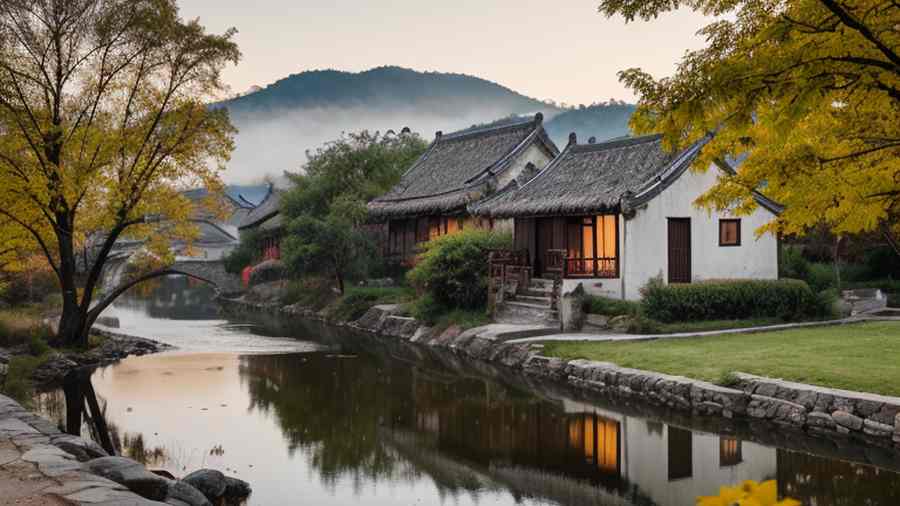
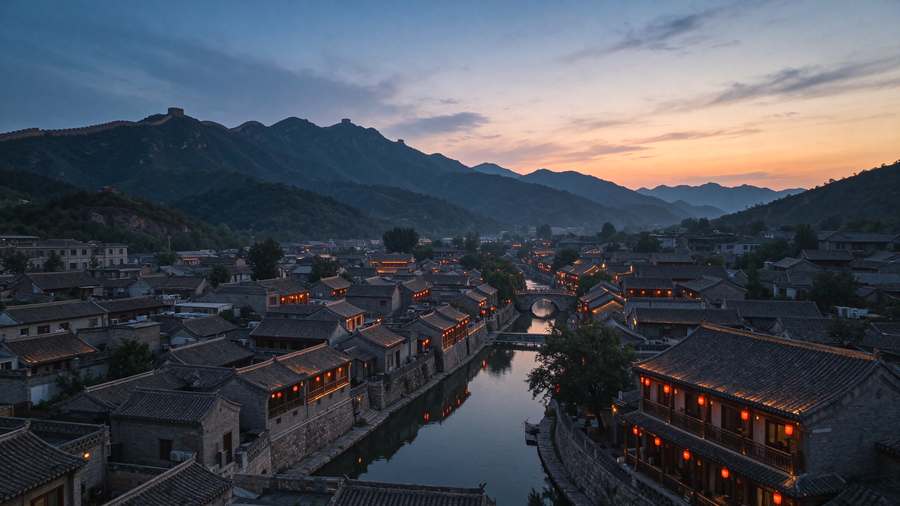
Gubei sits in the valley under Simatai wall, a rebuilt northern water town of canals, stone bridges, inns and wine shops along one street of water. By day it is architecture and the wall on the skyline; the real draw is dusk, when the lamps come on and the canals fill with reflections. There are hot springs inside the town, and most overnight guests use them. Ticket and parking are separate, and on holidays the car park is a ten minute walk from the gate. Stone paving and steps make wheeled luggage awkward.
- Where to eat
- Farm restaurants by the Miyun reservoir serve stewed reservoir fish with cornmeal flatbread. Inside Gubei prices jump: roast meat houses and noodle shops run 80 to 120 CNY a head. Cheaper is Simatai village outside the gate, free-range chicken stewed with mushrooms and fried pepper shoots.
- Roads and driving
- In a rental car for foreigners, take the Jingcheng expressway to Miyun town, then county roads into the hills. The Wuling stretch is tight, narrow and prone to rockfall, so slow down in rain. The last few kilometres into Gubei are village lanes with no lighting at night.
- Where to stay
- Inns inside Gubei start around 400 CNY and save you the night drive. Guesthouses in Simatai or Bakshiying run about 200 and are close to the gate next morning.
Tips for the day
- Mobile signal on Wuling is patchy, download offline maps
- Gubei entry and Simatai wall tickets are sold separately
- Wear flat shoes, the paving is uneven
Day 2 Gubei to Yanqing: Chadao, Longqing gorge, Guya
About 80 km: 55 km to Chadao, 15 km to the gorge, 10 km to Guya
Chadao old town
Chadao was a Ming garrison town built in the Jiajing years directly in front of Badaling, holding troops and grain ready to move up to the pass. One walled ring, an east gate and a west gate. Little original housing is left; the street is a grey brick rebuild of inns and snack stalls. Come at dusk when the day crowd has gone and stand on the wall looking north, the Badaling ridge sits right on the skyline. Half an hour covers it, no entry fee, park at the village mouth.
Longqing gorge
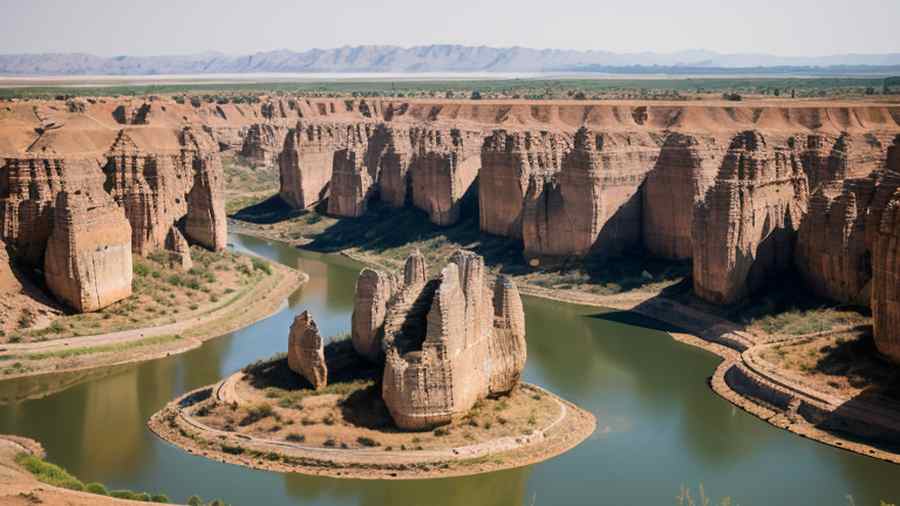
Longqingxia is the Gucheng river held back by an arch dam, opened to boats in the 1980s. Limestone cliffs stand on both sides and at the narrowest point the boat almost brushes the rock. The ride runs about forty minutes without a stop and the air down the gorge stays cool even in June. From the landing a short boardwalk leads to Baihua cave, an artificial stalactite cave, worth a glance and no more. Winter brings an ice lantern festival, the busiest weeks of the year here. Ticket and boat are separate, and without the boat there is no way in.
Guya cliff rooms
Guya Ju is a granite cliff in a side valley north of Zhangshanying, cut with more than a hundred rooms, some the size of a small house, others no wider than a bed, linked by carved steps and passages. Every opening faces south out of the wind, with drainage channels cut above the doors. Who cut them is still argued: the common reading is Xi people sheltering here between the Tang and the Five Dynasties, others say border troops. The climb takes twenty minutes on narrow steps, so wear grippy shoes.
- Where to eat
- Rainbow trout at the gorge gate, grilled or raw, priced above the city, so confirm portions first. In Yanqing town at night, fire-pot tofu: tofu, pickled cabbage and pork belly layered in one pot with cornmeal cakes.
- Roads and driving
- In a rental car for foreigners, leave Gubei on the Jingcheng expressway, join the Jingzang expressway and exit at Yanqing town. The last stretch to Guya is a single-lane country road where one car must give way. The gorge car park sits on a steep ramp below the dam, pull the handbrake hard. Many tunnels on this leg, slow down and switch the lights on.
- Where to stay
- Chadao or Badaling town keeps you close to the wall next morning. For comfort, chain hotels in Yanqing town run 300 to 500 with restaurants and shops nearby.
Tips for the day
- Buy gorge entry and boat together, entry alone gets you nowhere
- The gorge runs several degrees cooler, take a layer
- Ice lantern season runs December to February, book early
Day 3 Badaling and Juyongguan
No relocation; about 30 km return between the two passes
Badaling Great Wall
Badaling is the best known stretch of the Ming wall, built along the ridge above the pass where the road north drops into the Yanqing basin. The open section runs north and south from the central platform. The north line is steep, with the good-han slope around North Tower Eight; the south line is gentler, quieter and easier with children or older walkers. Most bricks are original Ming work, the steps vary in height and the steepest pitches come close to forty degrees, so going down costs more than going up. Cable car and toboggan are separate tickets. Entry needs a real-name booking online.
Juyongguan pass
Juyongguan fills the Guanshu valley northwest of Changping, the northernmost of the Taihang passes and Beijing front door for centuries. What stands now is the Ming rebuild: a wall climbing both ridges, watch towers along the crest, and a circuit on foot that takes a little over an hour. Give the Cloud Platform in the middle of the pass twenty minutes of its own: a Yuan stone base with six scripts cut into the arch tunnel, still legible with a torch. Park below the pass; before ten in high season there is usually space. The wind on the wall is strong even in summer.
- Where to eat
- Farm restaurants in Badaling town do chicken stewed with mushrooms and pan-fried eggs; or back in Yanqing town, oat noodles with lamb broth at about twenty CNY a head.
- Roads and driving
- The scenic road queues from eight in the morning, so aim to arrive before half seven. Badaling to Juyongguan is fifteen minutes on the expressway; the Guanshu stretch carries heavy trucks, keep your distance. Skip the four o-clock city-bound peak.
- Where to stay
- Stay on in Badaling town or Yanqing town rather than moving hotels again.
Tips for the day
- No shade on the wall: hat and sunscreen in summer, gloves in winter
- Keep the parking and shuttle tickets, they are checked on the way out
- The south line is quieter and photographs better
Day 4 The old Guanshu valley road home
About 70 km, downhill all the way to the city
Guanshu valley
Guanshu is the old valley road between Badaling and Nankou, twenty kilometres of the route that carried merchants and post horses into Beijing for centuries. A few traces remain at the roadside: the carved rock at Tanqin gorge, the stone niche of Wulang, the cliff figure of Liulang. The expressway runs along the valley floor while the old road sits above it, narrow, with the occasional truck taking the shortcut. Wild peach blossom opens here half a month before the city. Worth the detour if you have time, but passing needs care on blind bends.
- Where to eat
- A bowl of knife-cut noodles in Nankou, or hotpot in Changping town to close the trip.
- Roads and driving
- The old valley road is narrow with blind bends, keep it slow; if time is short, use the expressway. City-bound traffic is light in the morning and heavy after three.
- Where to stay
- Back to the city today, no overnight stop. If you want one more night, Changping town works and puts the Ming tombs on tomorrow's route.
Tips for the day
- Allow two hours on the old valley road
- Peach blossom season is short, check the weather
- Fill up before the fifth ring, city stations queue
Costs to expect
Everything is settled as you go: fuel, tolls, parking and tickets are paid on the spot, and the rental car for foreigners is booked separately. Nothing in this guide is a package price.
Driving tips
- Book Badaling and Juyongguan online with passport details before you leave the city
- Mountain mornings are cold even in July, take a layer
- The Guanshu valley stretch of the expressway carries heavy trucks, avoid it after dark
- Fill up in Miyun town; there is no reliable station between Gubei and Yanqing