Route overview
Five days across southern Guizhou for karst forest, gorge water and Miao and Dong villages, skirting sites already covered elsewhere. Bends, tunnels and mist ask for slower speed, so this Rental Car for Foreigners in China route rewrites every day against real road time and thin passing places on village lanes.
Highlights
- Rental Car for Foreigners in China: maolan protects a primeval cone karst forest
- Below Daqikong you wade and walk plank paths
- Depui villages still line the old post road
- Rongjiang Miao houses and paddies read as one line
Suggested itinerary
- Day 1Guiyang to Libo, about 270 km
- Day 2Into Maolan forest, about 60 km
- Day 3North to the Duhou post road, about 160 km
- Day 4On to Rongjiang Miao valleys, about 140 km
- Day 5Home to Guiyang, about 150 km
Day by day
Guiyang to Libo
About 270 km, 4h
Daqikong Gorge Waterway
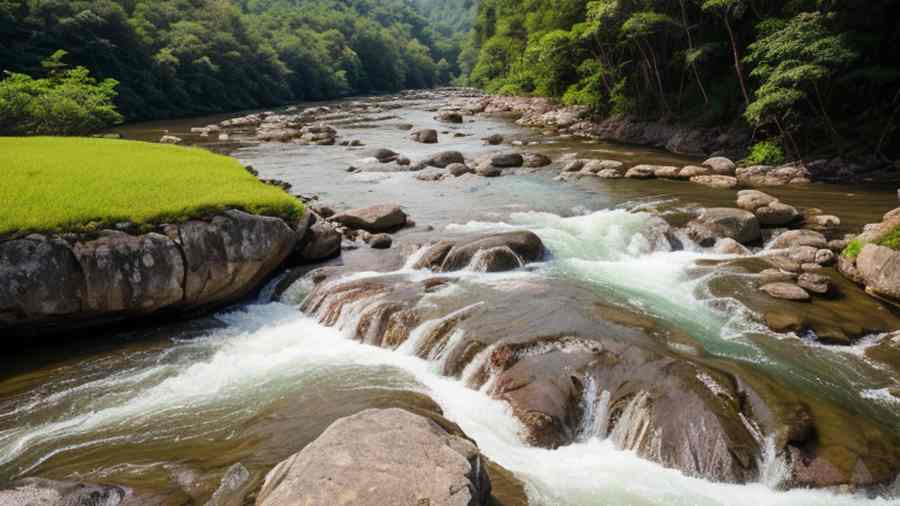
Daqikong runs through a karst gorge south west of Libo, named for the old seven arch bridge downstream. Vertical walls close the river, the water grades from pale to deep green, and a natural stone bridge spans the end above fast current. You enter by boat, then take plank paths and boulder sections that sometimes mean wading, cold in summer but slick underfoot. Last entry is around three in the afternoon, and the gate lot fills early in season.
Libo Old Streets
Libo old town leans on the Zhangjiang with a few lanes keeping timber fronts and stone door frames, and at dusk locals walk the embankment. Small kitchens serve sour soup, grilled meat and rice wraps, seasoned strongly. Nights stay quiet without mall traffic, and lodging is simple inns rather than chains. Fill the tank before Maolan and trust the state pump. The run from Guiyang is easy, ending in a tunnel heavy mountain expressway.
- Where to eat
- Sour fish soup, rice wraps and roast pig by the river
- Roads and driving
- Expressway with long tunnel clusters and light shifts
- Where to stay
- Base in Libo town, the last full resupply
Tips for the day
- No gorge entry after three
- Quick dry clothes for wading
- Cash machines sit on the river street
Into Maolan Forest
About 60 km, two hours with trails
Maolan Karst Forest
Maolan, south of Libo on the Guangxi border, forms the core of a world heritage karst landscape, cone towers swaddled in primeval evergreen forest where stone and root lock together. Open trails include a two kilometre walk on wet rock and leaf litter where you steady yourself on trunks, while the Qinglong fall route takes three hours return. Humidity runs high and moss makes slabs treacherous after rain. Buyei hamlets at the edge cook over firewood. Park at the gate; inside you move on foot or by shuttle.
Dongtang Dark Sky Hamlet
Dongtang sits in a hollow outside the reserve with so little street lighting that clear nights show a dense sky, and its flat rice terraces frame the cone silhouettes by day. Timber houses serve as small guesthouses with solar hot water, so wash early. There is no ticket, no stall, and dinner is cooked by your host on request. The lane in bends hard and turns pasty in rain, but if you want one quiet Guizhou night under stars, staying beats a drive through.
- Where to eat
- Firewood rice and sour pork, arranged by your host
- Roads and driving
- County lane with tight bends and narrow cliff edges
- Where to stay
- Sleep at the forest edge or in Dongtang
Tips for the day
- Trails stay slick after rain
- Carry enough insect repellent
- Nights cool down, add a layer
North to the Old Post Road
About 160 km, 3h30
Duhou Ancient Post Road
East of Sandu, the old post road threads a valley between Miao and Shui hamlets, its stone slabs still showing hoof wear and drainage cuts. A few kilometres survive; walk one hour of it and have the car meet you at a village track. Timber houses, granaries and wells sit as they were, and threshing floors turn gold after harvest. There is no ticket and almost no traffic, though moss grows on wet stone, so grip matters. The county lane in bends a lot but rides well.
Gulu Stone Egg Cliff
In a Shui valley at Gulu, more than a hundred round stones sit embedded in a cliff face, called stone eggs, shed slowly as the rock weathers every few decades, part geology and part village lore. You view from the open ground across the paddy, climbing is not allowed. The hamlet keeps displays of Shui script and elders still write it, which explains why this small nation has its own characters. Access is a tight lane with parking at the mouth, and forty minutes covers the site, though the story deserves the time.
- Where to eat
- Fish wrapped with leeks and pickled greens, sour Miao pork in town
- Roads and driving
- Provincial road over ridges, slow village lanes
- Where to stay
- Stay in Sandu county town or Duhou
Tips for the day
- No supplies on the old road, carry water
- Children cross often, keep speed low
- Wet stone is slick, no flip flops
To the Rongjiang Miao Valleys
About 140 km, 3h
Tashi Miao Terraces
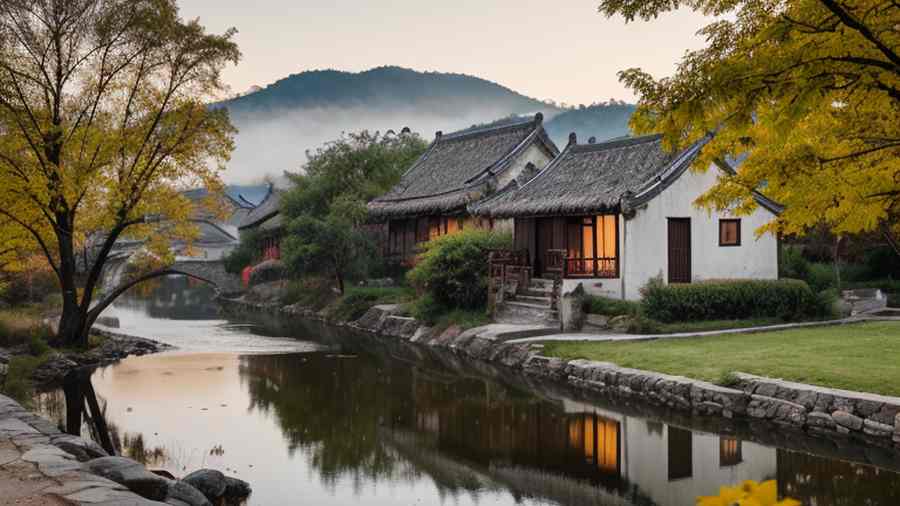
Tashi climbs the slope north of Rongjiang, stilt houses and bamboo rice racks stacked in order, and in autumn the drying frames carry golden sheaves, the most intact such scene in the prefecture. A flagstone spine runs between two village lanes with parking at the mouth; forty minutes up a footpath reaches a deck over the terraces and valley. There is no fee, but ask before photographing elders or ceremonies, and only two small kitchens cook here, so warn them in advance.
Rongjiang Old Quarter
Rongjiang town spreads along the Duliu river with an old quay, guild halls and a few intact lanes, and the riverside plaza fills with people after supper. As the trading hub of this Miao and Dong corner, its market sells fish mint, sour soup bases and bamboo work, and a small museum of costume and silver takes forty minutes. In May dragon boat and song events crowd the banks, so book early. Trucks dominate the national road in and out, so keep your distance.
- Where to eat
- Bitter beef hotpot and sour fish, strong flavours by the river
- Roads and driving
- River valley national road, narrow along the bank
- Where to stay
- Stay in Rongjiang town before the expressway home
Tips for the day
- The bitter hotpot is intense, order small
- Market peaks at six in the morning
- Joggers fill the bank after dark
Rongjiang back to Guiyang
About 150 km, 2h40
Basha Miao Village
Passing Congjiang, Basha sits on a hilltop and is known for men who still wear a long hair bun and carry a muzzle loader, treated as a living record of old Miao custom. Stone lanes climb through the village to a reed pipe ground and a few venerated trees. Tickets include performance slots, so enter with the first group for quieter light and better photos. Cars stay in the lot below and you walk twenty minutes up, then rejoin the expressway for a relaxed evening return in Guiyang.
- Where to eat
- Fragrant rice field fish and Dong oil tea, busy at noon
- Roads and driving
- Expressway home with tunnels and viaducts in sequence
- Where to stay
- Return the car in Guiyang the same day
Tips for the day
- Show times are fixed, arrive early
- Valley fog thickens at night
- Refuel to the pick-up level
Pages that help on this route
- Rental packages and what is included
- Temporary driving permit in China
- All routes by province
- All cars in the fleet
Costs to expect
Tolls, forest lodging and village meals shape the spend, some hamlets add a small clean-up fee per head, confirmed by the licensed agency.
Driving tips
- Avoid stopping under cliffs after rain
- Wait at passing bays rather than force
- Long sleeves keep insects off
- Do not drive village lanes after dark