Route overview
A three-day rental car for foreigners in China loop from Hohhot, south to Ordos for the Genghis Khan mausoleum, then north to Xilamuren grassland, about 490 km on expressways and grassland roads. Wide open views, strong crosswinds. Three stops, two nights, good for travellers who want tomb culture, a desert-edge new city and a grassland in one go. Traffic is light but fuel and food are far apart, so plan ahead. This rental car for foreigners in China route is also a gentle introduction to long-distance driving on the plateau.
Highlights
- The eight white chambers and rituals at the Genghis Khan mausoleum open a door to Mongolian culture
- Kangbashi new city rising from the desert edge, unusually wide streets, a strong contrast
- Xilamuren grassland is close to Hohhot, easy for horse riding, sunset and camp stays
- This rental car for foreigners in China route has wide, quiet roads, good for a first long drive
- Big night-time temperature drops and dark skies make good stargazing early in the lunar month
Suggested itinerary
- Day 1Day 1: Hohhot — Ordos, 330 km, Junwang mansion, Genghis Khan mausoleum, Kangbashi
- Day 2Day 2: Ordos — Xilamuren, 210 km, Honggeer obo, grassland, Puhui temple
- Day 3Day 3: Xilamuren — Hohhot, 90 km, temple then back
Day by day
Day 1: Hohhot south to Ordos
About 330 km, mostly the Baotou-Maoming expressway, 3.5 hours
Junwang Mansion
In Ejin Horo banner, this was the seat of the Junwang banner's ruling prince, first built in the Guangxu era and later rebuilt to the original layout. A Mongolian noble residence with Shanxi-Shaanxi touches, main court, side wings and family shrine, with fine brick and wood carving. Displays cover seals, robes, old photographs and the history of the seven Ordos banners. Enter at the gate, walk the axis to the main hall and loop the wings, forty minutes. Ample parking at the gate. Flat, with a few steps at the main hall.
Genghis Khan Mausoleum
At Gandar Obo in Ejin Horo, this complex was moved here in 1956 and serves as the memorial and ceremonial tomb of Genghis Khan, not the actual burial site, which remains unknown. Three yurt-shaped halls: the central memorial, flanking altar and exhibition, with the Eight White Chambers as the core symbolising eight white tents. A large spring ceremony falls on the 21st day of the third lunar month. Enter at the gate, see the chambers, the memorial hall and the Sulde altar; about 80 minutes. Big car park, ten minutes on foot to the gate. Few steps inside, gentle slopes and paving elsewhere.
Kangbashi New City
Kangbashi is Ordos' new district, begun in 2004 on the desert edge with wide streets, huge plazas and sculpture groups; once called a ghost city, now with library, museum and theatre open and more people around. The draw is urban scale: eight-lane avenues, the vast Genghis Khan plaza and fountains by the Ulan Mulun lake. Park under the library, walk the plaza and lake, best at dusk when lights come on, ninety minutes. Flat, big open spaces, windy and cool.
- Where to eat
- Lunch in Ejin Horo on boiled mutton and blood sausage, plain lamb dipped in salt. Dinner in Kangbashi: braised noodles or roasted lamb ribs, local oat noodles worth a try.
- Roads and driving
- Hohhot to Ordos on the Baotou-Maoming expressway, 330 km, wide and quiet, 120 km/h limit, services about every 50 km. The first day of this rental car for foreigners in China route is long; swap drivers in the afternoon.
- Where to stay
- Stay in Kangbashi, newer hotels with easy parking and evening plaza lights; or in Ejin Horo town to be near the mausoleum.
Tips for the day
- Keep quiet inside the mausoleum, do not cross barriers at the ceremonial area
- Kangbashi is windy, bring a jacket for the evening fountains
- Services are about 50 km apart, top up water at each stop
Day 2: Ordos north to Xilamuren
About 210 km, expressway plus grassland roads, 3.5 hours
Honggeer Obo
On the southern edge of Xilamuren grassland, this is a local Mongolian obo for honouring heaven and earth and asking for safety, a stone cairn with prayer flags and poles, wide open around. Obos are both landmarks and places of belief; passers-by walk three times clockwise, add a stone and make a wish. Not a commercial site, no fence or ticket, park on the dirt track at the meadow edge. Walk three circles, look at the flocks and herding tracks, twenty minutes. Watch for burrows and stones at the grass edge, wear thick soles.
Xilamuren Grassland
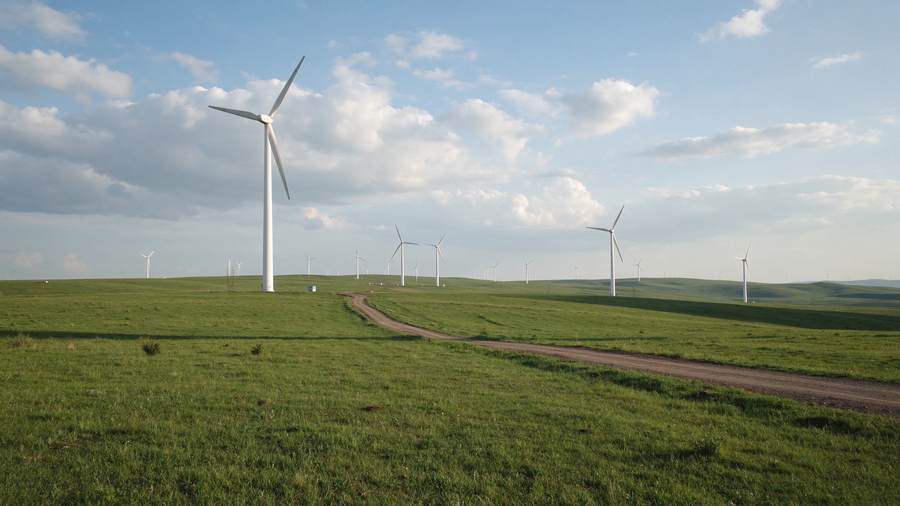
Xilamuren lies in Darhan Muminggan banner, Ulanqab, about 80 km from Hohhot, one of the closer grasslands at around 1,600 m, green in summer and autumn, windy with fast-moving cloud. Puhui temple, riding yards and camps are here, developed early so facilities are better than remote grasslands. The draw is the wide horizon and livestock coming home at dusk; riding is charged by the hour, agree the price first. Park at the camp, ride or walk the meadow in the afternoon, climb a low rise for sunset, two hours. Dirt tracks are rough, drive slowly and stay near the main track.
Puhui Temple
In the heart of Xilamuren, Puhui Temple was built in the Qing Qianlong era and is a rare Tibetan Buddhist site on the grassland, important to local Mongolian believers. Modest in size with main hall, sutra hall and a circumambulation path; thangkas and statues are well kept, and herders come for festivals. Enter from the front square, circle the hall clockwise, then see the thangkas, forty minutes. Small car park, busy in season, or park on the dirt road and walk. Remove hats inside, do not photograph statues head-on; only three steps at the hall.
- Where to eat
- Lunch at the camp: boiled mutton, milk tea, roasted millet, plus milk skin. Dinner needs a whole roast lamb ordered ahead; for smaller groups a leg with wild onion and oat noodles.
- Roads and driving
- Back to the Baotou-Maoming expressway, then the Beijing-Tibet expressway north of Hohhot and a provincial road into the grassland, 210 km. Day two of this rental car for foreigners in China route includes dirt tracks that get muddy after rain; drive slowly, no charging up slopes.
- Where to stay
- Stay at a grassland camp, yurt-style rooms or ordinary ones, good for stars; if you feel the cold take a heated room, temperatures drop fast at night.
Tips for the day
- Agree the riding price and wear a helmet, do not let the handler gallop
- Dirt tracks slip after rain, stay on the main track and follow ruts
- Nights are cold even in June, bring a thick jacket and a power bank
Day 3: Xilamuren back to Hohhot
About 90 km, provincial road plus expressway, 1.5 hours
Grassland morning herd
Early morning is better than midday: sheep move from the camp to water, herders on motorbikes, smoke rising from yurts, low slanting light and long shadows. No sight needed; park below a low rise outside the camp and walk up, half an hour. Less wind than daytime, wear a jacket. Dew wets your shoes, put paper down in the car. Then breakfast and pack.
Wuchuan town stop
The provincial road back passes Wuchuan, a small county town with one main street, easy fuel, supermarkets and noodle shops. This is the farming-grazing edge north of the Yin mountains; oat noodles are the staple, try oat nests with mutton soup. Stop twenty minutes for fuel, water and a bowl of noodles, more reliable than finding supplies on the grassland. Marked bays on the main street, parking by the supermarket too. Flat, no steps.
- Where to eat
- Breakfast at camp: milk tea with roasted millet and milk tofu. Lunch in Wuchuan: oat nests with mutton soup, or a simple beef noodle bowl before the expressway.
- Roads and driving
- Ninety kilometres, provincial road then the Beijing-Tibet expressway, 1.5 hours. The provincial road is 60 km/h with speed humps and livestock through villages; slow for animals. The last leg of this rental car for foreigners in China route is easy; refuel in Hohhot before return.
- Where to stay
- No hotel needed, return to Hohhot; for an extra night, Xinhua Square or the Wanda area is handy for food and car return.
Tips for the day
- Heavy dew in the morning, dry shoes before boarding and keep mud out of the cabin
- Livestock on village roads ignore horns, slow down and wait
- Clear rubbish before return and shake grass off the mats
Pages that help on this route
- Rental packages and what is included
- Temporary driving permit in China
- All routes by province
- All cars in the fleet
Costs to expect
Charged by actual rental days; covers the vehicle, basic insurance, pick-up and return paperwork and roadside assistance guidance. Fuel, tolls, parking, tickets, horse riding, meals and hotels are excluded. This rental car for foreigners in China route is quoted item by item.
Driving tips
- Carry passport and home licence; fuel stations are far apart, top up whenever you see one
- Expressways 100–120 km/h, grassland roads 60–80, slow down in crosswinds
- June to September sunny by day, cool at night, bring long sleeves and sun cream; shoulders soften after rain
- Few restaurants between Ordos and Xilamuren, carry water and snacks