Route overview
Pick up in Xi'an, cross the Qinling south to Ankang for the Han River lake and Nangong Mountain, then north through the Zhongnanshan tunnel to Lintong for the Terracotta Army, Lishan and Huaqing Pool. Day three takes a slow look at relics and the old town in Lintong, before a short run back to Xi'an on day four. On a Rental Car for Foreigners in China the loop pairs Qinba nature with Guanzhong heritage on expressway and hill roads, suited to drivers who like both landscapes and history.
Highlights
- Islands of Yinghu Lake on a Rental Car for Foreigners in China route
- Nangong peaks and pine-boardwalks
- Terracotta ranks and bronze chariot in Lintong
- Lishan woods and Huaqing hot pools
Suggested itinerary
- Day 1D1 Pick up in Xi'an, Ankang Yinghu Lake — 240 km
- Day 2D2 Ankang to Lintong — 250 km
- Day 3D3 Stay in Lintong, relics and old town at leisure — 0 km
- Day 4D4 Lintong back to Xi'an — 30 km
Day by day
Day 1 South from Xi'an to Ankang, Yinghu Lake and Nangong Mountain
About 240 km today
Yinghu Lake
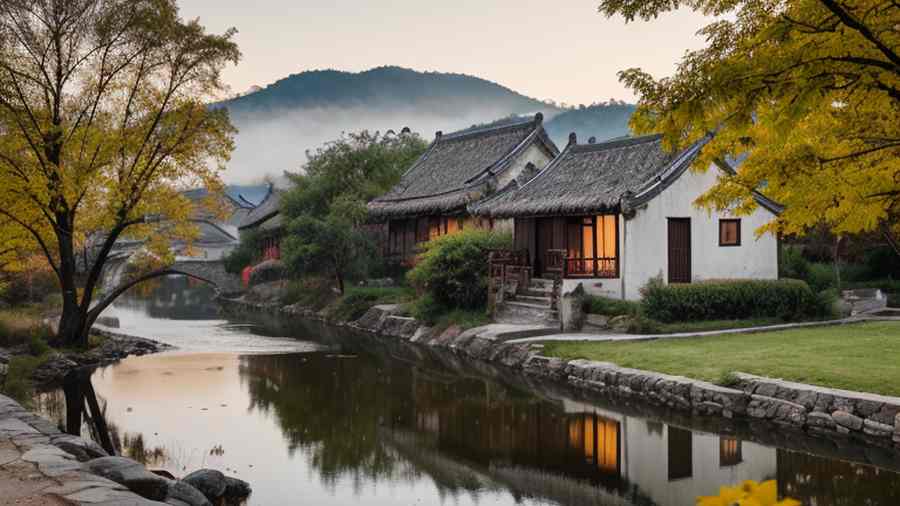
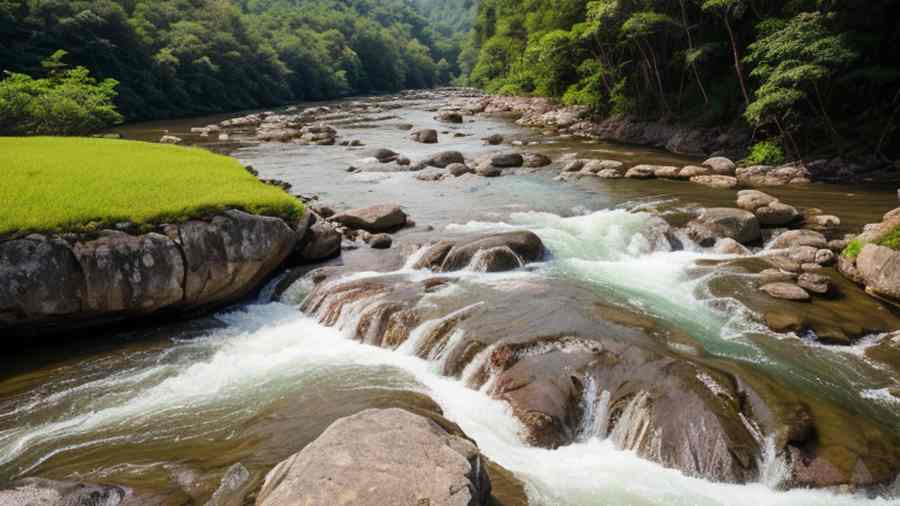
Yinghu Lake lies on the Han River southwest of Ankang town, an upstream reservoir with open water, scattered islands and inlets, clear green where waterbirds move between surface and shore. The lakeside road bends with the hills, viewpoints over bays and islands, boats running between piers. The moist southern Shaanxi climate keeps the shore cooler than the plain in summer, with layered vegetation in spring or autumn. Visit from the visitor centre by boat to an island, or walk a viewpoint segment for two to three hours. Park at the scenic lot with a short shuttle to the pier. Lakeside paths are level with dock gangways; a few small steps sit on island courtyards, effort moderate. As the southern Shaanxi nature stop on this Rental Car for Foreigners in China route, meals and lodging are convenient; boats run more often on summer weekends, ask ahead.
Nangong Mountain
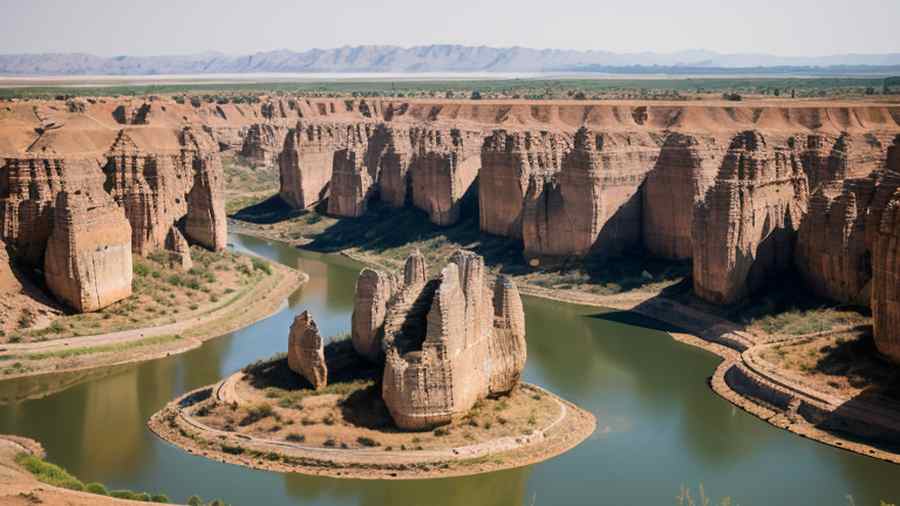
Nangong Mountain stands in Langao county, Ankang, on the north foot of the Daba range. A temple has stood here since late Tang times; folk usage called it Guanyin Mountain, later renamed Nangong. Volcanic rock pillars form sharp peaks under pine-covered slopes, and after rain sea of clouds often drifts around the mid-hill. Old temple remains and a ridge boardwalk follow the cliff edge with views over valleys and villages. Altitude rises noticeably, cooler than Ankang town, so keep the climb slow. The shuttle drops at mid-hill; follow the boardwalk up and back, and fit visitors can reach the summit platform, while those short on time stay at mid-level viewpoints. Park at the gate lot. Summit steps run continuously and tax the legs, choose your section by stamina; the woods stay cool, carry a jacket, grip shoes on wet rock, stay behind rails.
- Where to eat
- On this Rental Car for Foreigners in China route, keep lunch simple at a service area; in Ankang try steamed noodles, Han River fish and kaokang sesame bread. Southern Shaanxi food leans sour and spicy, with many eateries in town.
- Roads and driving
- Take the Baomao expressway south from Xi'an through the Zhongnanshan tunnel group to Ankang; hills bring linked bridges and tunnels with bends and grades on the ridge. On this Qinling crossing day of a Rental Car for Foreigners in China trip, switch lights on and slow before tunnels; a lakeside road of about ten kilometres leads to Yinghu after the exit, slow on water bends.
- Where to stay
- Stay in Ankang town or a lakeside hotel at Yinghu, with an evening walk along the water.
Tips for the day
- Tunnels are long; switch lights on and keep distance
- Reach Nangong early if doing it today, otherwise keep to Yinghu
- Wind off the lake, add a jacket in the evening
Day 2 North through the Qinling to Lintong relics
About 250 km today
Emperor Qinshihuang Terracotta Army
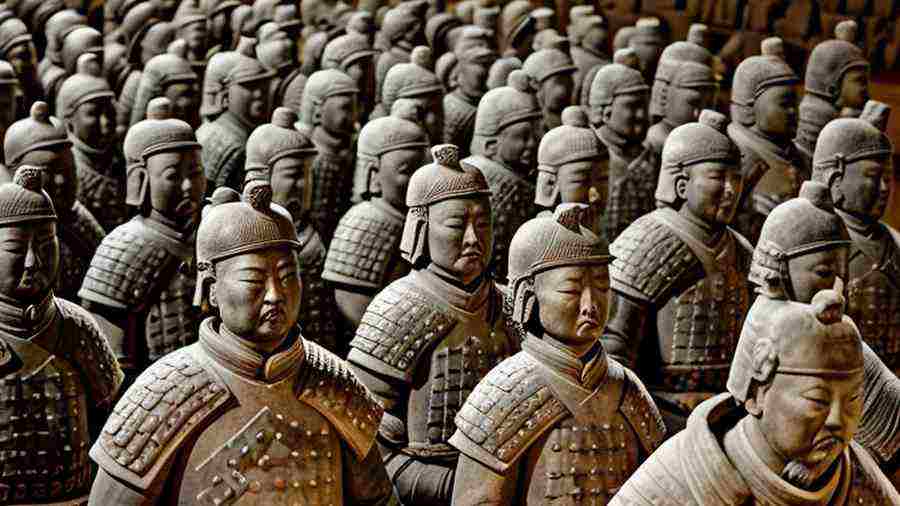
The museum sits east of Lintong at the north foot of Lishan, the burial-pit army of Qinshihuang's mausoleum. In the 1970s local farmers digging a well stumbled on pottery fragments, and excavation gradually opened pits one, two and three, where clay ranks follow battle formation with infantry, chariots and cavalry in place. Pit one is wide, rows of figures separated by rammed-earth walls, faces and armour differing one by one; pit two mixes troop types, and the gallery holds bronze chariot finds. Follow the visitor route through the three pits and gallery over three hours; guided talks and audio guides are available. Park in the large scenic lot, then walk or take the internal shuttle to the halls. Gallery aisles are level but crowded, keep to the route; stay behind pit rails and do not lean over. The halls are air-conditioned, carry a light layer, and no flash photography inside.
Lishan Mountain
Lishan lies south of Lintong, a branch of the Qinling range wooded over its slopes, with hot springs at the foot and relics of successive hill palaces and memorials along the way. The Western Zhou beacon legend attaches to the summit platform; mid-hill holds the Old Mother hall and Bingjian pavilion, and the top overlooks the Wei plain and Lintong. The hill is not high but trails run continuously, dense shade in summer, changing colours in spring and autumn. Take the cable car to mid-hill, then follow paths to viewpoints and pavilions; average stamina can stop at half route. Park at the foot lot beside the cable station and trailhead. Climbing steps run in continuous stretches with rising slope, wear grip shoes; wind on the hill exceeds the town, add a layer at the top, keep pace slow after rain, and do not carve names in pavilions.
Huaqing Pool
Huaqing Pool sits beside Huaqing Road at the north foot of Lishan, the site of the Tang dynasty hot-spring palace where emperors bathed and rested over generations; the garden was built around the spring sources. Pavilions follow the water system, while hot-pool ruins display the layout of ancient bathing architecture among corridors, lotus ponds and trees, in quiet layered courtyards. The appeal lies in spring history, garden layout and Tang remains rather than soaking. Walk the water courtyards in sequence through pool ruins, steles and pavilions in one and a half to two hours. Park at the scenic lot and walk in. The garden mixes level ground and small steps, overall gentle; less mobile visitors can follow the main path. Spring areas stay damp, watch for slipping; holidays are crowded, so a non-noon entry is calmer, and do not wade across pool zones.
- Where to eat
- Breakfast of steamed noodles and soy milk in Ankang; simple lunch at a service area; in Lintong try biangbiang noodles, roujiamo pork burger and cold skin noodles, a rich Guanzhong noodle tradition along the main street.
- Roads and driving
- Take the Baomao expressway north from Ankang through the Qinling tunnel group again past Zhashui, then the Xi'an ring and Lianhuo expressway to Lintong, hills meeting plain. Light changes between tunnels, slow and switch lights on entry; Lintong town roads are regular, with shuttle buses and navigation between sights, and holiday traffic builds.
- Where to stay
- Stay in Lintong town near the Terracotta Army and Huaqing Pool, within walking or short-hop reach of the relics next day.
Tips for the day
- The Terracotta Army is busy, arrive early to beat tour groups
- Lishan has a cable car both ways to save effort
- Hot-pool foot baths follow onsite notices
Day 3 Stay in Lintong, relics and old town at leisure
No long drive today; local hops of about 5 to 15 km
Hongmen Banquet Site
The Hongmen site lies at Hongmenbu village in Xinfeng town, east of Lintong, where the famous banquet of the Chu-Han contention was held and Liu Bei slipped away from Xiang Yu. The terrace and ditch survive, and a village gallery uses figures, panels and text to retell seating and the escape. The site is modest; its value lies in matching the historical event to the terrain, the terrace showing how the two armies faced each other across routes. Visit the gallery and courtyard in forty minutes to an hour, a fitting stop for Qin-Han history fans. Park in the open area before the site and walk in. The compound is mostly level with few steps, rooms joined gently; gallery light is dim, read panels slowly, do not block the lane when parking, avoid close-up photos of figures.
Lintong old town walk
Lintong grew as an old town around its hot springs and relics; the Dongguan to Renmin Road quarter keeps local shops, snack stalls and residential courtyards on narrow streets where pedestrians and e-bikes pass at an easy pace. Pomegranate vendors, noodle houses and general stores line the road, and in autumn ripe fruit fills the stalls, a window onto daily life in a Guanzhong county town. No dedicated sight is needed: walk the main street past shopfronts, eat a bowl of noodles, then turn into lanes to see courtyard walls and old trees. Do not move the car; an hour on foot covers the loop. Park at the hotel and walk over. Old streets are mostly level, flagstone and concrete mixed with small slopes; watch passing vehicles where stalls narrow the way, keep belongings close, stay in shade under strong midday sun, and buy water at lane-side shops.
- Where to eat
- Morning snacks from old-town shops: zenggao rice cake, persimmon cakes and youcha paste; main meals on saozi noodles, paomo bun stew and farmhouse stir-fries; fresh pomegranates and juice appear in fruit season, and small eateries serve quickly.
- Roads and driving
- No long drive today; the relic site and old town are on foot or a short hop from the hotel. Lintong streets are straight, parking at the hotel or marked roadside bays, keep speed low in lanes and watch e-bikes cutting through.
- Where to stay
- Keep the same Lintong hotel for a relaxed day and sorting photos from the first two days.
Tips for the day
- Gallery talks run on a schedule, plan around them
- Old-town shops open after midday, see the relic in the morning
- Guanzhong nights and days differ, pack a jacket
Day 4 Lintong back to Xi'an, Ba River and the wall
About 30 km today
Baqiao ecological zone
Baqiao lies east of Xi'an where the Ba River runs down toward the Wei, the old eastern exit from Chang'an and the home of the willow farewell custom. Both banks are now ecological green space, willows, reeds and trails along calm water where waterbirds fly low, a relaxed stop on the way back from Lintong. The zone is open free green space rather than a ticketed park, busy with local walkers and exercisers. Spend about half an hour on the riverside path over the water and willows, without planning long cycling or hiking. Park at the zone lot and walk onto the boardwalk. Paths are wooden and level with railings on raised sections and few steps; wind off the river is strong, wet planks need care, summer insects call for repellent, and watch loose boards after rain.
Xi'an Ming city wall
Xi'an's Ming wall encircles the old city, expanded on Tang Chang'an foundations, over ten kilometres around with brick facing, gateways, bastions and watchtowers kept intact among clearer surviving walls. The top path is wide and level for walking or cycling; the southern stretch looks over inner roofs and lanes, the view raised above the street. Below, a ring of trees and gate squares links the access gates. After entering the city, climb at the southern section and walk a segment to read the layers inside and outside rather than completing the whole circuit. Park near the south gate and ascend the ramp. The wall ramp is a slope, the top path flat with no continuous high steps; wind on the wall is strong, use sun protection in summer and layers in winter, follow signs where cycling is not allowed, and do not carve bricks.
- Where to eat
- Breakfast in Lintong on pork burger and millet porridge; back in Xi'an choose paomo, grilled meat or Muslim quarter snacks. The day is light, so the main meal fits your timing, and noodle houses serve quickly.
- Roads and driving
- Take the Lianhuo expressway or the Xilin fast road west to Xi'an, around thirty kilometres in just over half an hour. Westbound traffic peaks in morning rush, so avoid the busiest hour; the Ba River stretch runs level by the water, watch cyclists and non-motor traffic, and check the drop-off point before entering.
- Where to stay
- No overnight stay is arranged; if you want an extra night, stay in central Xi'an for the Giant Wild Goose Pagoda and Muslim quarter the next day.
Tips for the day
- Avoid the 7:30 to 9:00 morning rush entering the city
- Parking near the south-gate wall access is tight
- Check the car before return and clear personal items
Pages that help on this route
- Rental packages and what is included
- Temporary driving permit in China
- All routes by province
- A car that suits this route: Volkswagen Passat (Mid-size Sedan)
Costs to expect
Included: vehicle use, basic insurance, pick-up and drop-off. Not included: tickets, meals, hotels, fuel and tolls.
Driving tips
- Before the Qinling tunnel group on this Rental Car for Foreigners in China trip, check lights and brakes, use low gear on descents
- Bingmayong and Huaqing draw crowds, arrive early and follow the visitor route
- Qinba hills are cool morning and evening, bring a light jacket in spring and autumn
- Mountain fuel stations are fewer than on the Guanzhong plain, fill up before climbing