Route overview
This trip picks up in Hangzhou, goes southwest to Chun'an's Thousand-Islet Lake for islands and shoreline, then west to Kaihua for the root-carving Buddha park, Qianjiang Source forest and mountain villages, before returning to Hangzhou on the Hangzhou-Xin'an-Jingdezhen expressway, over five days and roughly 530 km. Expressways join mountain county roads with gentle bends and smooth surfaces, suiting travellers who like lake views, forests and old villages without heavy driving. A Rental Car for Foreigners in China on this western Zhejiang waters loop finds mature services in county towns and lake areas; spring and autumn give clear hills and water, while summer calls for rainshower and mosquito care.
Highlights
- Meifeng Island island views over Thousand-Islet Lake and the rebuilt Wenyang Lion City
- Root-carving Buddha garden and Qianjiang Source forest streams in Kaihua
- Terraced village of Taihui Mountain and the Xiashan old houses
- A Rental Car for Foreigners in China touring western Zhejiang waters and villages, with pace and mountain parking confirmed ahead
Suggested itinerary
- Day 1D1 Hangzhou to Chun'an Thousand-Islet Lake — 150 km
- Day 2D2 Lake stay, short shuttle on the lakeside greenway — 10 km
- Day 3D3 Chun'an to Kaihua — 100 km
- Day 4D4 Kaihua stay, short shuttle to Taihui Mountain and Xiashan — 20 km
- Day 5D5 Kaihua back to Hangzhou — 250 km
Day by day
Day 1 Southwest from Hangzhou to Thousand-Islet Lake
About 150 km today
Meifeng Island
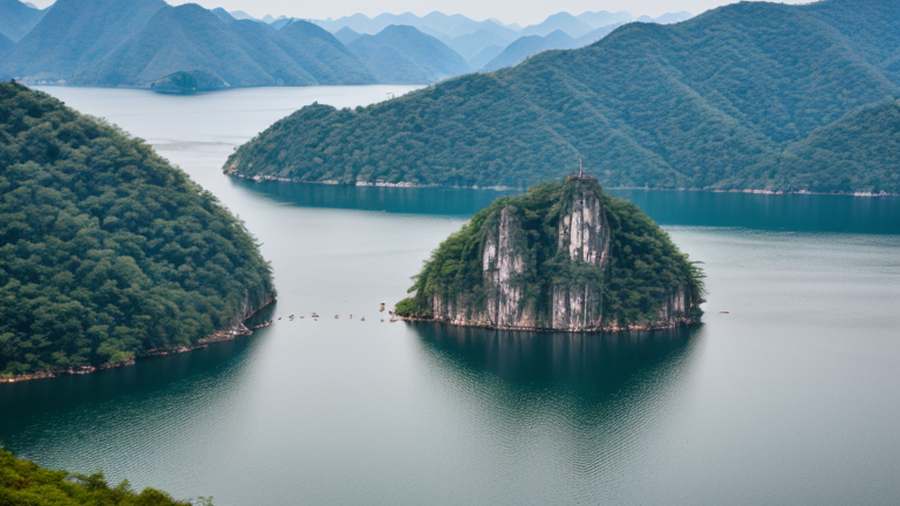
Meifeng Island sits in the central Thousand-Islet Lake area, one of the islands with the broadest viewing angle. Slopes are covered in evergreen trees, and from the summit viewpoint you look down on islands scattered across the water, their outlines rising and falling with distance; on clear days layers read between lake and hills. The lake formed after reservoir impoundment: former hilltops were submerged and exposed as islands, and Meifeng is a main cruise stop. At the viewpoint watch scattered islands and harbours; reflections are clear on calm mornings, and warm evening light deepens colours. Park at the dock lot, take the boat over; island paths climb stone steps up the slope, a round trip of one to two hours in sections but not steep. Moderate elders rest at the mid-hill platform. Trees shade the island, but summer calls for a hat and water; steps are wet in rain.
Wenyuan Lion City
The Wenyuan Lion City stands near Jiangjia Town on Thousand-Islet Lake, a waterside quarter rebuilt after the layout of an underwater old city. Before the reservoir filled, old Suian town lay under today's lake; its lanes, archways and houses were submerged, and the shore reconstruction reproduces archways, shops and courtyards along the former plan, with displays explaining discovery and conservation. Along the street view archways, horse-head gables and shop forms; courtyard rooms show old-town photos and underwater survey records, with a stage and craft workshops between lanes. Park in the site lot and walk in; paths are mainly flat slab roads with a few thresholds and steps, about two hours. Exhibition rooms stay dim, so watch floor changes. Elders walk the main street slowly and choose side lanes. Food and craft shops cluster, eaves give shelter in rain, and summer shade is limited, so wear a hat.
- Where to eat
- Dinner in Chun'an centres on lake-head fish casserole, free-range chicken and mountain bamboo shoots; lakeside restaurants are plentiful, and freshwater fish is cooked plainly with local seasonal vegetables.
- Roads and driving
- Join the Hangzhou-Xin'an-Jingdezhen expressway from Hangzhou toward Chun'an, following the Fuchun tributary valley; tunnels and slopes alternate with gentle bends. This common expressway-to-lake leg for a Rental Car for Foreigners in China entering western Zhejiang has rockfall and slow vehicles to watch on lakeside sections.
- Where to stay
- Stay in Chun'an lake town; many lakeside hotels, and you can watch morning mist on the water next day.
Tips for the day
- Dock parking fills in peak season; arrive early for a spot near the boat you take.
- Wind over the lake keeps it cooler than shore, so bring a light jacket to the islands.
- Lakeside mountain roads have many bends; refuel above half a tank before setting out.
Day 2 Lake stay, a slow loop along the shore
About 10 km today
Thousand-Islet Lake Lakeside Greenway
The lakeside greenway runs along the shore of the lake town, linking waterfront parks, piers and hillside paths into one walking and cycling route. Paths split pedestrian and cycling lanes, with lake harbours on one side and trees and villages on the other. Built on the restored lakefront, the route has viewpoints, rest pavilions and bike rental, a shoreline way to see the lake without a boat. In early morning watch mist and island silhouettes; by day see harbour surfaces and opposite woods, and at dusk watch sunset over bays. Park roadside or in a town lot, then walk or cycle a chosen three-to-five km round trip; paths are flat, boardwalks by the water have railings and a few ramps. Elders stay on flat sections; morning and evening lake wind is cool, so bring a jacket, and mosquitoes are many in summer, so use repellent. Boardwalks are slippery in rain.
- Where to eat
- Lakeside breakfast is rice soup, scallion flatbread and plain congee; at noon order a freshwater stir-fry with rice in town. With a Rental Car for Foreigners in China giving a full relaxed day around the lake, take it easy and rest at the hotel before heading out again in the afternoon.
- Roads and driving
- No long drive today; the lakeside greenway and town lanes are short hops on smooth roads shared by e-bikes and walkers, so keep speed low.
- Where to stay
- Keep the same lake-town hotel; leave luggage in the room and walk the shore in early morning and evening.
Tips for the day
- Morning mist on the lake appears around dawn; watch wet boardwalks on the greenway.
- Parts of the greenway split cycling and walking lanes; keep to your side.
- Town supermarkets stock water and snacks; restock enough before going into the hills.
Day 3 West from Chun'an to Kaihua root-carving park
About 100 km today
Qianjiang Source National Park
Qianjiang Source National Park lies in the northern Kaihua hills, the source area of the upper Qiantang River. Ranges stretch continuously, secondary old forest covers gullies, and mountain streams drop along rock layers into pools, in damp air under dense trees. The reserve centres on water conservation and native forest ecology; paths follow valleys and ridges through broadleaf woods, shrubs and stream stones. Along the valley path watch currents, deep pools and cascades, and from ridge viewpoints look over layered hilltops; tree colour changes clearly in spring and autumn. Park at the entrance lot and walk in; paths are steps and dirt roads with moderate drop, two to three hours in all. Stream stones are slippery, so keep off closed sections. Moderate elders stay on the flat front valley section; mosquitoes are many, and a jacket is essential in cool mornings and evenings.
Root-carving Buddha Park
The Root-carving Buddha Park sits on Kaihua's outskirts, a garden-style compound themed on root carving and Buddhist statuary. Halls and courtyards follow the hill shape; large root sculptures line galleries and lawns, natural root forms combined with hand carving, while old trees, water features and stone bridges sit between courtyards. Kaihua has rich root material and a long carving tradition; the park gathers root works of varied subjects displayed in gardens. Along galleries view large carved Buddhas and figures, watch roots pair with rocks and water, and read boards on craft and subject. Park in the compound lot and walk in; flat paths connect with a few steps, two to three hours. Works sit inside rails and cabinets, so do not touch surfaces. Indoor halls stay dim, so watch steps; elders walk the main gallery slowly and choose side courtyards. Greenery keeps the park cooler than town in summer.
- Where to eat
- Dinner in Kaihua centres on clear-water fish, Majin dried tofu and river snails; county restaurants cluster along the riverside street, with simple cooking of mountain ingredients.
- Roads and driving
- Take the provincial road from Chun'an toward Kaihua along valleys of the upper Xin'an tributary; mountain bends are gentle, villages and tea farms alternate, and vehicles pull out at village entrances.
- Where to stay
- Stay in Kaihua county town; hotels and meals are central, making next day's short hops to Taihui Mountain and Xiashan convenient.
Tips for the day
- The root-carving park is large; take a map at entry and follow exhibition areas in order.
- Root carvings are fragile; do not enter cabinets or fenced areas, and no flash photography.
- Forest valleys have many mosquitoes; carry long sleeves and repellent, and wear shoes that resist wet ground.
Day 4 Kaihua stay, Taihui Mountain and Xiashan village
About 20 km today
Taihui Mountain
Taihui Mountain lies in the hills west of Kaihua, a village and terraced fields built in layers along the slope. Houses follow hillside terraces, white walls and dark tiles stacking to the waist, terraces spreading before the village and distant ranges closing in. Because the settlement layers up the slope, it reads like a mountain Potala from afar, known locally as the little Potala. As a low-density stop on a Rental Car for Foreigners in China staying in Kaihua, it lets you quietly study village layout, terrace lines and drifting mist. From the opposite viewpoint watch layered houses and terraces; morning mist softens the outline, and afternoon light makes slope layers clear. Park at the village lot and walk up; steps and dirt roads alternate with moderate drop, about two hours. Ridges are slippery, so keep off unharvested fields; hill mornings and evenings are cool.
Xiashan Old Houses
Xiashan old houses stand in Xiashan Village north of Kaihua, an old settlement preserving many Ming-Qing brick-timber courtyards. Lanes run along the stream and cobble paths, horse-head gables, grey-brick gateways and wooden courtyards side by side, with carvings and inscribed plaques on lintels. The village grew on water transport and mountain-goods trade, clan settlement left contiguous courtyards, and lanes still follow the old layout. Along cobble lanes watch old gateways, sky-lit courtyards and grey-brick walls; compare village and stream from the old bridge, and read rooms on village migration. Park outside and walk in; lanes are cobble and slab, thresholds and steps vary, about an hour and a half. Old houses stay dim, so do not enter unopened courtyards. Elders walk the main lane slowly; keep voices low. Cobbles are slippery in rain, so watch your step.
- Where to eat
- Hill farm lunch is free-range chicken casserole, braised pork with dried bamboo shoots and hand-pulled noodles; village shops serve home-pickled sides with rice, and rest in lane shade afterwards.
- Roads and driving
- Short hops around Kaihua today; the county road to Taihui Mountain is narrow but smooth with many bends, so slow when meeting traffic. Xiashan old village sits closer to town, and motor vehicles do not run in its lanes.
- Where to stay
- Keep the same Kaihua county hotel; leave luggage in the room and return to town for dinner in the evening.
Tips for the day
- Hill villages have many steps and thresholds; wear non-slip flat shoes and do not step into private courtyards for photos.
- Terrace viewpoints are scattered; after parking in the village lot, follow trail signs.
- Old village houses are timber structures; no smoking indoors, and watch fire-safety signs.
Day 5 Tea hills in the morning, back to Hangzhou
About 250 km today
Kaihua Longding Tea Garden
Kaihua Longding tea gardens spread over low gentle slopes around Kaihua, bushes planted in rows along contour lines, layers following the hillside. Nearby are neat dark-green rows, with woods and villages in the distance. Kaihua Longding is a well-known local green tea; tender shoots are picked around Qingming, and farms have organised viewing sections alongside cultivation. From roadside viewpoints watch tea rows rise and fall with slopes; morning mist drifts between rows before it clears, and spring picking scenes are visible. Park at the viewpoint rest area and walk to the terrace edge; there is no need to enter rows. The section has flat paths with a few ramps, a thirty to forty minute stop. Soil between rows is soft, so keep off picking areas; elders view from the flat viewpoint. Tea-garden sun is strong, so wear a hat and carry water.
- Where to eat
- Before setting out, have hot congee with snacks in town; keep the return simple at expressway service areas, and buy some local dried tea near the tea farm for the road.
- Roads and driving
- Join the Hangzhou-Xin'an-Jingdezhen expressway east from Kaihua back to Hangzhou; western Zhejiang hill roads lead onto the expressway. Watch fatigue on long straight legs, traffic grows near the Hangzhou ring, and merge by ramp speed limits.
- Where to stay
- No overnight stay is arranged; you return to Hangzhou the same day. If you want an extra night, stay in Kaihua county town and take the return expressway next morning.
Tips for the day
- Check fuel and tyres before the return; service areas are spaced apart, so fill up before setting out.
- Tea-garden viewpoints sit beside the road; park in designated areas and do not walk through tea rows.
- Check navigation for congested sections before entering Hangzhou and avoid the evening peak.
Pages that help on this route
- Rental packages and what is included
- Temporary driving permit in China
- All routes by province
- A car that suits this route: Toyota Harrier (Comfortable mid-size SUV)
Costs to expect
Included: vehicle use, basic insurance, pick-up and drop-off. Not included: tickets, meals, hotels, fuel and tolls.
Driving tips
- Bring your passport and temporary driving permit; western Zhejiang roads have many bends, so check brakes and lights ahead.
- Lakeside and hillside mornings and evenings are cool; pack a light jacket and non-slip walking shoes, and slow on wet roads.
- Boats and scenic shuttles run fixed schedules; confirm the day's sailing times at the dock.
- With a Rental Car for Foreigners in China through western Zhejiang villages, watch pedestrians at village and tea-farm junctions and stay within speed limits.