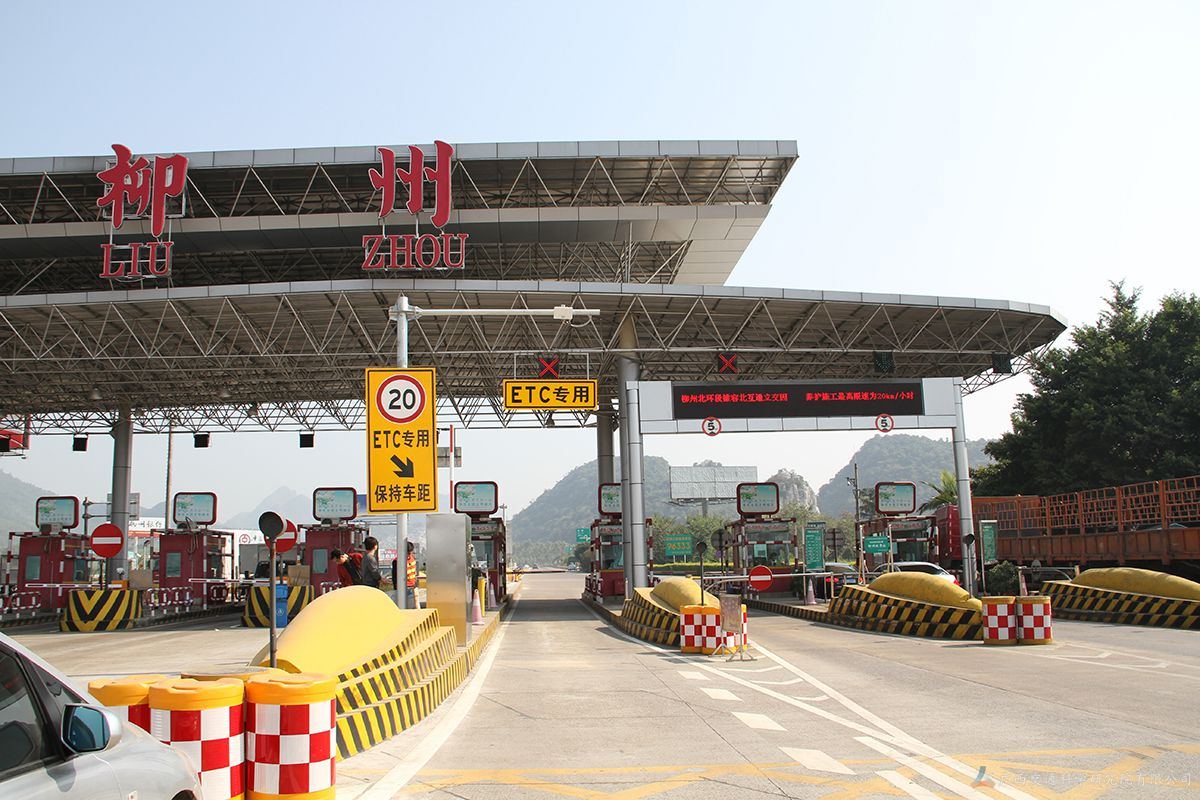
China has over 170,000 km of expressways — the longest network in the world. Here is how tolls work for a foreign visitor driving a rental car.
How much are tolls?
Most Chinese expressways are tolled (Hainan is the exception — tolls are baked into fuel prices). For small cars (7 seats or under, including our Lavida and Tank 300):
- Plains: 0.4-0.5 RMB per km.
- Mountains (Yunnan, Sichuan): 0.5-0.6 RMB per km due to bridges and tunnels.
Examples: Kunming–Dali (330 km) costs about 150 RMB. Chengdu–Chongqing (300 km) is about 120 RMB. Urumqi–Kashgar (1500 km) is about 600 RMB. On a 7-day Yunnan loop, expect to spend 500-700 RMB in tolls.
What is ETC?
ETC is China's electronic toll collection system — a small device on the windshield that lets you drive through dedicated lanes without stopping. It requires a Chinese bank account to set up, which foreign tourists cannot open. Our rental cars do not have ETC devices.
Important: Do not enter the ETC lane (usually the leftmost lane, green sign). You will block traffic. Take the manned / cash lane (right side, red-white barrier).
The manned lane procedure
- Entering the highway: Slow down at the toll booth. The machine dispenses a ticket, or the attendant hands you one. Keep this ticket — do not lose it. The barrier lifts and you drive on.
- Drive normally.
- Exiting the highway: Take the manned lane. Hand the ticket to the attendant. They tell you the fare (e.g. "150 yuan"). Pay with cash, or scan the QR code next to the window using WeChat Pay or Alipay. The barrier lifts and you drive off.
You never need to leave the car. The whole process takes about 5 minutes.
Cash or phone payment?
- On popular routes (Yunnan, Sichuan, Hainan, East China), all toll booths accept WeChat and Alipay.
- In remote areas (Tibet, parts of Xinjiang and Qinghai), small toll stations may only take cash. Keep 500-1000 RMB in small bills in the car for this purpose.
Service areas
Chinese expressway service areas appear about every 50 km. They have PetroChina/Sinopec fuel stations, chain restaurants (30-50 RMB per meal), convenience stores, free restrooms, and free hot water. Stop every 2 hours to stretch, use the toilet and fill up. In Xinjiang, distances between service areas can be very long — never push on with a half-tank.
Highways vs national roads
National roads (G-prefix) and provincial roads (S-prefix) are free. They are slower (60-80 km/h, through towns, with traffic lights) but often more scenic. Our advice: take the highway for long-distance travel to save time, but get off on national roads when the scenery is good. For example, Kunming to Dali by highway (4 hours), but the Lijiang–Shangri-La stretch on G214 (3.5 hours) to see Tiger Leaping Gorge and the meadows.
Speed cameras
Speed limits vary: 120 km/h on open highway, 80-100 km/h in tunnels and mountain sections. Cameras are everywhere — fixed cameras on gantries, average-speed checks between two points, and mobile units. Amap warns you well in advance. Speeding tickets are deducted from your car deposit when you return the vehicle, plus a 200 RMB handling fee per ticket.
If something goes wrong
- Breakdown: Pull into the emergency lane, turn on hazard lights, get out behind the barrier. Call 12122 (highway assistance) or contact us. Mechanical failure is covered by us — we tow and replace the car for free.
- Accident: Call 122 (traffic police). Photograph the scene. Call 120 first if anyone is injured.
How we help
Our Lavida rental (260 RMB/day) has unlimited mileage — drive as many toll roads as you like. The Tank 300 (400 RMB/day) has a 300 km/day limit; tell us in advance if you plan long highway days. We keep cash in the car for tolls and fuel. WeChat qxzj7557 / WhatsApp +86 13759155671.