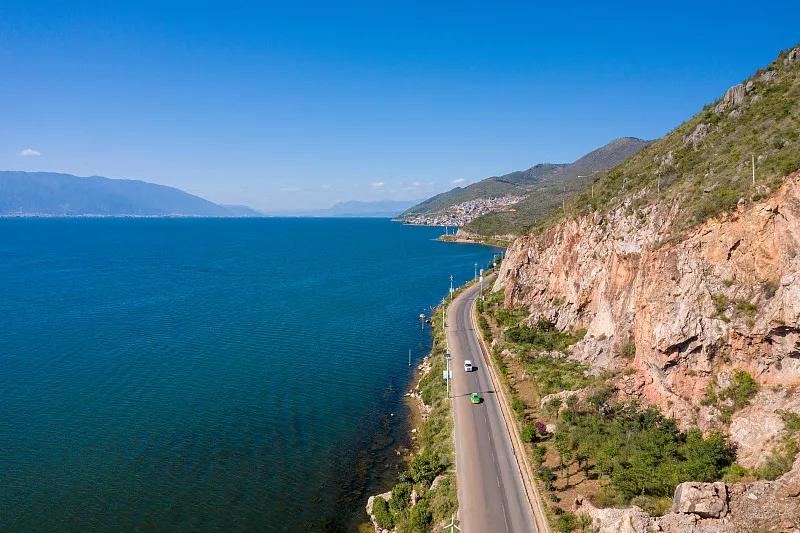
A short drive from Lijiang, the Lashihai wetland is a calm change of scene from the old towns. It is a plateau lake set in a broad basin, surrounded by marsh and shallows that draw large numbers of migrating birds, and the surrounding villages keep a quiet rural character. With a Dali Lijiang car rental for foreigners it makes an easy half-day, especially in the migration seasons, and the level paths suit a relaxed walk. I often suggest it to birdwatchers, photographers and anyone wanting a few quiet hours by the water. Here is how to plan the visit, when the birds arrive and what to expect.
A plateau wetland and its birds
Lashihai sits in its own basin above the Lijiang valley, and the mix of open water, reed beds and shallow margins makes it valuable habitat for water birds, including species that pass through on migration and others that winter here. In the cooler months the numbers and variety rise sharply, with geese, ducks, herons and other water birds feeding and resting across the shallows. The wetland is protected for its ecological value, and the quiet, observant approach that birdwatching requires suits the place. A Dali Lijiang car rental for foreigners gets you there early, when the birds are active and the water still, ahead of the day's rides and groups.
The best seasons for birdwatching
The migration periods, roughly from late autumn through to spring, bring the richest bird life, as birds move between their northern breeding grounds and the warmer south, with winter holding a steady population. In summer the wetland is quieter on the bird front but greener and still pleasant, with resident species and the wider lake views. The seasonal guide helps place the timing, and the photography guide covers the soft light over the water. Bring binoculars if you have them, dress in muted colours and keep movement slow and quiet so the birds are not disturbed.
The drive and the villages
Lashihai lies a short drive west of Lijiang, reached by good roads that cross the basin and pass through small Naxi villages before reaching the lake. The trip is comfortable in an ordinary car and takes little time, though the lakeside lanes are narrow and shared with local traffic and the occasional horse group. The parking guide explains where to leave the car, and the navigation guide keeps the route clear. The villages around the wetland are worth a slow look, with traditional houses and farmland running down to the water.
Walking the lakeside paths
The wetland has level paths and viewing points along the shore and among the reed beds, built to let visitors watch the birds without pressing into the habitat. The walking is gentle rather than strenuous, and the calm water with the mountains reflected in it is attractive even when the birds are few. Stay on the marked paths, keep noise down and do not enter the marsh or disturb the reeds, since the protection of the nesting and resting areas matters. The Heqing guide covers another wetland area in the region. A quiet, patient walk is the whole point, and a hide or viewing platform gives the best chance of seeing the shyer birds.
Horse riding and the local tours
The area is also known for horse-riding trips offered by the villages, a popular activity that can be a pleasant way to see the basin if chosen carefully, though it is separate from the quiet birdwatching. If you ride, use a reputable local operator and agree the route and the terms clearly beforehand rather than following an unsolicited offer. The booking terms guide covers the general principles for arranging activities. Many visitors simply prefer the walking and the bird hides, and there is no need to ride to enjoy the wetland. Keep the two parts of the day distinct so the noise does not disturb the birds.
Food, weather and practicalities
The nearby villages have simple restaurants serving local Naxi food, and a relaxed meal before or after the walk is easy. The plateau basin is open and can be breezy and cool, especially near the water and in the winter migration season, so take a warm layer even on a clear day, along with sun protection and water. The payment guide covers the local apps, and a little cash helps at the small village stalls. Mornings tend to be calmest on the water and best for both birds and photographs.
Watching birds without disturbance
The value of the wetland depends on the birds being left in peace, and a few simple habits make the watching far better for both you and them. With a Dali Lijiang car rental for foreigners you can arrive at the quiet early hour when the water is still and the birds are feeding, which is when the most species show. Move slowly and keep low near the hides, wear muted colours, avoid sudden noise and let the birds come to you rather than walking towards them. Staying on the marked paths and the viewing platforms keeps the reed beds and the nesting ground untouched, and patience at a single spot usually rewards you with closer views than chasing around the shore. Binoculars or a long lens bring the birds close without the need to approach, and a quiet morning in one hide can show more than a whole day of walking. Keep voices low, leave no litter and give the grazing and resting flocks plenty of space, particularly in the winter when the birds are using the wetland to recover. Respectful watching is the whole spirit of the place, and it leaves the habitat intact for the seasons to come.
The short version
Lashihai is a protected plateau wetland a short drive from Lijiang, an easy and rewarding half-day with a Dali Lijiang car rental for foreigners, particularly from late autumn to spring when the migrating birds gather. Drive the good roads, park at the designated area, walk the quiet lakeside paths and viewing points, and keep disturbance to the birds to a minimum. Send me your dates and I will suggest the best timing and how to combine the wetland with a nearby village, so you get a calm day of birdwatching without a rushed schedule.
Zara
Yunnan Province International Travel Agency (Group) Co., Ltd.
WeChat/WhatsApp: +86 13759155671
WeChat handle: qxzj7557
Email: [email protected]