The Dali and Lijiang region is one of the most photographed parts of Yunnan, and having a car changes the photography completely, because you can reach the quiet spots at the right time rather than shooting from a coach stop. The range is wide: lakeside reflections, white-walled old towns, high gorges, blue alpine water and the snow peaks. A Dali Lijiang car rental for foreigners lets you build a route around the light rather than the other way round. I have planned trips for keen photographers and casual phone-shooters alike, and the same spots reward both. Here is how to think about the locations, the timing and the practical rules, including where drones fit.
The Erhai shore and its reflections
The lake is the natural starting point, and the villages along its shore give a series of different frames. The still morning water reflects Cangshan and the white Bai houses, while the later light warms the stone and the jetties. Shuanglang and the quieter eastern shore suit the wide landscape frames, while Xizhou adds the patterned fields and old courtyard architecture. The Shuanglang guide and the Xizhou guide cover the locations. Early mornings are calmer and clearer, and a polarising filter helps cut the glare off the water. The key is to be set up before the light arrives rather than arriving after it.
The old towns and the water lanes
The Naxi and Bai settlements offer a different kind of photograph, built around stone lanes, wooden facades, bridges and the movement of local life. The quieter towns such as Shuhe and Baisha give uncluttered frames and genuine street scenes, while the busier Lijiang old town works best in the early morning before the lanes fill. The Shuhe guide and the Baisha guide cover the details. Respect people's privacy when taking close shots, and ask rather than photographing where it feels intrusive. The soft, indirect light of an overcast day often suits the stone and timber better than harsh midday sun.
The gorges and the high blue water
For drama, the river country to the north delivers. Tiger Leaping Gorge gives the dark chasm and the force of the water, while the First Bend at Shigu offers the wide, sweeping arc of the river from above. The gorge guide and the Shigu guide explain the access. Blue Moon Valley, with its vivid mineral-blue pools, is the standout close-up location inside the snow mountain area, and the Blue Moon Valley guide covers the timing. These spots need a wide lens for the scale and a steady hand near the spray, where the rocks can be wet.
The snow peaks and the high country
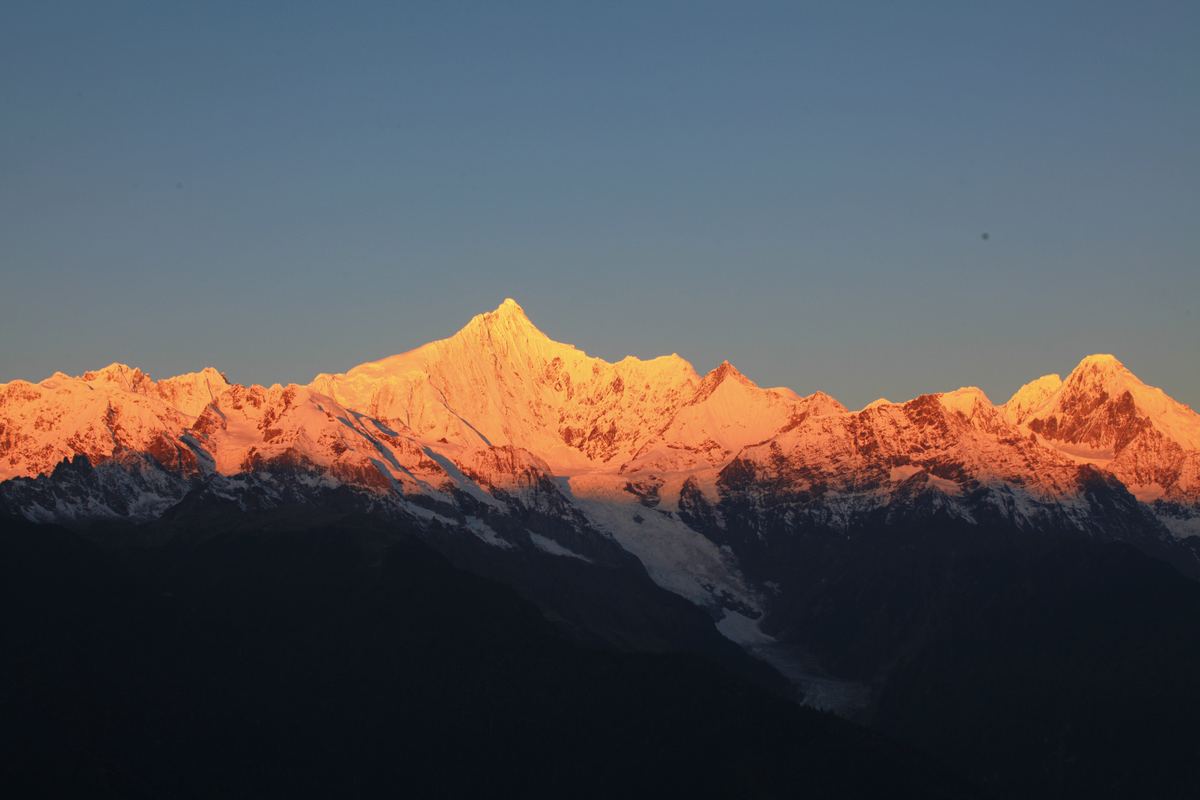
Jade Dragon Snow Mountain and the high basins such as Wenhai and Yuhu give the alpine frames, with the white peaks, the meadow flowers and the stone villages. The Yuhu guide and the Wenhai guide cover the roads and the altitude. Clear mornings offer the open peak views, while cloud and mist can create atmospheric frames of their own if you are patient. The high light is strong, so exposure and sun protection both matter, and the thin air means moving slowly between setups. Carry spare batteries, as the cold at altitude drains them quickly.
Planning around the light
The single advantage of self-driving is timing, and the sensible plan is built around the two soft periods, early morning and late afternoon, with the middle of the day given to travel, meals or indoor sights. A little research on where the sun rises and falls at each spot lets you be in position for the good light, and the navigation guide keeps the short hops smooth. The seasonal guide explains how the weather and the colours shift through the year. Resist the urge to chase too many locations in one day; a few well-timed shots beat a rushed set.
Drones and the rules
If you travel with a drone, the rules need taking seriously rather than assumed. There are restrictions around the scenic areas, the old towns and the airport, and some zones prohibit flying altogether, so check the current position and any local requirements before launching. The drone guide covers the practicalities and the courtesies. Keep the drone away from crowds, wildlife and temples, and never fly where it is clearly forbidden. When in doubt, leave it packed and work from the ground; the region gives plenty of strong frames without it.
Building a shot list for the trip
A loose shot list keeps the photography focused without turning the holiday into work, and the car makes it easy to move between the locations on it. With a Dali Lijiang car rental for foreigners you can group the nearby spots by their best light, putting the lakeside reflections in the calm morning and the old-town lanes in the softer afternoon rather than chasing the map at random. A Dali Lijiang car rental for foreigners also means you can carry the lenses, the tripod and the spare layers without packing light for a coach, which genuinely widens the range of shots. Write down only the handful of frames that matter most to you, a still Erhai reflection, a stone bridge over running water, the blue pools and a snow peak, and leave the rest of the day open for whatever appears. The strongest photographs often come from the unplanned stops the car allows, so the list should be a guide rather than a rule. Keep the mornings for the key locations, when the crowds and the wind are low, and use the bright middle hours for travel and rest. A short review each evening lets you adjust the next day, and the trip stays enjoyable while the photography keeps improving.
The short version
The Dali-Lijiang corridor offers a full range of photography, from Erhai reflections and old-town lanes to the northern gorges, the blue water of Blue Moon Valley and the snow peaks, all reachable at the right time with a Dali Lijiang car rental for foreigners. Build the days around the soft morning and evening light, take care with people and with drone rules, and keep the high-altitude kit warm. Send me your dates and the kind of shots you want, and I will build a route that puts you in the right places at the right times.
Zara
Yunnan Province International Travel Agency (Group) Co., Ltd.
WeChat/WhatsApp: +86 13759155671
WeChat handle: qxzj7557
Email: [email protected]