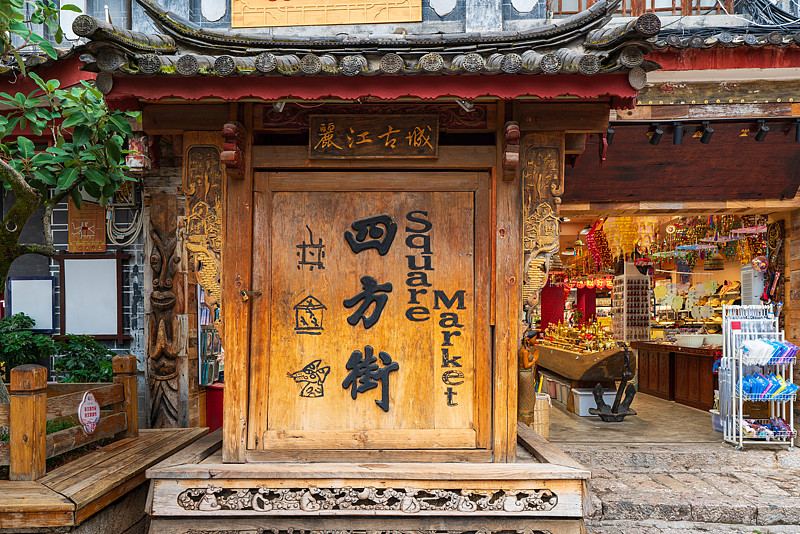
Many visitors assume Lijiang means one old town, but the basin holds several, and Shuhe is the one I recommend to people who want the Naxi atmosphere without the thickest crowds. It sits a short drive north-west of the main Lijiang old town, an older settlement built around clear water lanes and stone bridges, with a quieter, more village-like feel. Reaching it with a Dali Lijiang car rental for foreigners is simple, and the parking and layout make for an easy half-day. I have watched travellers who found the main town too busy relax the moment they walked into Shuhe. Here is how to plan the visit and what makes it different.
Shuhe's place in Lijiang history
Shuhe is among the older settlements in the Lijiang basin and was an early stop on the old tea-horse trade routes, where caravans rested and the Naxi way of life took root. It predates much of the modern tourist development, and the place keeps the memory of that trade in its old square, its wooden houses and the small museum that explains the caravan culture. The layout follows the water rather than the grid of a planned town, and the streams that run through it are fed by the mountains above. Understanding this background turns a pretty walk into a deeper one. A Dali Lijiang car rental for foreigners lets you arrive early, before the day visitors build.
The water lanes and stone bridges
The defining feature of Shuhe is the water. Clear, fast streams run through the heart of the old town, crossed by small stone bridges and lined with willows, wooden houses and terraces built at the water's edge. The Naxi tradition of managing water through the settlement is on show everywhere, and the sound of the streams runs under the whole visit. Wandering from bridge to bridge with no fixed route is the right approach, and the reflections and the light off the water make it a favourite with photographers. The photography guide puts this in context. The lanes are level and walkable, so it suits a relaxed pace rather than a strenuous one.
Driving and parking
Shuhe lies only a short drive from the main Lijiang old town, along clearly marked roads through the basin, and the trip takes little time in ordinary traffic. There is a designated parking area on the edge of the old settlement, and the calm approach is to use it and walk in rather than trying to take the car into the narrow lanes. The parking and shuttle guide explains how this works, and the Lijiang arrival guide helps if you have just collected the car. Start early or come later in the day to keep the visit quiet, and wear comfortable shoes for the stone paths.
The old square and the tea-horse museum
The central square is the natural gathering point, an open space where the old caravan trade once centred and where cafes and shops now sit under the wooden eaves. Nearby, the small museum devoted to the tea-horse road explains the caravan system, the goods that moved along it and the role of settlements like Shuhe, and a short visit is worth making before you wander. The hidden towns guide traces more of these old trade settlements. It is easy to treat Shuhe as merely a quieter photo spot, but the trade history gives it a character distinct from a modern tourist village.
Food, cafes and slowing down
Shuhe has a gentle food and cafe scene, with Naxi dishes such as the local cured meats, freshwater fish and the regional hot-pot style appearing alongside quieter places for tea or coffee by the water. A slow lunch on a terrace above a stream is one of the easy pleasures, and the pace is calmer than the main town. The payment guide covers settling bills, and the larger places handle cards while the smaller stalls appreciate cash. There is no need to rush; sitting with a drink and listening to the water is very much in the spirit of the place.
Comparing Shuhe with the main old town
The two towns reward a comparison, because they show the same Naxi architecture and water culture at different volumes. The main Lijiang old town is larger and busier, with more shops and nightlife, while Shuhe is smaller, older in feel and closer to a working village. Many travellers visit both, using the car for the short hop and giving Shuhe the quieter part of their day. The Lijiang rental guide covers the practical side of basing yourself in the area, and the guesthouse guide helps if you choose to stay in Shuhe itself.
Where to find the quietest lanes
The streams and the square draw the day visitors, and a short walk away from them leads to the calmest parts of Shuhe, where the old town still feels like a village. With a Dali Lijiang car rental for foreigners you can arrive early and reach these lanes before anyone else, which is when the water and the stone bridges look their best. Follow the smaller channels upstream rather than staying on the main path, and the houses thin out into gardens and small fields, with the sound of the water louder than the voices. The outer lanes hold ordinary homes and a few quiet guesthouses, and residents go about their morning without the shops and crowds of the centre. There is no particular sight to find there; the reward is the stillness and the unhurried Naxi life that the busier streets hide. Taking a slow loop out and back gives you both moods, the lively square and the quiet edge, in one easy walk. Keep voices low near the houses, respect the private courtyards and let the streams set the pace, and the older character of Shuhe comes through clearly.
The short version
Shuhe is an older, quieter Naxi old town a short drive from the main Lijiang town, easy to reach with a Dali Lijiang car rental for foreigners. Park on the edge, walk the clear water lanes and stone bridges, visit the old square and the tea-horse museum, and take a slow meal by the stream. It offers the historic atmosphere at a calmer volume. Send me your dates and I will suggest the timing and parking for a relaxed visit, including how to pair it with the main old town without rushing either.
Zara
Yunnan Province International Travel Agency (Group) Co., Ltd.
WeChat/WhatsApp: +86 13759155671
WeChat handle: qxzj7557
Email: [email protected]