Kunming airport car rental for foreigners: picking up your ride before heading west
I pulled into the dedicated rental pickup bay outside Kunming Changshui arrivals last October, the air sharp with leftover mist from the morning mountain rain and the tarmac still glistening under the weak autumn sun. I’d pre-booked the 1.5L VW Lavida, no fancy extras, for the 320km run to Dali, because I knew the winding, gently climbing stretches past Anning don’t need the extra grunt of a larger 4x4 for casual sightseeing. The desk rep walked me through the checklist slow, pointing out every faint scratch on the door sills with a thumb smudged from handling vehicle keys all day, and reminded me the China temporary driving licence would be arranged without me needing to attend in person – a relief after a 12-hour flight from London where I’d slept barely two hours. Yunnan self-drive rental for foreigners has one bottleneck, and this is it.
This is where a lot of first-time overseas visitors get flustered, but the process is straightforward once you know what to expect. The VW Lavida 1.5L and Jetta 1.4T petrol models come in at 260 RMB per day, with a 3,000 RMB rental deposit and unlimited mileage, which works perfectly if you’re not planning to veer off onto rough unpaved high mountain tracks. If you do want to detour up to lesser-known viewing points past Erhai’s northern shore, the Tank 300 2.0T is 400 RMB a day, with a 5,000 RMB rental deposit and a 300 km per day limit. The booking deposit of 600 RMB is non-refundable if you cancel for personal reasons, so I always double check my travel dates are locked in before I confirm. That is the side of Kunming airport car rental for foreigners the brochures leave out.
Yunnan self-drive rental for foreigners works differently to what most of us are used to back home, no hidden fine print buried in 20 pages of terms. The rental deposit gets refunded 5-7 working days after you drop the car back, once the traffic fine check is complete, and insurance includes both compulsory and commercial cover. Minor scratches under 1,500 RMB are paid by the client, anything above that goes through insurance with the client bearing 30%, and scratches that don’t damage the primer are completely free – no downtime or depreciation charges for paintwork or replaced parts, and downtime is waived within 5 days for major damage if you do end up with a bigger issue. If the vehicle breaks down for a mechanical fault, that’s all covered, but towing for a client-caused reason comes out of your own pocket.
Why accessible rest stops matter on the Kunming to Dali route
I learned this the hard way on my first run west, three years back. I’d skipped checking where the accessible toilets were, and my mate who uses a folding wheelchair was stuck waiting 90 minutes while I diverted off the main highway down a tiny county lane to find a public toilet that didn’t have three steep concrete steps leading up to the door. We missed the golden hour light over the western shore of Erhai that day, and I swore I’d never make that mistake again.
The main expressway from Kunming to Dali is well maintained, but a lot of the older rest stops built 15 years ago haven’t been updated, and their toilet blocks still have narrow doorways, no grab bars, and ramps that are so steep you’d need two people to push a chair up them. The newer, recently upgraded stops are clearly signposted, but if you’re not looking out for the right markers you’ll blow straight past them and end up stuck with no usable facilities for 100km.
Here’s what I look for, every time. First, the blue international access symbol stencilled on the main approach sign 500 metres before the stop, not just a tiny sticker stuck on the toilet door that you can’t see until you’ve already pulled in. Second, a flat, barrier-free drop-off zone right outside the main amenities block, no curbs to navigate, wide enough for a car to pull over without blocking the heavy goods vehicles that thunder up and down this route all day. Third, the accessible toilet itself has a wide enough doorway to get a standard wheelchair through, fold-down grab bars on both sides of the pan, and enough space to manoeuvre without banging your elbows on the walls.
I don’t waste time stopping at any rest stop that doesn’t tick all three boxes. The stretch between Kunming and Chuxiong has three of these fully accessible stops, spaced roughly 60km apart, so you never have to drive more than 40 minutes between options. The one at mile marker 172 has a little covered seating area outside the toilets too, where you can pull out a pack of roasted chestnuts you picked up from a roadside stall and sit for ten minutes to stretch your legs, no rush.
Planning your stops to fit the drive, no unnecessary detours
Last spring I did this run with my sister, who has a bad knee that can’t handle uneven ground or steep steps, and we mapped out the stops before we even turned the engine on. We picked up the car at 9am, stopped first at the fully accessible rest stop 62km out of Kunming for a coffee, then pushed on to the second stop just past Chuxiong at the 187km marker for a lunch break – it has a little snack kiosk selling hot crossing-the-bridge rice noodles that are surprisingly good for a motorway stop, no need to divert into the city if you don’t want to.
There’s no need to rush this drive. You can do it in four hours flat if you push, but that’s no fun, you’ll miss all the little views of the red earth hills rolling out to the west, the blossom trees dotted along the roadside in March. Take six hours, stop whenever you want, that’s the whole point of self-drive. If you’re thinking of extending your trip north after Dali, Dali Lijiang car rental for foreigners makes that one-way drop off straightforward too, with a 1,500 RMB one-way return fee if you leave the car in Lijiang instead of bringing it back to Kunming. I’ve done that trip twice, and the stretch between Dali and Lijiang has its own set of accessible rest stops, spaced a little further apart but still easy to spot if you’re watching for the signs.
I made a daft mistake once, on a run back from Dali to Kunming, I tried to use a rest stop that only had the access symbol on the toilet door, and the ramp turned out to be made of loose gravel. My front wheel spun a little, I slid sideways and scraped the lower bumper on a concrete curb. It was a tiny scratch, didn’t even damage the primer, so there was no charge at all. That’s the kind of thing you don’t have to panic about, as long as you know the rules ahead of time.
Navigation is straightforward, the systems set up in the rental cars will show you the marked accessible rest stops if you filter the amenities list, but I still keep a mental note of the three key stops on the Kunming to Dali stretch just in case the signal cuts out in the small mountain passes where the hills block the tower. No one likes being caught short, especially if you’re travelling with someone who has limited mobility, and there’s no reason to end up in that situation if you plan ten minutes ahead before you set off.
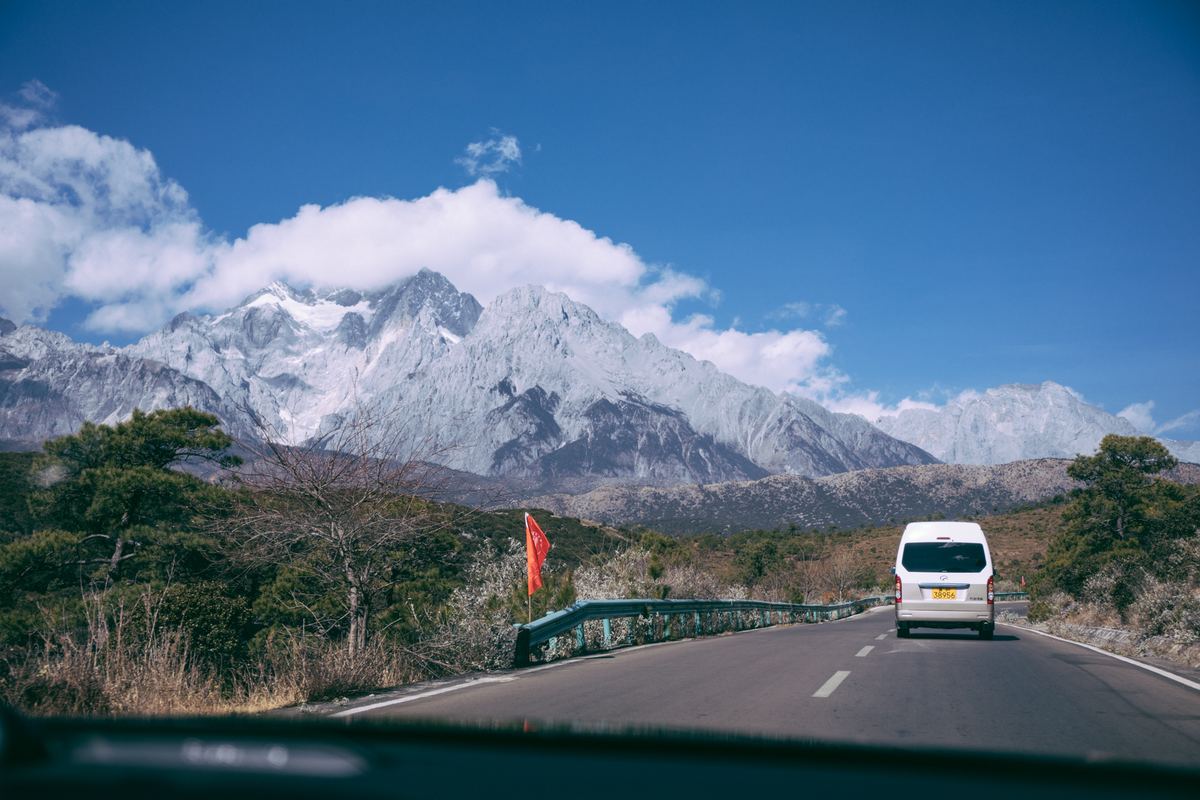
The drive up over the last pass before you drop down into Dali gives you that first view of Erhai, the silver lake spread out below you with the Cangshan mountains rising sharp and hazy blue behind it. It’s the kind of view that makes every minute on the road worth it, and you don’t want to be stressed out about where the next usable toilet is going to spoil that moment.
Yunnan self-drive rental for foreigners is set up to make this kind of slow, thoughtful travel easy, you don’t have to stick to the rigid timetables of group tours, you can pull over whenever you see a little village selling homemade yoghurt by the side of the road, stay an extra hour watching the sunset over the lake, no one is breathing down your neck. Dali Lijiang car rental for foreigners also lets you extend that trip further north whenever you feel like it, no need to head back to Kunming to swap vehicles.
I always tell new travellers to this region to take it slow, don’t try to cram 500km into a single day. The roads are good, the drivers are generally courteous, and the accessible rest stops are there, you just have to know how to spot them. I’ve done this drive more than a dozen times now, and I still find new little spots to pull over that no tour bus ever stops at. That’s the joy of it, really.
Just double check your tyre pressures before you leave the airport pickup bay, make sure your China temporary driving licence paperwork is tucked in the glovebox, and you’re good to go. No hoops to jump through, no unnecessary hassle.