Why This Late Summer Yunnan Wildflower Itinerary Works For Self-Drive Visitors
I was halfway up the 3,200m stretch of tarmac that winds between Lijiang and Shangri-La last August, windows cranked all the way down, when the wind hit. It smelled of pine resin and damp clover and something sweet I couldn’t place, and when I rounded the next bend the whole valley floor below me was carpeted purple and gold. I’d been rushing to make a booked lunch stop, but I pulled over anyway, because there was no way I was passing that view up. That’s the joy of doing this stretch under your own steam, rather than being herded onto a group tour bus that only stops at designated viewpoints. Kunming airport car rental for foreigners has one bottleneck, and this is it.
Late summer, mid-August to early September, is the sweet spot for these high meadows. The monsoon rains have softened the dust, the wildflowers have had three months of sun to push up through the turf, and the plateau hasn’t dropped to the frosty temperatures that turn everything brown come October. This 2-day route doesn’t rush you, it sticks to paved roads that are perfectly manageable for most drivers, and it skips the overcrowded main stops to linger in the less-visited high pasture areas most tourists never see. That is the side of Dali Lijiang car rental for foreigners the brochures leave out.
If you’ve never organised independent travel in Yunnan before, the first thing to sort is your transport. I’ve done this trip three times now, and I’d never bother trying to arrange private transfers or shared vans for this route. Yunnan self-drive rental for foreigners is straightforward once you know the process, and it gives you the flexibility to pull over every five minutes if you spot a patch of alpine roses you want to photograph.
Pre-Trip Rental Prep No One Tells You About
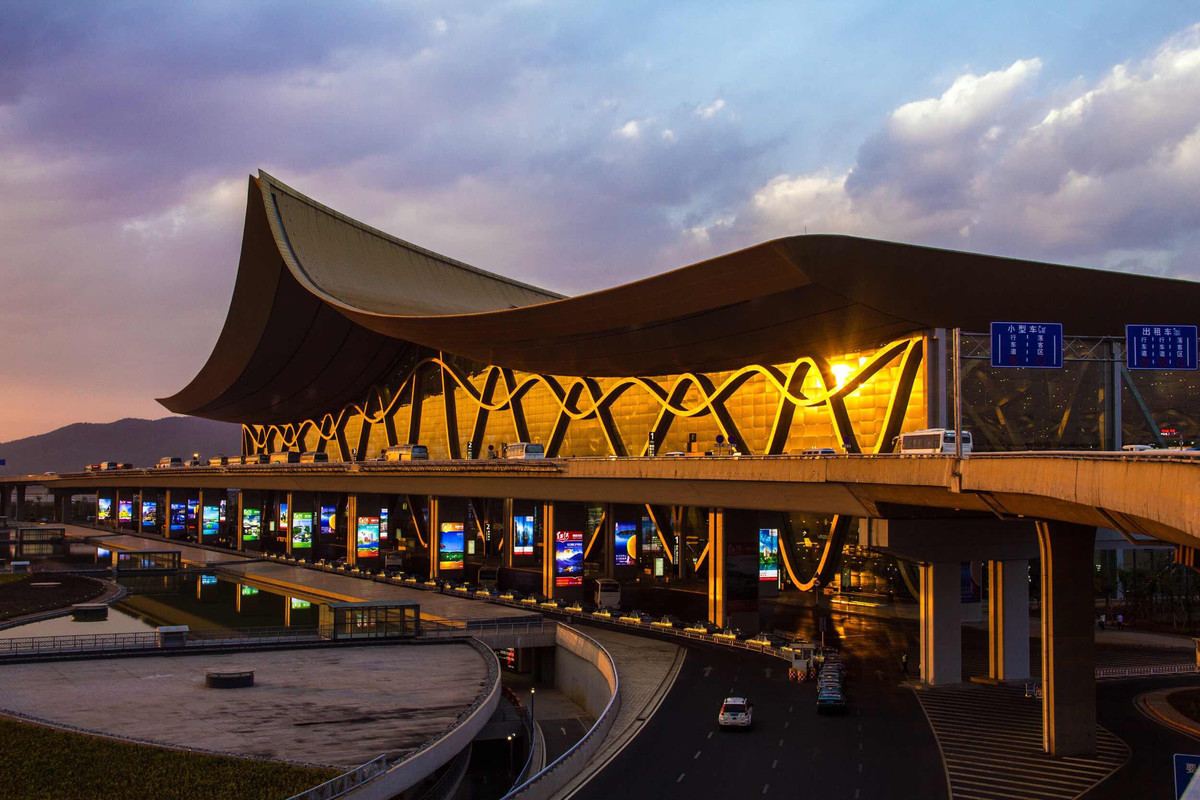
Last time I did this route I flew into Kunming first, spent a day wandering the old town streets eating crossing-the-bridge noodles, then picked up my car to head north. But if you’re short on time, Kunming airport car rental for foreigners is available right at the terminal pickup zone, so you can jump in and hit the road immediately without traipsing across the city to a downtown office. Everyone I know who has dealt with Yunnan self-drive rental for foreigners tripped on this.
You won’t need an international driving permit to drive here, by the way. A China temporary driving licence can be arranged for 1500 without you attending in person, which takes almost all the hassle out of pre-trip admin. I thought that would be a faff the first time I did it, but it was all sorted before I even boarded my flight from Shanghai. The tricky part of Kunming airport car rental for foreigners is always the bit nobody explains.
When you’re picking your vehicle, be realistic about what you need. The roads on this itinerary are all fully paved, so you don’t need a heavy 4x4 unless you plan to detour up some very rough unmarked pasture tracks. The VW Lavida 1.5L or Jetta 1.4T petrol models cost 260 per day, come with unlimited mileage, and the 3,000 rental deposit is refunded 5-7 working days after you return the car once the traffic fine check is complete. If you do want to poke around some of the rougher high meadow side roads, the Tank 300 2.0T is 400 per day, with a 5,000 rental deposit and a 300km per day limit. All vehicles come with compulsory and commercial insurance included, just so you know what you’re covered for before you set off.
A quick word of warning I learned the hard way on my second trip. I scraped the side mirror on a low stone wall while reversing out of a meadow pull-off, and panicked that I’d be hit with a huge bill. Turns out minor scratches under 1500 are paid by the client, damage above 1500 goes through insurance with the client bearing 30%, and scratches that don’t damage the primer are completely free. No downtime or depreciation charges for paintwork or replaced parts, either, and downtime is waived within 5 days for major damage. If the vehicle breaks down for a mechanical reason, that’s covered, but towing for a client-caused reason is at your own expense. I walked away that trip paying barely anything for that scrape, so don’t panic if you make a tiny silly mistake on the quiet back roads.
The 600 booking deposit is non-refundable if you cancel for personal reasons, though, so make sure your travel dates are locked in before you confirm.
I know a lot of people prefer to pick up their car closer to the start of this wildflower route, rather than driving all the way from Kunming. Dali Lijiang car rental for foreigners has options for city or airport pickup, so if you’ve already spent a few days wandering Dali’s Erhai Lake shore you can collect your vehicle in Lijiang and start the itinerary straight from there. The one-way return fee if you drop the car off in Lijiang after starting elsewhere is 1500, which is worth factoring in if you’re building a longer Yunnan road trip.
Day 1: Lijiang to the High Meadow Campsite (Sort Of, But Not Really)
Don’t set off before 9am. I know, you’ll be eager to get on the road, but the early morning mist hangs thick over the first 20km out of Lijiang, and the sunlight hits the wildflower meadows at their best after 10am anyway. I left at 8am last year and spent an hour creeping along behind a slow-moving farm truck loaded with potatoes, and missed the first patch of blue poppies I’d been aiming for.
Head north out of Lijiang, past the turnoff to Jade Dragon Snow Mountain, and keep going up the gradual incline. The first meadows start to show up around the 60km mark, small patches of yellow edelweiss tucked between the pine trees. Don’t stop here. These are the meadows the tour buses pull into, full of groups of people in traditional costume paying for photos with yaks. Keep driving for another 30km, until the road climbs up over a small pass marked with a string of colourful prayer flags, and you’ll see a wide stretch of unbroken meadow spreading out to your left.
Pull in here. There’s a rough gravel pull-off big enough for three cars, and no vendors, no yak photo stands, just grass and flowers stretching as far as the eye can see. Last August I sat down on a flat rock here and counted seven different types of wildflower in a two metre radius: bright blue alpine forget-me-nots, pale purple asters, tiny yellow potentilla, even a few stray pink lilies tucked in the longer grass. A local shepherd walked past with his flock of sheep, nodded at me, and didn’t even try to sell me anything. That’s the spot.
Spend an hour or two wandering here, bring a packed lunch from Lijiang, don’t trample the flowers. The turf is thin up here, it takes years to grow back if you crush it.
From there, keep heading north for another 40km, until you reach the small village that sits at the edge of the larger high meadow that’s your overnight stop. There’s a small family-run guesthouse on the edge of the pasture, no fancy facilities, but they make the best potato and yak butter stir fry I’ve eaten in the whole of Yunnan. You can park the car right outside, no parking fees, and sit outside after dinner watching the sun set paint the distant mountain peaks pink.
Don’t try to drive any further up into the meadow after dark. I tried that once, in a friend’s hire car, and got stuck in a patch of soft boggy grass that had been hidden by the fading light. We had to walk 2km back to the village to get a local farmer with a tractor to pull us out. Embarrassing, and the towing fee came out of my pocket, obviously. Not a mistake I’ll make twice.
Day 2: High Meadow Trails and Slow Drive Back to Lijiang
Wake up at dawn if you can. The early morning light over the meadow turns all the wildflowers translucent, and there’s almost no one else around. I brought a thermos of hot tea with me last time, sat on a stone wall, and watched a herd of wild horses gallop past 100 metres away. No phone signal, no noise, just the wind in the grass.
After breakfast, take the narrow paved side road that loops 15km through the upper section of the meadow. This road is barely wide enough for one car, but it’s surfaced, and it winds past patch after patch of wildflowers that barely any tourists ever see. You’ll pass small wooden summer shelters that local herders use, flocks of sheep and goats wandering loose across the tarmac, and views of the snow-capped peaks that you can’t get from the main highway. Take it slow, there’s no rush, and pull over whenever you see something you want to look at. The whole loop takes a couple of hours if you stop regularly, which you will.
Once you’ve finished the loop, head back down to the main highway, and take the slow road back to Lijiang rather than the newer faster bypass. There are a couple of small roadside tea houses run by Tibetan families where you can stop for a bowl of sweet milk tea, and the views over the gorges are far better on the old road. You’ll be back in Lijiang by late afternoon, in plenty of time to drop the car back off at the rental office.
One last tip before you head out. Make sure you run through the full pickup/return checklist with the rental staff before you drive away, note down any existing scratches on the vehicle, and confirm the navigation is set to the Chinese language maps that work properly on the plateau. The foreign map apps don’t always load correctly up here, and it’s easy to take a wrong turn onto a rough unpaved track if you’re relying on outdated data.
That’s all there is to it. No complicated logistics, no rushed stops, just two days of slow driving through some of the prettiest wildflower meadows in China. I’ve done this trip four times now, and I still notice a new patch of flowers or a new view every time I go.