Many first-time visitors to China worry less about traffic rules and more about the small stuff: how to pay at a gas station, where to leave the car in front of an old town, and whether an EV rental is worth it. We have driven hundreds of foreign guests on this route, so here are the practical answers.
1. Gas stations: 92 vs 95
China has two main chains, PetroChina and Sinopec, plus Shell and Total at the roadside. Search "gas station" in Amap or Baidu Maps to see prices and locations.
All our rental cars run on petrol:
- Volkswagen Lavida / Jetta: 92 is fine, check the label inside the fuel flap.
- Tank 300 SUV: factory recommends 95, but 92 works and only slightly reduces power.
The process is simple: drive in, turn off the engine, tell the attendant "92, full" or "200 yuan", then scan the QR code next to the pump with WeChat or Alipay. No need to go inside or apply for a fuel card. Cash or credit cards are also accepted at county-level stations and above.
A few practical notes:
- No phone calls or smoking at the pump, this is a national rule.
- Some stations ask for ID; show your passport and temporary driving licence, it takes a minute.
- Small remote stations may be cash-only; keep 300-500 RMB handy.
- 92 is around 7.8 RMB/litre and 95 around 8.3 RMB/litre, cheaper than in Europe or the US.
2. Parking on highways and in cities
On Yunnan highways there is a service area every 50-80 km with toilets, food, shops and fuel. Parking is free. Stop every two hours for a 15-minute break.
In cities there are three types of parking:
- Street-side marked bays: scan the QR code on the spot to pay.
- Mall / scenic-area lots: take a ticket at the gate, pay at the self-service machine before leaving.
- Hotel lots: usually free for guests, just give the front desk your plate number.
Ancient towns like Dali and Lijiang are pedestrianised; park in the outer lot and walk 5-10 minutes in, costing 20-30 RMB per day.
3. Why we do not rent EVs
China is the world's largest EV market, but for Yunnan road trips we stick to petrol for three reasons:
- Mountains and altitude drops cut EV range by 30% versus the rated figure.
- Charger density between cities (e.g. Lijiang to Shangri-La, 180 km) is far lower than in eastern China.
- If you run out of charge in the mountains, recovery costs us much more than with a petrol car.
If you rent an EV from another platform, keep it around Kunming or Dali; do not take it to high-altitude destinations like Shangri-La or Deqin.
4. Common pitfalls
- Do not wait for the fuel warning light. Some stretches between Shangri-La and Deqin have no stations for tens of kilometres; fill up whenever you see one.
- Petrol and diesel nozzles are different; our cars take petrol, look for the "汽油" label.
- Remember to switch off the headlights after parking; many Chinese cars do not turn them off automatically.
- Do not drive into Lijiang or Dali old towns; the streets are narrow and one-way.
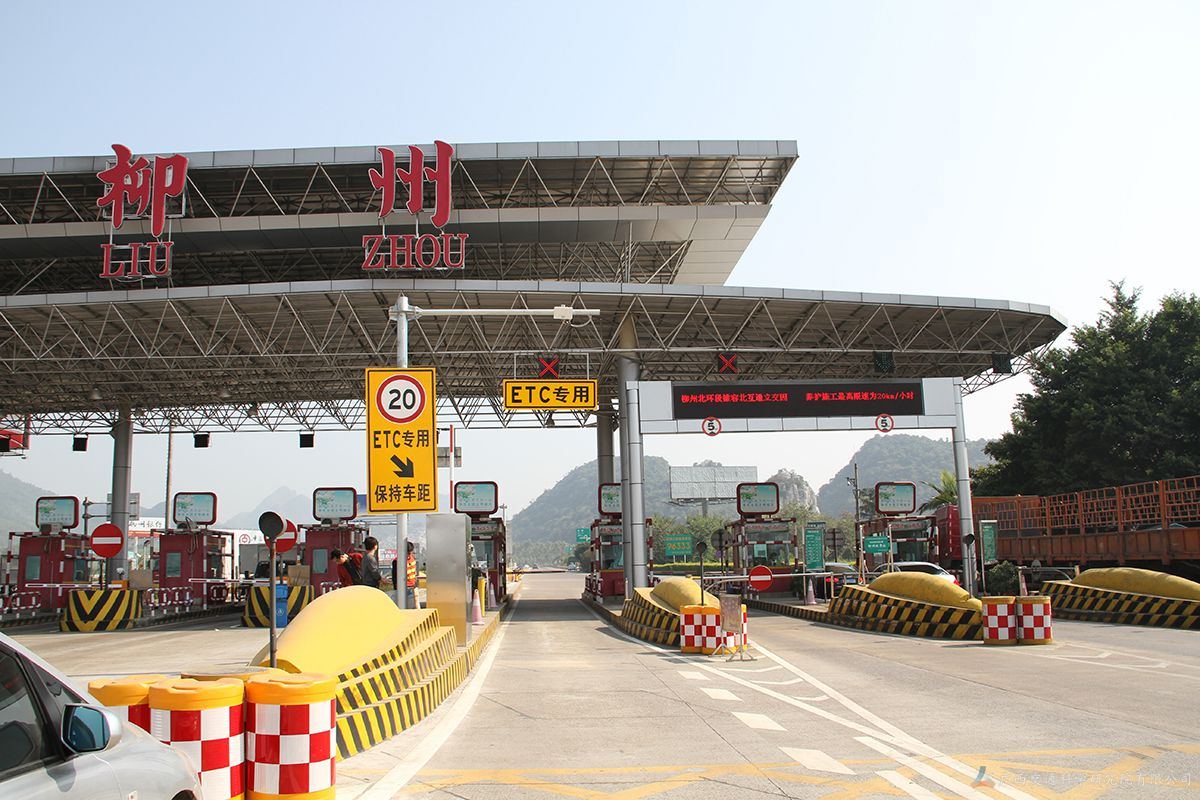
- Use the manned toll lane, not ETC; ETC lanes only work with Chinese transponders.
5. Need help on the road?
During your rental, message us on WeChat qxzj7557 for anything: navigation, finding a gas station, or recovery. We drive these roads every week, so we can solve it faster than you figuring it out alone.