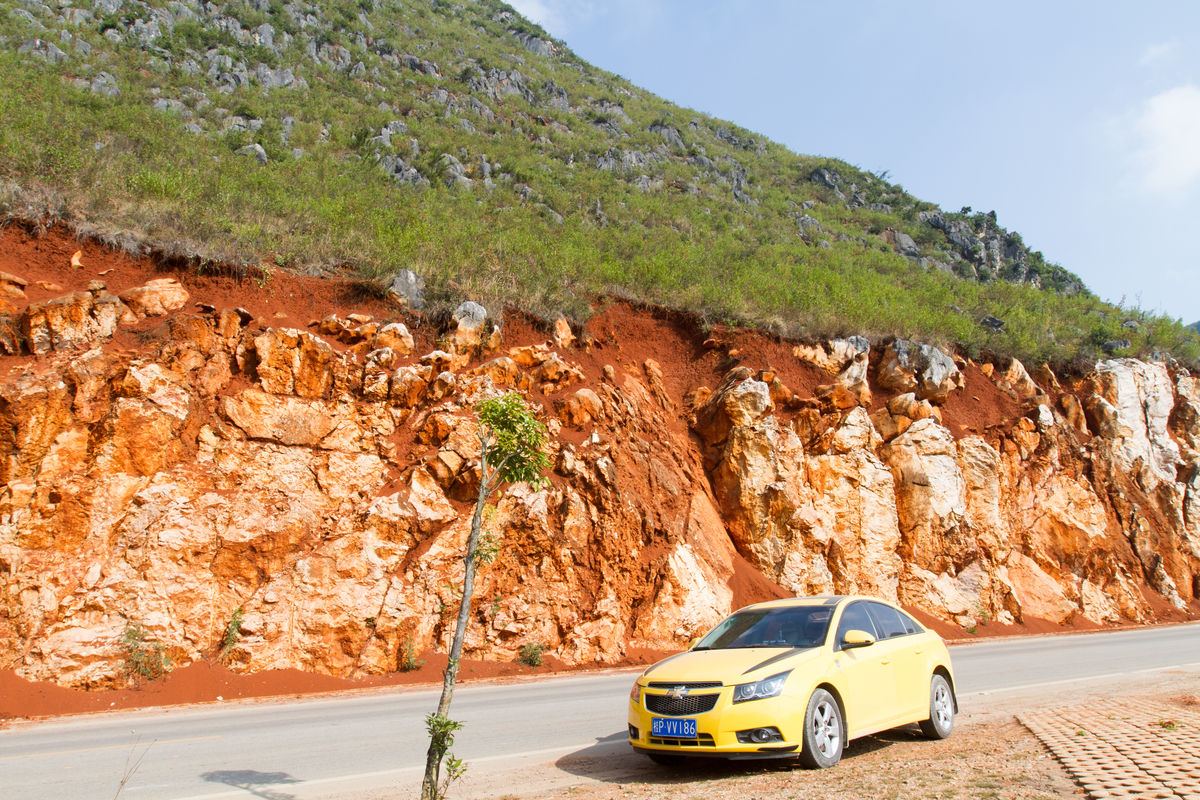
A self-drive trip and a drone are made for each other. Some of the footage I am proudest of from years of travelling China is the aerial stuff: a single saloon tiny on a mountain road, a lake ringed by hills, a village at first light. But flying here is not the free-for-all some visitors assume, and the rules are taken seriously. If you want to bring a drone and keep both your footage and your holiday intact, here is what I have learned the practical way.
Can you even bring a drone?
Yes, travellers bring consumer drones into China for personal use, and a rental car is a genuinely convenient way to carry one because the case stays in the boot rather than on your back all day. The practical squeeze is the batteries, not the aircraft. Lithium drone batteries must travel in your carry-on luggage, not in the hold, and airlines have their own limits on the number and the watt-hour rating, so check your airline before you pack and keep the batteries in their fire-safe bags. Charge them the night before a planned flight rather than leaving them fully charged for days.
Registration and the rules
China operates a real-name registration system for drones above the very small toy category, and there are defined rules for where civilian drones may operate. The detail can change and the exact thresholds are worth confirming close to your trip, so rather than quote a number from memory, I tell people to check the current civil-aviation guidance and use the official app that shows the airspace. We can point you to the current process when you book. The broad principle is simple: drones are treated as aircraft, and flying somewhere controlled is not a matter of apologising afterwards.
Where you simply do not fly
This is the part that keeps you out of trouble. There is no flying near airports or along approach paths, and no flying over military sites, government buildings, prisons, power plants and other sensitive infrastructure. Dense city centres, large crowds and major events are generally off limits, and the border regions, including parts of Xinjiang and Tibet, have tight restrictions that you should not test. Many scenic areas have their own rules, sometimes an outright ban, sometimes a designated zone; always look for the signs or ask at the ticket office rather than assuming a beautiful view means it is allowed. When in doubt, do not launch.
Where the rental car opens things up
The advantage of driving is that you can reach the quiet, open countryside where flying is usually straightforward and the scenery is better anyway. Empty reservoirs, rural valleys and quiet roads at dawn are where I get my cleanest shots, with fewer people and fewer restrictions. Plan the flights around the route rather than detouring into a controlled city for a clip. Keep the drone within your line of sight, stay well below any posted altitude limit, and land the moment another aircraft is anywhere nearby.
Flying etiquette and safety
Be considerate, because a noisy drone hovering over people's homes or a temple does nobody any favours and feeds the impression that foreign travellers ignore local rules. Give people privacy, avoid flying directly over individuals, and ask before filming a small village or a homestay. Watch the weather, because mountain wind can appear in seconds and gusts are the commonest way a drone ends up in a tree or a lake; if the app warns of strong wind, land. Carry spare props and a cleaning cloth, and keep the case secured in the boot so it does not slide around on bends.
Storage and the practical kit
Think about how the footage gets home. Bring enough high-capacity memory cards and a portable drive, and back up the day's flights each evening rather than risking everything on one card. A car charger or a power bank for the controller is handy on long legs. For staying connected while you scout locations, the SIM and signal guide helps, and the navigation apps guide covers finding those quiet spots. The wider traffic rules for foreign drivers and the best driving routes are worth reading alongside this.
Common beginner mistakes
Having watched plenty of first-time drone pilots, the same errors recur. The commonest is poor battery management: pushing for one more shot until the battery is nearly empty, which is how forced landings happen in awkward places. Set a conservative return threshold and bring the drone back while there is comfortable charge left. The second is forgetting to set the home point, so if the link drops the aircraft does not know where to return; refresh it every time you move the car. Cold mountain air also drains cells faster than the on-screen estimate suggests, so treat the remaining percentage with caution. Keep the props clear of fingers on launch, wait for a GPS lock before flying, and do not fly backwards over ground you have not checked, because unseen branches are the usual cause of a crash. None of this is complicated; it is mostly about not being greedy with the footage.
My advice
Bring the drone, but treat the rules as part of the kit: register as required, keep batteries in carry-on, never fly near airports or sensitive and border areas, check each scenic spot's own rules, and use the rental car to reach open countryside where the flying and the views are both better. If you tell me your route before you travel, I will flag the spots that are drone-friendly and the ones to leave alone.
If you are arranging a trip, this photography spots guide explains the practical steps.
Zara
Yunnan Province International Travel Agency (Group) Co., Ltd.
WeChat/WhatsApp: +86 13759155671
WeChat ID: qxzj7557
Email: [email protected]