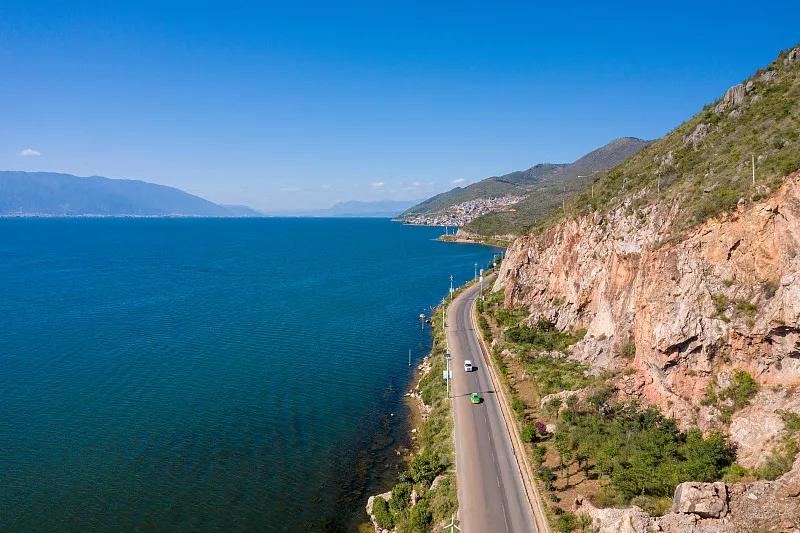
Last spring, I stepped off a flight from Bangkok into Kunming’s Changshui Airport, the smell of damp pine and steamed rice noodles hitting me before I’d even cleared customs. I’d spent three weeks planning a Yunnan trip that skipped the crowded Dali and Lijiang loops most overseas travellers default to, and my first stop was the car rental desk right by the arrivals exit. If you’re reading this, you’re probably the kind of traveller who’d rather wind down a rural road than jostle for space on a tour bus, and this route—from Kunming to the karst lakes of Puzhehei and the hidden cave village of Bamei—was made for slow, self-directed travel. I’m writing this from hard-won experience, including the time I scraped a rental car on a stone wall and learned exactly how the damage rules work, so you don’t have to make the same missteps.
Sorting Yunnan self-drive rental for foreigners before you leave the airport
I’ll cut to the part most guides skip: you don’t need to bring any special driving permit from home to get on the road here. When I leant on the rental counter last March, the agent slid a clipboard across and said they could arrange a China temporary driving licence for 1,500 RMB, no in-person visit required on my end. I’d spent an hour on the plane worrying about red tape, and it turned out the whole process took 10 minutes once I handed over my UK driving licence.
Pickup and return right at Kunming airport car rental for foreigners is the most straightforward option, especially if you land tired after a long flight. I picked a VW Lavida 1.5L petrol for 260 RMB a day, with a 3,000 RMB rental deposit and unlimited mileage—perfect for the winding rural roads ahead, no need to stress about clocking extra kilometres on detours. If you’re travelling with a group and want higher ground clearance, the Tank 300 2.0T is 400 RMB a day with a 5,000 RMB deposit, though it comes with a 300km per day limit; that’s only worth it if you’re sticking to shorter daily drives, in my book.
Let me save you the post-trip headache I almost had. I scraped the Lavida’s passenger side on a rough stone wall outside a village homestay on day three, the scratch thin enough that you could barely see it in daylight. The agent told me scratches that don’t damage the primer are completely free to fix, and minor scratches under 1,500 RMB come out of my pocket, while damage over that amount is covered by the included compulsory and commercial insurance, with me only covering 30% of the cost. No hidden downtime charges, no random depreciation fees on paintwork, which was a huge relief. The rental deposit gets refunded 5-7 working days after I drop the car back, once they run a check for any unpaid traffic fines. Just remember: if you cancel for personal reasons, the 600 RMB booking deposit is non-refundable, so lock in your dates as firmly as you can. If the car breaks down for a mechanical fault, the rental team covers all costs; if you get stuck because you drove off a marked road and tore a tyre, you’ll cover the towing bill yourself.
The 5-day route: slow drives through karst peaks and cave villages
I deliberately skipped the usual Dali Lijiang car rental for foreigners starting point for this trip, because those highways get so busy during peak season you’ll spend half your time stuck behind tour buses. This route is quieter, greener, and lets you stop whenever you see a view worth pulling over for.
Day 1: Kunming to Puzhehei, 280km
I pulled out of the airport parking lot at 9 a.m., the city’s morning mist still hanging over the highway as I headed east. The drive takes about four and a half hours, mostly smooth motorway until you turn off towards Puzhehei, where the road narrows and karst peaks start popping up on the horizon like green sugar cones. I checked into a lakeside homestay just as the sun was setting, the water turning tangerine as cormorant fishermen glided past on bamboo rafts. I ate a bowl of spicy rice noodles for dinner, sitting on the wooden deck as fireflies started blinking in the reeds. No tour groups here, just the sound of frogs.
Day 2: Slow loop around Puzhehei
I didn’t rush this day. I drove the 30km loop around the lake, stopping at every small pier to watch lotus farmers tend to their crops. I pulled over at a tiny tea house run by an elderly Yi woman, who poured me a cup of bitter wild tea and told me stories about the lake freezing over in the coldest winters. The Lavida handled the narrow, bumpy village roads easily, no need for a 4WD here. I parked for free by the trailhead for the karst cave hike, spending two hours walking through stalactite-lit tunnels before heading back to the homestay.
Day 3: Puzhehei to Bamei Village, 160km
This is my favourite stretch of road. You leave the motorway behind, winding up through rolling hills where farmers grow sugarcane, the air getting warmer as you drop down into the valley. Bamei is the village you see in old travel films, tucked inside a giant cave entrance, accessible only by small wooden rowboat. I parked the car at the designated lot just outside the cave mouth, paid the small entry fee, and climbed into a flat-bottomed boat that glided through the dark, 800m long tunnel. When we emerged on the other side, the village was quiet, mud-brick houses surrounded by paddy fields, no cars allowed inside. I stayed the night in a family home, eating home-cooked cured pork and listening to the villagers sing around a fire.
Day 4: Bamei back to Jianshui, 220km
I left Bamei at 8 a.m., rowing back through the cave tunnel before the midday crowds arrived. The drive to Jianshui is gentle, with plenty of pull-offs to stop and take photos of the terraced fields. I spent the afternoon wandering Jianshui’s ancient town, walking the old stone bridge over the river and eating freshly baked tofu from street stalls. I parked the car in the town’s public lot for the night, no issues at all.
Day 5: Jianshui back to Kunming, 200km
The drive back to Kunming takes about three and a half hours, giving you plenty of time to stop at a roadside market to buy dried flowers or wild honey before you drop the car back at the airport. I handed the keys over at 2 p.m., the agent doing a quick walkaround of the car, no hidden charges. I made my flight back to Bangkok with plenty of time to spare.
A few blunt tips I wish someone had told me before I went
Don’t try to cram too much driving into one day. The rural roads here are beautiful, but they’re slow, and you’ll miss half the view if you’re rushing to hit a kilometre target. If you do decide to extend your trip to Dali or Lijiang later, just remember the one-way return fee for dropping the car off in Lijiang is 1,500 RMB, so it’s worth comparing costs before you commit. Most rural parking lots are free, just make sure you don’t block village lanes when you pull over for photos. And pack a light jumper—even in spring, the mountain passes get chilly when the sun goes down.