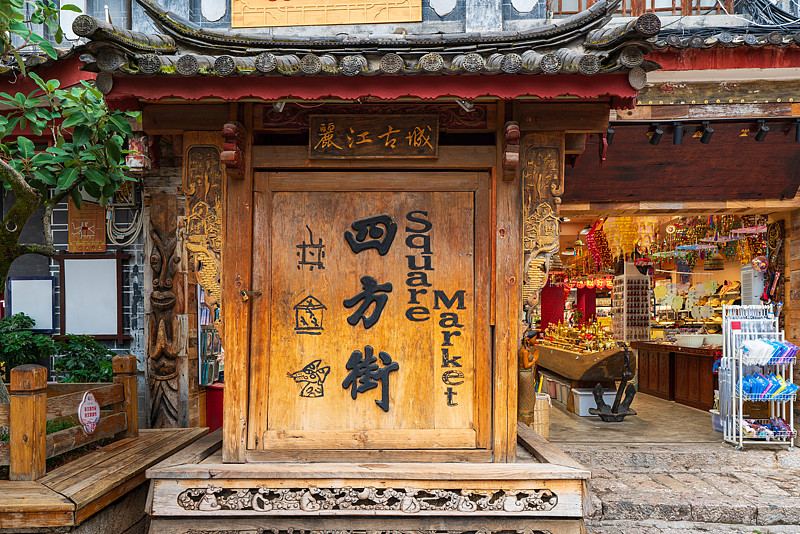
One of the quiet pleasures of driving this region is eating where the locals eat rather than where the coaches stop. The Dali and Lijiang area has a strong regional food identity, split between the Bai cooking around the lake and the Naxi dishes of the Lijiang basin, and the morning markets are the best way into both. A Dali Lijiang car rental for foreigners lets you follow the food from village to village on your own timing. I have always thought the markets tell you more about a place than its monuments. Here is how to approach the food, what to look for and how to pay without fuss.
The morning markets as the entry point
The markets are where the region's food begins, with farmers bringing the day's vegetables, herbs, bean curd and meat, and stalls cooking hot snacks for the early crowd. Xizhou and the older towns have particularly good ones, and wandering the aisles gives you the full range of local ingredients in one place. The Xizhou guide covers its market. Eat where there is a queue of local people, which is usually a reliable sign of fresh, honest food, and take the chance to try the small snacks rather than committing to one dish. The payment guide explains how the local apps work, and carrying a little cash helps at the smaller stalls.
Bai cooking around Dali
The Bai table leans on the lake and the farmland, with fresh Erhai fish, seasonal vegetables, cured ham and the rushan cheese that is unique to the region. The flavours tend to be clean and balanced, making the most of fresh ingredients rather than heavy spice, and the dishes often carry a gentle sour or herbal note. The Shuanglang guide points to the lakeside places that cook the fish well. Rushan cooked over coals and the Xizhou baba are the easy snacks to start with, and a shared meal of several small dishes gives you the breadth of the cuisine rather than a single plate.
Naxi dishes around Lijiang
The Lijiang basin has its own tradition, with the Naxi kitchen favouring cured meats, freshwater fish, the warming hot-pot style and a range of herbal dishes suited to the cooler highland air. The Shuhe guide and the Baisha guide cover the quieter towns where the local food is kept simple. The regional hot pot, with its broth and shared cooking, suits a relaxed evening, and the cured meats reflect the older way of preserving food through the cold months. As with the Bai food, the ordinary local eateries rather than the tourist-front places tend to give the more genuine version.
Snacks, street food and what to try
The snack culture is the easiest way to sample broadly without a big budget. The Xizhou baba, grilled rushan, fresh tofu, noodle bowls and the sweet and savoury pastries all appear at markets and small shops, and eating a little as you walk makes a relaxed day of it. If you have allergies or dietary needs, learn the relevant phrases or carry a note, since the ingredients are not always listed in English. The language guide helps with communication. Choose food that is cooked hot and fresh in front of you, and exercise the usual care with raw or unpeeled items.
Linking food with the driving route
The road trip lets you build a loose food route, taking a market in the morning, a village lunch and a town dinner rather than eating every meal in one place. The stops along the Dali to Lijiang corridor, including Heqing and the shore villages, each add their own specialities. The Heqing guide and the Erhai guide map the route. Keep the driving days unhurried so a long lunch never feels rushed, and the navigation guide keeps the small villages easy to find. Food is a good reason to choose the slower road.
Drinks, tea and local produce
Beyond the food, the region has a tea culture tied to the old trade routes, and sitting through a quiet pot of local tea is part of the experience. The markets also sell the area's fruit, nuts and dairy, which make easy provisions for the road. The Eryuan guide covers the dairy-producing valley. Bottled water is widely available, and the local coffee scene in the tourist towns is decent if you want a familiar cup. Take local produce with you for the scenic drives rather than relying only on roadside stops.
Eating with the seasons
The regional cooking follows the land and the time of year, and eating with the seasons is the way to taste it at its best. With a Dali Lijiang car rental for foreigners you can follow the produce as it changes, taking the fresh greens and wild herbs of the wetter months and the cured meats and root vegetables of the cooler season, rather than ordering from a fixed tourist menu. A Dali Lijiang car rental for foreigners lets you reach the village markets on their own days, where the morning's pick is sold before the heat, and the stallholders can point you to what is at its peak. The lake and the rivers give fish in their season, and the high pastures produce the dairy and the rushan that the Bai table is built around. Eating what grows nearby, at the time it is ready, gives simpler, cleaner flavours and supports the farmers directly, and it also makes each stop feel different across the route. Asking what is fresh rather than asking for a named dish is the local habit, and a little curiosity over the market stalls leads to the most memorable meals, often cooked with ingredients that were still growing that morning.
The short version
The Dali and Lijiang road trip rewards eating through the markets and the simple local eateries, with Bai dishes around the lake and Naxi cooking in the basin, all easy to reach with a Dali Lijiang car rental for foreigners. Start at the morning markets, follow the local crowds, try the regional snacks and keep a little cash and the payment apps ready. Send me your dates and any dietary needs, and I will build a relaxed food route that fits the driving, so you eat well rather than settling for the tourist-front places.
Zara
Yunnan Province International Travel Agency (Group) Co., Ltd.
WeChat/WhatsApp: +86 13759155671
WeChat handle: qxzj7557
Email: [email protected]