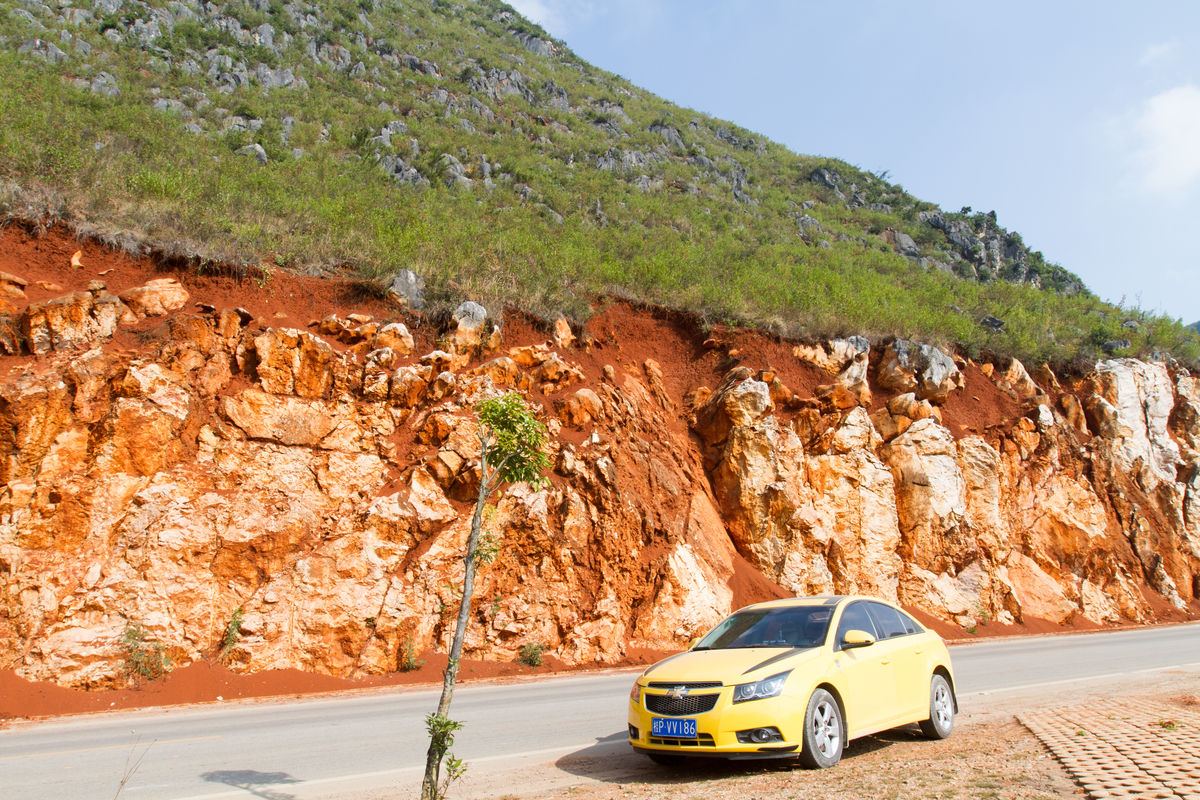
My First Scrape Up a Lijiang Valley Viewpoint: Don’t Treat These Roads Like British B-Roads
I was halfway up a rutted stretch above a village of Naxi wooden homes last autumn, white knuckles clamped around the steering wheel of a 1.5L VW Lavida, before I realised I’d messed up completely. The tarmac had petered out 2km back, replaced by loose shale that skittered under the tyres every time I touched the brakes, and the drop to my left was so steep I couldn’t see the valley floor through the pine mist. I’d done plenty of rural driving back home in the Peak District, but nothing prepared me for the way the road tilted without warning, or the local farmer on a moped who rounded a hairpin so fast I had to reverse 3 metres into a tiny cutout to let him pass. I’d set out that morning thinking I knew what I was doing, but by the time I pulled over to catch my breath, I’d already learned three hard rules that have stuck with me every time I head up those remote side roads since. Yunnan self-drive rental for foreigners has one bottleneck, and this is it.
The first is that slow is not enough — you have to choose your line before you hit the rough patch. On the paved sections between Dali and Lijiang, it’s easy to slip into the habit of cruising at 60km/h, watching the jade curve of Erhai Lake slip past your window, but as soon as you turn off the main highway towards those little-known viewpoints that don’t show up on tourist bus itineraries, you need to drop speed to 20km/h max. The Lavida’s low clearance will bottom out on hidden rock ledges if you pick the wrong line, and there’s no mobile signal for most of these routes, so you can’t call for help easily if you get stuck. That is the side of Kunming airport car rental for foreigners the brochures leave out.
Prep Your Rental Before You Leave The Pavement Behind
When I first started planning Yunnan self-drive rental for foreigners trips a few years back, I used to just grab the keys, do a quick walk around for obvious dents, and head off. That mistake cost me 45 minutes of fumbling with a loose spare tyre once, on a slope so steep I was scared the car would roll back into the gully. Now I do a full 10-minute check before I even leave the pickup point, no matter how eager I am to get going.
If you’re picking up from the airport, Kunming airport car rental for foreigners packages come with both the smaller petrol saloons and the more robust 4x4 options, and it’s worth being honest about what you plan to use the car for. The 1.5L VW Lavida or 1.4T Jetta, at 260 RMB a day with unlimited mileage, are perfectly fine for most main roads and even gentler unpaved tracks, but if you know you’re heading up to the highest, rockiest valley viewpoints above 2800m, the 2.0T Tank 300 at 400 RMB a day is a far more forgiving bet. It has the clearance to bounce over loose shale without scraping the sump, and the extra torque means you won’t stall halfway up a steep gradient when the air gets thin. There’s a 300km per day limit on the Tank 300, but if you’re sticking to day trips out of Lijiang that’s more than enough to cover all the remote routes. Everyone I know who has dealt with Yunnan self-drive rental for foreigners tripped on this.
Don’t forget that a China temporary driving licence can be arranged for 1500 RMB without you needing to attend in person, so you don’t have to waste a morning sorting paperwork out before you hit the road. The rental deposit is 3000 RMB for the saloons, 5000 RMB for the 4x4, refunded 5-7 working days after you return the car once the traffic fine check is complete, and all vehicles come with compulsory and commercial insurance included. Quick note on the damage rules, because I’ve seen new visitors get caught out here: minor scratches under 1500 RMB are paid by you, damage above that goes through insurance with you bearing 30%, but any scratches that don’t damage the primer are completely free. There are no downtime or depreciation charges for paintwork or replaced parts, and downtime is waived within 5 days for major damage, so you don’t have to panic if you pick up a tiny stray scratch from a passing thorn bush on a narrow lane. The tricky part of Kunming airport car rental for foreigners is always the bit nobody explains.
Adjust Your Habits For Unpaved Mountain Tracks
I was with a friend last spring who’d just got his Dali Lijiang car rental for foreigners booking sorted, and he kept trying to brake hard every time he hit a patch of loose gravel. The back of the car slid right out on him once, and we ended up half on the verge, heart thudding, before he corrected it. That’s the number one mistake new drivers make on these roads — you never brake hard on loose surfaces. Slow down gradually, using engine braking as much as possible, so the tyres don’t skid out from under you.
There are no crash barriers on 90% of these remote side roads. None. You’ll round a hairpin and the edge will just drop away, unmarked, and the only warning you get is a small cairn of stones that local herders stacked to mark the edge. I don’t recommend trying to overtake anything on these stretches — not a tractor, not a herd of goats being herded across the track, not even a slow cyclist. Wait until you hit a wider, straight patch, and make absolutely sure there’s nothing coming the other way before you move out. Visibility is almost always limited by the pine trees and the curve of the hill, and local drivers who know the roads well come flying around bends far faster than you’d expect.
Another trick I picked up from a Naxi driver I shared a tea with at a roadside stall last year: if you meet another vehicle on a stretch too narrow for two cars, the car that is facing downhill should reverse. It’s far easier to control a car rolling slowly downhill than one fighting to reverse up a steep, slippery gradient, and everyone local follows this unwritten rule. I’ve seen two visitors argue for 10 minutes over right of way, blocking the whole track, before a group of villagers had to step in and sort it out. Just follow that unspoken convention, and you’ll avoid all that hassle.
Keep your tyres a little softer than you would on tarmac, too. Not so soft you risk a puncture, but 10-15% below the recommended highway pressure, so they grip better on loose shale. I keep a small pressure gauge in the door pocket of every rental I take now, and I drop the pressure as soon as I turn off the main road, then pump them back up again before I head back onto the highway.
Final Small Things No One Tells You Before You Set Off
Navigation works fine on these back roads, but don’t rely on it 100%. Last month, my navigation tried to send me down a track that had washed away in summer rains, and I only stopped because I saw a local grandmother shaking her head at me from her doorway. If you’re not sure which fork to take, stop and ask. Almost everyone in the mountain villages knows the state of the roads that day, and they’ll happily point you the right way, often inviting you in for a cup of butter tea while you stop.
One-way return fees are 1500 RMB if you want to pick up in Dali and drop off in Lijiang, or vice versa, which is handy if you don’t want to retrace your steps along the lake shore. The 600 RMB booking deposit is non-refundable if you cancel for personal reasons, so it’s worth locking your dates in once you’re sure of your travel plans. If the vehicle breaks down for a mechanical reason, that’s all covered, but towing for a client-caused issue is at your expense, so it pays to take it slow and avoid pushing the car over terrain it can’t handle.
I still get that little jolt of adrenaline every time I round a blind hairpin and see the whole Lijiang valley spread out below me, the tiled roofs of the old town glinting in the sun 1000 metres down. Those viewpoints are worth every tense minute on the rough roads, but you won’t get to enjoy them if you rush, or treat the track like a smooth British country lane. Take your time, watch the road ahead, and stop whenever you want to — there’s no rush up there, and the views are better when you’re not white-knuckling the steering wheel.