First Steps at Kunming Airport for Accessible Self-Drive
I pulled up outside Kunming Changshui’s arrivals hall last October, the air sharp with the faint, sweet tang of nearby pine forests and the kind of bright plateau glare that makes even polarised sunglasses feel like a necessity, not a luxury. I was meeting a friend who uses a wheelchair, and we’d sorted our Kunming airport car rental for foreigners a week prior, after months of digging for reliable info on accessible parking across Yunnan’s scenic routes. The pickup spot is right by the short-stay car park, no long trek across distant service lots, which was a huge relief — no one wants to fumble with transfer ramps and luggage on a busy drop-off kerb where buses keep edging too close. Yunnan self-drive rental for foreigners has one bottleneck, and this is it.
We’d gone for the VW Lavida 1.5L that day, 260 RMB a day, no hidden mileage limits, and the team had already fitted a temporary modified hand control ahead of our arrival, no extra hoops to jump through. The China temporary driving licence was arranged for 1500 RMB without either of us needing to attend in person, which saved us half a day of admin that we would have rather spent drinking milky tea at a roadside stall near the lake. The rental deposit for that model is 3000 RMB, refunded 5-7 working days after we dropped the car back once the traffic fine check clears, and all the insurance documentation was laid out clearly on the dashboard, no fine print we had to squint to parse. That is the side of Dali Lijiang car rental for foreigners the brochures leave out.
I’d made a daft mistake on a previous trip, turning up with no clue where the designated accessible bays were located in the airport’s public lots, and ended up wedged across two regular spaces while my friend struggled to get their chair out without getting clipped by passing cars. Don’t be me. The official accessible bays at Kunming airport are marked with bright blue paint, 1.2 metres wider than a standard parking space, right next to the lift lobbies that lead straight to arrivals and departures. No one will ticket you if you’re parked correctly, but stray even half a foot over the line into a neighbouring bay and the traffic wardens do make their rounds, I saw that happen to a German couple in a hired SUV the same day we arrived. Everyone I know who has dealt with Yunnan self-drive rental for foreigners tripped on this.
Mapping Accessible Bays Along the Dali Stretch
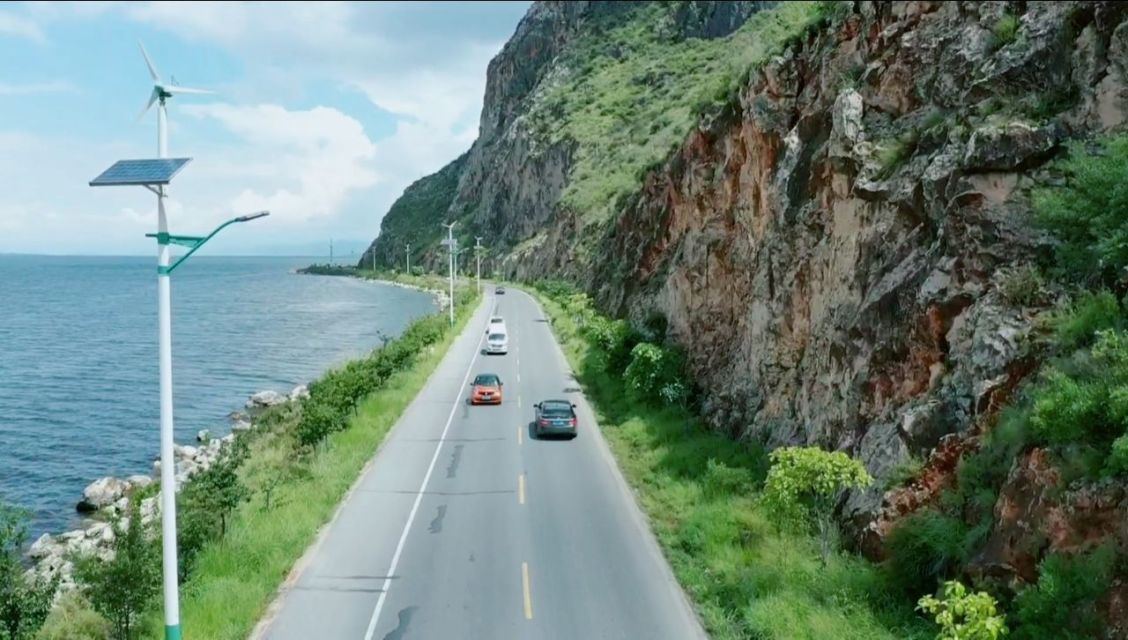
Heading west out of Kunming on the highway to Dali, the road curls up through terraced rice fields that were golden and ready for harvest when we passed through, the air warming as we dropped a little in elevation towards Erhai Lake. This is where Dali Lijiang car rental for foreigners routes really start to show their charm, but I’d be lying if I said all the parking at the popular scenic stops was well signposted first time around. The tricky part of Kunming airport car rental for foreigners is always the bit nobody explains.
We pulled over at the first overlook that gives you a full view of Erhai’s glinting blue surface, and at first I couldn’t spot any accessible spaces at all. I was about to reverse out and drive another 10 minutes down the road when I noticed a small, slightly faded blue sign tucked behind a bush, pointing to a separate small parking area around the back of the visitor centre. The bays there are extra wide, laid out flat with no cobblestones to catch the wheelchair wheels, and there’s a direct ramp up to the lakeside promenade that most first-time visitors never find. That’s the trick with a lot of these older scenic spots: the accessible parking isn’t in the main crowded lot right by the ticket booth, it’s around the side, and you often have to follow the small, easy-to-miss signs rather than just following the stream of other tourist cars.
We spent two days pottering around Dali’s old town, and the best accessible parking spot we found was near the west gate, not the main south entrance that everyone flocks to. The tarmac is smooth, no potholes, and the ramp leading into the old town’s pedestrian zone is wide enough to manoeuvre a wheelchair without having to ask strangers for a hand. I’d skip parking anywhere near the south gate entirely if you’re travelling with a wheelchair user, the ground is uneven cobblestones, the bays are narrow, and half the time there’s street vendors’ carts parked half in the space so you can’t open the doors all the way.
One thing I will flag: if you’re thinking of taking the Tank 300 2.0T up some of the rougher side roads, that’s 400 RMB a day with a 5000 RMB rental deposit, and it’s got the clearance to get you to some of the more remote viewpoints that the smaller Lavida can’t reach, just remember it’s subject to a 300 km per day limit. We didn’t need it on this trip, but I’ve used it before for steeper routes up towards the high meadows, and the extra space inside makes stowing a bulky wheelchair far easier than in the smaller saloon.
What to Watch For Between Dali and Lijiang
The highway north to Lijiang winds through hills dotted with white-washed Bai villages, and the sun was low and golden when we pulled into the car park at the foot of the Cangshan Mountain cable car station. The accessible bays here are clearly marked, right next to the ticket office ramp, but they fill up fast by 10am most days, so aim to arrive before 9 if you can. We got there at 9.15 and the only remaining accessible bay was the very last one, tucked right next to the disabled toilet block, which worked out perfectly for us.
A lot of people doing Yunnan self-drive rental for foreigners for the first time don’t realise that some of the smaller, family-run restaurants along this stretch don’t have designated accessible parking, but most will happily let you pull right up onto their flat paved forecourt if you explain you’re travelling with a wheelchair user. We stopped for a bowl of crossing-the-bridge noodles at a tiny spot half an hour outside Lijiang, and the owner waved us straight past the full main car park to a spot right outside their front door, no questions asked.
We had a minor mishap on that stretch, a tiny scratch on the Lavida’s bumper when I misjudged a narrow gap between two parked cars. It was well under 1500 RMB, so we just noted it on our rental check sheet, no faff, no extra hoops. The rules are straightforward: minor scratches under 1500 RMB are paid by the client, damage above that goes through insurance with the client bearing 30%, and any scratches that don’t damage the primer are completely free. No downtime or depreciation charges for paintwork or replaced parts, and downtime is waived within 5 days for major damage, which takes a huge weight off when you’re travelling somewhere unfamiliar.
Lijiang and Beyond, Up Towards Shangri-La
We dropped down into Lijiang’s old town at midday, the wooden tiled roofs glowing in the sun, and the main car park outside the new town’s east gate has some of the best maintained accessible bays we saw on the whole trip. They’re clearly signposted, wide, and there’s a free electric buggy that runs from the parking area straight to the old town’s accessible ramp, so you don’t have to wheel 500 metres along a busy main road.
If you’re planning a one-way trip, say picking up in Kunming and dropping off in Lijiang, the one-way return fee is 1500 RMB, which is well worth it if you don’t want to drive all the way back south to catch your flight. We considered that on this trip, but we wanted to take a slow detour up to Shangri-La, so we looped back down to Kunming at our own pace. The roads up towards Shangri-La get a little steeper, and the air gets thinner, but all the main scenic stops along the way have accessible parking bays, even if some of them are a short distance away from the main visitor centre. We stopped at a viewpoint overlooking the Jinsha River, and the accessible bay was 20 metres from the edge, flat, no gravel, so my friend could roll right up to the barrier to look down at the rushing brown water far below.
One tip I picked up on an earlier trip: if the vehicle breaks down for a mechanical reason, the rental team covers it, but towing for a client-caused reason is at the client’s expense, so take it slow on the uneven gravel side roads if you don’t have the higher clearance of the Tank 300. I pushed my old saloon too hard on a rough track once and got stuck in a rut, and had to wait two hours for a tow truck, which ate into a whole afternoon we’d planned to spend hiking around a meadow. Don’t make that same call unless you’ve got the right vehicle for the terrain.
Booking deposits are 600 RMB, non-refundable if you cancel for personal reasons, so it’s worth locking your dates in once you’re sure of your travel plans, especially in peak season when the accessible modified vehicles get snapped up fast. We saw three separate groups turned away from the rental desk on the day we arrived because all the adapted cars had already been booked out for the next week.
We rolled back into Kunming airport’s car park seven days later, sunburnt, full of too many bowls of spicy Yunnan food, and my friend had a whole camera roll full of photos of Erhai Lake and the snow-capped peaks in the distance. The return check was quick, we walked around the car, noted the small scratch I’d picked up outside Dali, and handed the keys back. No awkward haggling, no hidden fees, just the quiet hum of other arrivals pulling into the kerb outside.
You don’t have to plan every single minute of this trip, but taking 10 minutes before you set off to note down the locations of those slightly hidden accessible parking bays will make the whole drive so much smoother. No one wants to spend 45 minutes circling a crowded car park looking for a spot wide enough to get a wheelchair out, and the last thing you want on a holiday as beautiful as this is unnecessary stress.