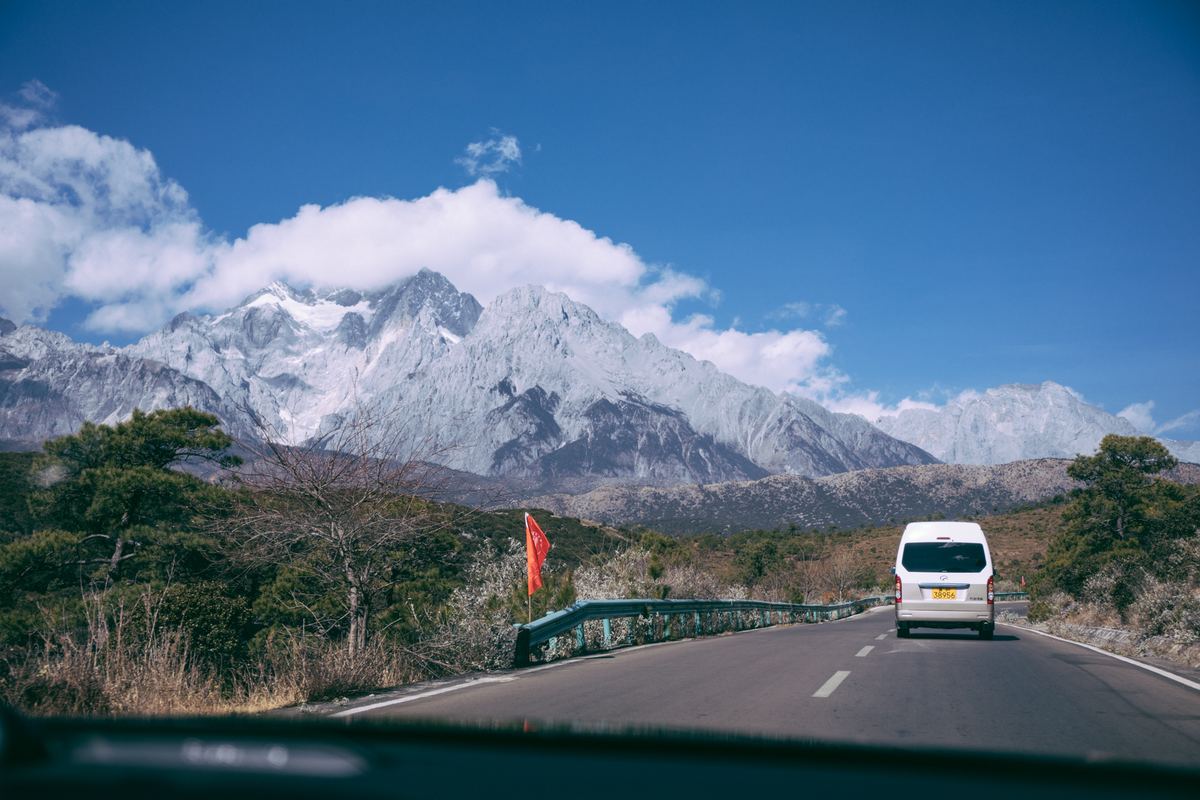
Last October, I pulled over at 3,200m on the twisty climb between Dali and Lijiang, wind biting through my fleece as the sun dipped behind the Cangshan range. My phone was at 12%, the nearest service station was 40 minutes back down the mountain, and I realised I’d stuffed nothing more than a half-eaten pack of nougat into the boot of my rental VW Lavida before setting off.
That slow, cold wait for assistance stuck with me. For anyone doing Dali Lijiang car rental for foreigners to explore Yunnan’s plateau roads, a well-packed emergency kit isn’t a nice-to-have. It’s the difference between a minor hiccup turning into a hours-long, teeth-chattering detour.
Why the standard rental kit often falls short on Yunnan’s roads
When I picked up my Lavida from Kunming airport at the start of that trip, the agent walked me through the included compulsory and commercial cover, the 3,000 RMB rental deposit refunded 5-7 working days after return, and the basic triangle and hi-vis vest tucked under the passenger seat. Useful, sure. But those basics aren’t built for 2,000m altitude drops, sudden autumn hailstorms on the road to Shaxi, or the long, unlit stretches along Erhai’s west shore where mobile signal cuts out for 10km at a time.
I’ve run Yunnan self-drive rental for foreigners trips long enough to know most travellers pack for sightseeing, not for the 3am flat tyre on a frost-covered pass. The rental car itself comes with solid cover: minor scratches under 1,500 RMB are paid by the driver, damage above that goes through insurance with a 30% client excess, and mechanical breakdowns are covered by the rental provider. But cover only helps if you can actually wait safely for help to arrive.
What I always pack in my own emergency kit now
I don’t carry the bloated, overpriced roadside kits sold at tourist shops in Lijiang’s old town. My bag is pared down to what I’ve actually needed on the road, split into rough categories:
- Warm layers and a blanket: The temperature at 3,000m can drop 15 degrees in an hour once the sun sets. I keep a thin emergency blanket and a spare wool jumper in the boot, even in summer. Last June, a friend doing Kunming airport car rental for foreigners got caught in a random summer hailstorm halfway to Dali, and sat shivering for 90 minutes while the rental team sorted a tow. She’d left all her warm layers in a hostel in Kunming, and it took her three days to shake off the cold.
- Water and non-perishable snacks: I don’t mean fancy energy bars. Bottled water, a pack of hard biscuits, even a couple of tins of sweet corn. You never know when a road closure on the way to Shangri-La will leave you parked in a queue for two hours.
- Portable power bank: Not the tiny 5,000mAh one that dies in an hour. A 20,000mAh unit, fully charged before every trip. Navigation eats battery fast on winding plateau roads, and you don’t want to lose your phone entirely when you’re pulled over with a puncture.
- Basic first aid: Plasters for blisters from walking around old town cobblestones, paracetamol for altitude headaches, antiseptic wipes. I’ve seen too many travellers ignore the early signs of mild altitude sickness, then end up stuck in the car with a throbbing head for half the drive.
I keep the rental’s included triangle and hi-vis vest exactly where the agent showed me, too. No point moving them. If you break down, you need to put that triangle 50 metres behind the car on bends, so drivers coming around the corner have time to react. I learned that the hard way on a wet stretch near Erhai, when I almost stepped out to wave down a passing truck before remembering how little visibility there is on those misty lakeside roads.
Kit choices for different rental vehicles
Not every car on the Yunnan rental fleet is the same. If you book a VW Lavida 1.5L or Jetta 1.4T petrol, at 260 RMB a day with unlimited mileage, you’re sticking mostly to paved highways around Dali, Lijiang and Kunming. Your kit doesn’t need to be heavy. The basics, a warm layer, and you’re set.
If you opt for the Tank 300 2.0T, at 400 RMB a day with a 300km per day limit, you might be heading up rougher side roads towards Shangri-La’s alpine meadows. I’d add a small shovel and a bag of cat litter for traction, in case you slip off the tarmac onto a frosty grass verge. I tried that once, two years ago, driving a Tank 300 on a dirt track near Tiger Leaping Gorge. Got one wheel stuck in soft mud, and spent 20 minutes piling loose stones under the tyre before we could pull free. No one was around to help. That’s the thing about those quiet alpine roads — you can go hours without passing another car.
One quick note: if you’re doing a one-way drop, like picking up in Dali and returning in Lijiang, remember the 1,500 RMB one-way return fee. And if you need a China temporary driving licence, the rental team can arrange that for 1,500 RMB without you needing to attend in person — no faffing around at local transport offices.
What not to waste space on
I don’t carry a full set of car tools. I’m not a mechanic. If there’s a mechanical fault, the rental provider covers it, and they’ll send someone out to sort it. Towing for client-caused damage is at your expense, sure, but you’re not going to fix a broken gearbox by the side of the road with a spanner set. Save the boot space for things that actually help you wait comfortably.
I also don’t pack those fancy emergency jump leads, unless I’m driving in the depths of winter. Most rental cars are well maintained, and a flat battery is rare enough that the leads just take up space. I’d rather have extra water and a thicker blanket.
That October evening I mentioned earlier? The assistance team showed up an hour later, heated engine bay ticking as they pulled up behind me. I sat in their van drinking lukewarm tea, and realised I’d been an idiot for not packing even a basic layer. Now I don’t leave Kunming airport without that kit stowed in the boot. It’s not glamorous. But it makes those long, winding drives between Dali and Lijiang feel a lot less risky, when you know you’re prepared for whatever the plateau throws at you.