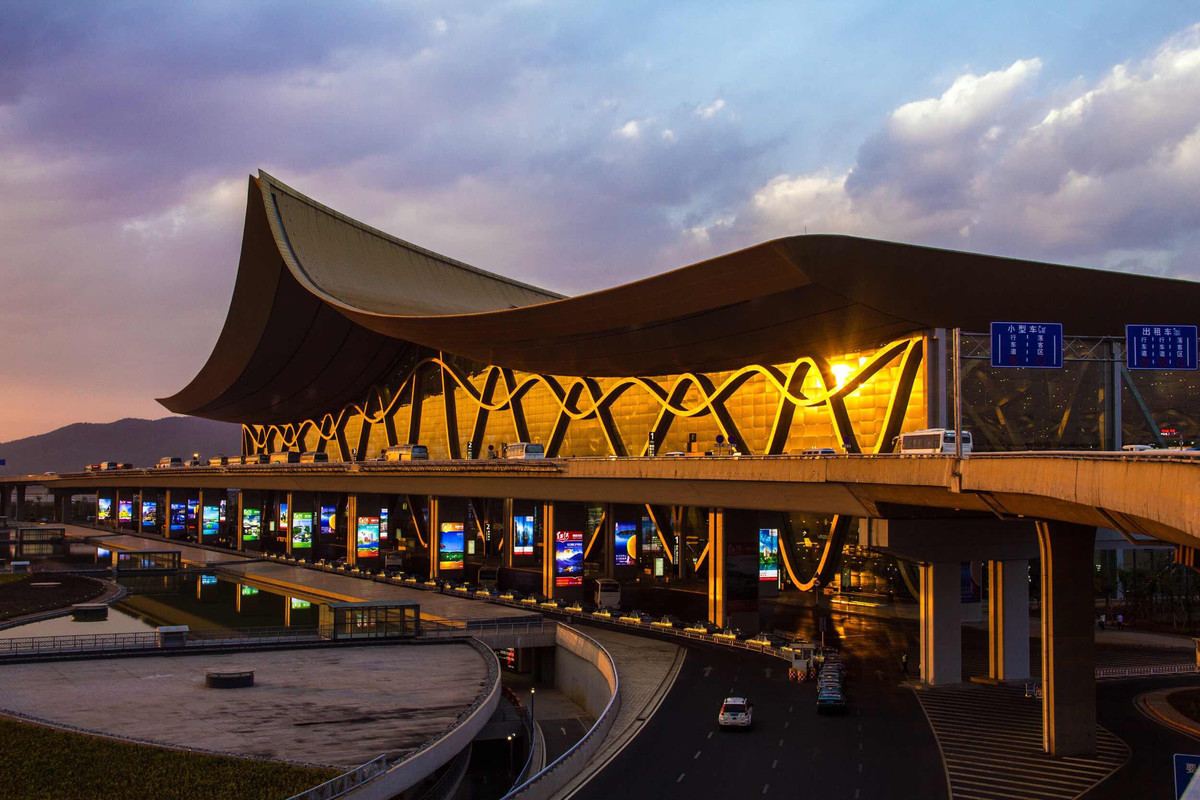
I’d spent three days winding between Bai villages and lakefront cafes in Dali when I finally turned onto the Cangshan mountain access road last autumn. The tarmac glinted silver in the late October sun, pine resin smelled sharp enough to taste, and I immediately realised I’d misjudged how much slower the climb would feel compared to the flat, open roads along Erhai Lake. If you’re planning a Yunnan self-drive rental for foreigners across this part of southwest China, the single most useful thing I can tell you is that the speed limits on this mountain road are not arbitrary — they’re written for the fog, the hairpins, and the occasional herd of goats that wanders around blind corners.
Why this road demands slower speeds than you might expect
The Cangshan access road climbs roughly 1,800 metres from the lakeside up to the mountain pass, and the weather shifts faster than you can adjust your wipers. On my first trip up, I set off in bright, clear sunshine 20 minutes from Dali old town, only to hit a wall of thick mist halfway up that dropped visibility to less than 30 metres. A local driver in a white Jetta pulled up alongside me at a pull-off, rolled down his window, and said, in slow, deliberate English, “You go too fast. Fog comes quick here.” He was right.
The recommended driving pace on this stretch is 30–40 km/h for the steepest, tightest sections, and 50–60 km/h on the wider, straighter lower slopes where you can see 100 metres or more of road ahead. I’d rather crawl at 35 km/h around a bend than skid on damp leaf litter left by last night’s rain. There are no crash barriers on the sharpest outer edges, and the drop down to the valley is steep enough to give you pause if you take a corner too wide.
Picking the right rental car for Dali-Lijiang mountain roads
When I booked my trip, I picked up my vehicle at Kunming airport car rental for foreigners, driving the 320km west to Dali over a full day to break up the journey. The fleet available for local rental across Yunnan is straightforward: no electric vehicles, just petrol models that handle the high altitude reliably. For most visitors sticking to paved roads between Dali, Lijiang and Shangri-La, the VW Lavida 1.5L or Jetta 1.4T makes perfect sense. It costs RMB 260 per day, comes with a RMB 3,000 rental deposit, and includes unlimited mileage — ideal if you want to stop at every small tea house and viewpoint along the way without tracking kilometres.
If you plan to detour onto rougher side roads off the main Dali-Lijiang route, the Tank 300 2.0T is a solid upgrade at RMB 400 per day, with a RMB 5,000 deposit and a 300km per day mileage limit. I spoke to a group of Australian travellers who took one up to the higher meadows off the Cangshan road last year; they said the extra ground clearance made a huge difference on the rutted dirt pull-offs, though they noted the daily mileage cap meant they had to plan their route more carefully to avoid overage fees.
One practical note: if you pick up in Dali and drop off in Lijiang, expect a one-way return fee of RMB 1,500. It’s worth it if you don’t want to double back, but it’s not a small line item to miss in your budget. A China temporary driving licence can be arranged for RMB 1,500 without you needing to attend an office in person, which removes a lot of the friction of organising paperwork before you set off.
How rental deposits and insurance actually work
I’ve seen too many travellers get caught out by hidden damage charges on rental trips, so I paid close attention to the terms when I picked up my Jetta last year. Your rental deposit — RMB 3,000 for the Lavida/Jetta, RMB 5,000 for the Tank 300 — is fully refunded 5–7 working days after you return the car, once a check for any unpaid traffic fines is complete.
The included insurance covers both compulsory and commercial cover, but there are clear excess rules you should know before you sign the paperwork:
- Minor scratches under RMB 1,500 are paid directly by you, the renter.
- Damage above RMB 1,500 goes through insurance, and you cover 30% of the cost.
- Scratches that don’t penetrate the paint primer are fixed for free, with no extra downtime or depreciation charges for paintwork or replaced parts.
- If the car breaks down due to a mechanical fault, the rental provider covers it. If you cause the breakdown — say, by scraping the undercarriage on a rocky dirt track — towing costs come out of your pocket.
On my way back down the Cangshan road, I scraped the front bumper on a loose stone at a pull-off. The scratch was shallow, didn’t reach the primer, so I didn’t pay a penny for it when I returned the car in Dali. I was lucky; I’d seen another visitor accidentally dent a rear door on a wooden gate in a narrow Lijiang alley, and that repair ran just over RMB 1,500, so they covered 30% out of pocket. It’s a small reminder that narrow old-town streets require the same slow, careful pace as the mountain road.
Practical tips for your Dali-Lijiang self-drive route
When you’re planning Dali Lijiang car rental for foreigners, don’t forget the small, practical details that make the trip smoother. You can pick up and drop off your car either at the airport or at a city office — I picked up at Kunming airport, which saved me an extra 40-minute taxi ride into the city centre before starting my drive west.
Navigation is straightforward once you’re on the main highways, but on the Cangshan access road, phone signal drops out for 10–15 minute stretches around the steepest bends. I’d recommend saving your route offline before you climb, so you don’t get lost trying to find the turnoff to the popular cloud-view platforms. Parking is free at most designated pull-offs, but it fills up fast on weekends and national holidays — I got to the best viewpoint at 8am on a Saturday, and by 8:45am the lot was full of tour vans.
One last thing: if you need to cancel for personal reasons, the RMB 600 booking deposit is non-refundable. I booked my trip three months in advance to lock in the car I wanted, and it meant I had plenty of time to sort the temporary driving licence paperwork without rushing.
The Cangshan road isn’t a race track. It’s a slow, beautiful climb through pine forest and cloud, and the best views come when you’re going slow enough to roll down the window and smell the air. Stick to the recommended speeds, pick the car that matches your route, and you’ll have a far better trip than if you’re rushing to tick every viewpoint off your list.