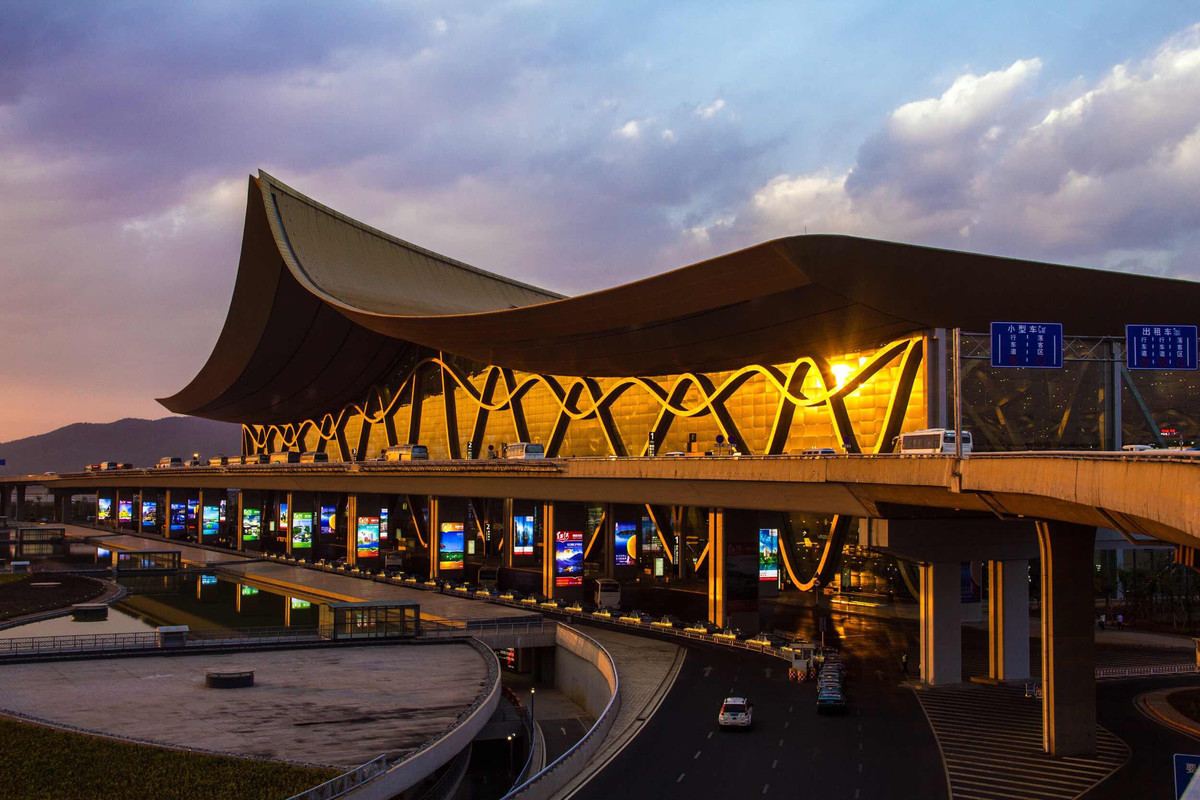
I’ve lost count of how many times I’ve had to pull over on the G214 between Dali and Lijiang, leaning over a guardrail with my head spinning, while my travel mate rummages through the bag for ginger candies. The high-altitude switchbacks of Yunnan are stunning, but they hit people prone to motion sickness hard — and if you’re planning to handle Yunnan self-drive rental for foreigners for your own trip, getting the daily driving distance right is the difference between enjoying the view and spending the whole ride staring at your shoes.
Why daily distance matters more than you think
Most guidebooks will tell you to cram as much driving as possible into each day, to tick off as many viewpoints as you can. I tried that on my first trip, back in 2019. I’d picked up a car right after landing, did Kunming airport car rental for foreigners on a crisp October morning, and immediately set off for Dali, planning to cover 320km in one straight shot. The first hour was fine, cruising through the flat farmland outside Kunming. But once the road started climbing towards the mountain passes, the constant left-right-left bends got to me. By the time I hit the Chuxiong service area, I could barely keep down the breakfast bun I’d grabbed at the airport.
The thing no one tells you about Yunnan roads is that it’s not just the total kilometres — it’s how many of those kilometres are tight, unguarded switchbacks with no straight stretches to let your inner ear reset. For someone who gets motion sickness easily, 200km of smooth, straight highway is way easier to handle than 120km of winding mountain road. That’s the rule I live by now.
What daily distance works for motion sickness-prone travellers?
On my last trip, I was travelling with a friend who gets carsick even on short, smooth drives back home in London. We did Dali Lijiang car rental for foreigners when we landed in Dali, and mapped out our days to keep driving to a level she could handle. The sweet spot we landed on? 100-150km of driving per day, with built-in 20-minute stops every hour, no exceptions.
Let me break down what that looked like for us, because it worked way better than my first rushed trip:
- Day 1: Pick up the car in Dali, drive 40km to Erhai Lake’s east shore. Stop every time we spotted a nice viewpoint, wander around, let the stomach settle. We spent the whole afternoon by the lake, no rush.
- Day 2: Drive 120km from Dali old town to the foot of Jade Dragon Snow Mountain, near Lijiang. We split that drive into three 40km chunks, stopping at small tea houses and roadside villages along the way. My friend didn’t feel sick once, even on the winding bits near the pass.
- Day 3: Just 30km of driving total, from our guesthouse near the snow mountain into Lijiang old town. We took it so slow we stopped twice to watch farmers harvest corn by the road.
I’m not saying you can’t cover longer distances if you’re feeling okay. But if you know you get motion sickness, don’t push it. I once tried to do the stretch from Lijiang to Shangri-La in one go, 170km of constant bends climbing up to 3,200m. Even I, who only gets sick on really twisty roads, had to stop twice to catch my breath. That route is beautiful — but it’s not a one-shot drive for anyone prone to queasiness.
Choosing the right rental car makes a huge difference
When you’re sorting out your rental, don’t just pick the cheapest option. The vehicle you drive changes how easy the ride feels. On our last trip, we went with a VW Lavida 1.5L petrol, which cost RMB 260 per day with unlimited mileage. It’s a smooth, stable saloon, easy to handle on winding roads, and the ride isn’t bumpy enough to jostle a sensitive stomach. We put down a RMB 3,000 rental deposit, which got refunded 6 working days after we dropped the car back, once the traffic fine check was done.
I considered the Tank 300 2.0T once, for a trip to a rougher stretch of road near Shangri-La. It’s RMB 400 per day, with a RMB 5,000 deposit, and comes with a 300km per day limit. It’s a tough, capable 4x4, but the higher ride height makes the sway on mountain bends feel more noticeable — not ideal if you get motion sickness easily. If you do go for it, remember the 300km daily cap, because going over that will add extra costs you don’t want to deal with when you’re already feeling queasy.
One thing to sort out before you go: a China temporary driving licence can be arranged for RMB 1,500, no in-person attendance needed. Don’t leave this to the last minute — sorting it ahead means you can pick up the car straight after landing without delays.
Small tricks that make the drive way easier
Over the years, I’ve picked up little hacks that cut down on motion sickness way more than any over-the-counter pill. Sit in the front passenger seat, not the back. Keep the window cracked an inch, even if the mountain air is cold. Don’t look down at your phone — keep your eyes on the road ahead, focus on the distant horizon. Skip the heavy, oily roadside meals before a long drive; a light snack of fruit or plain bread is way easier on the stomach.
We also made sure to plan our routes to hit the twisty bits in the morning, when we were both well-rested and had eaten a light breakfast. Save the short, flat drives for the afternoon, when energy dips and queasiness is more likely to creep in.
And don’t forget: if you’re dropping the car off in a different city than where you picked it up, there’s a one-way return fee of RMB 1,500, for example if you pick up in Dali and drop off in Lijiang. Factor that into your budget, so you’re not caught off guard.
At the end of the day, Yunnan isn’t a place to rush. The best parts of the trip aren’t the viewpoints you tick off a list — they’re the random stops at a roadside stall selling fresh roasted walnuts, the half-hour chat with a local farmer leaning on his fence, the slow drive along Erhai as the sun sets pink over the water. If you’re prone to motion sickness, slow down. Keep daily driving to 100-150km, stop often, and pick a smooth, stable car. You’ll enjoy the trip way more than if you’re white-knuckling the wheel, counting down the kilometres until you can pull over.