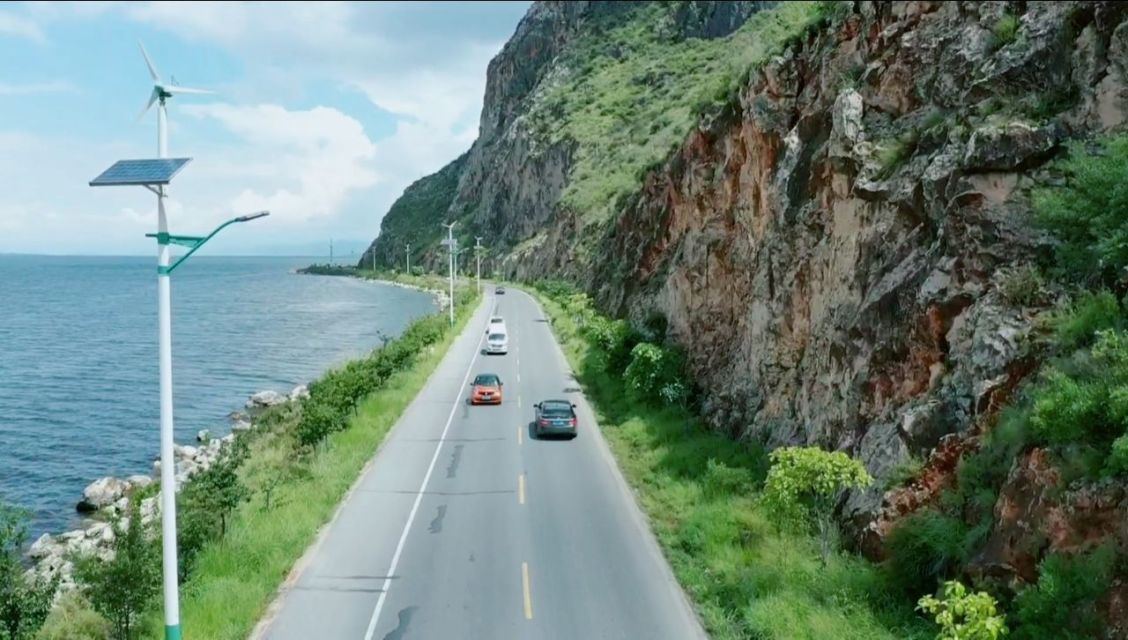
Last spring, I wound up the hairpin bends of the Yunnan plateau in a petrol-powered Tank 300, pine scent sharp through the open window, tarmac still glistening from a morning rain shower. I’d picked up the car at Kunming airport two days prior, bound for Dali then Lijiang, and I’d nearly skipped reading the fine print on my rental contract until a fellow traveller warned me that a single scrape on an unguarded mountain bend could cost me far more than the day’s rate if I’d missed the damage clauses.
For anyone planning Yunnan self-drive rental for foreigners, the contract isn’t just a formality—it’s the line between a smooth, unforgettable trip and a nasty surprise when you return the keys.
Start before you pick up: the basics that shape your damage cover
I’d sorted my China temporary driving licence ahead of time, arranged for 1,500 RMB without needing to attend an office in person, which saved me fumbling with paperwork at the airport counter. When I arrived for Kunming airport car rental for foreigners, the agent walked me through the two vehicle options first, and I’m glad I asked about the daily limits before I signed.
The VW Lavida 1.5L or Jetta 1.4T petrol runs 260 RMB per day, with a 3,000 RMB rental deposit and unlimited mileage. That’s the pick if you’re sticking to the gentler roads around Erhai Lake in Dali, pottering between old towns and lakeside viewpoints. I almost went for it, until I remembered the stretch from Lijiang up to the higher plateau passes, where the Tank 300 2.0T feels far more sure-footed. It costs 400 RMB per day, with a 5,000 RMB rental deposit, but it comes with a 300 km per day limit—easy enough to stick to if you’re not rushing between stops, but worth noting if you plan to cram in long detours. If you’re dropping the car off in Lijiang instead of looping back to Kunming, there’s a 1,500 RMB one-way return fee, which I factored into my budget early on.
None of these details are hidden, but they all tie back to how damage claims work later. Don’t gloss over them.
The damage clauses you must read twice for mountain driving
Half the time I spent at the pickup counter wasn’t checking the car for dents—it was leaning over the contract, running through every damage-related line with the agent, who patiently nodded as I fired off questions. Mountain roads in this part of Yunnan throw up all sorts of scrapes: loose gravel flicked up by passing trucks, narrow pull-ins where you clip an unmarked stone curb, even the occasional overhanging branch that drags along the roof. You need to know exactly what you’re on the hook for.
Minor scratches: where the client’s responsibility starts and ends
The first clause I pinned down was the threshold for small damage. Minor scratches under 1,500 RMB are paid by the client, full stop. That sounds steep until you realise scratches that don’t damage the primer are completely free—no charge at all. I learned this the hard way on my second day out, when I pulled into a tiny tea house car park outside Dali and scraped the rear bumper on a low stone wall. I panicked a little, until I ran a finger over the mark and saw only a faint, pale streak, no exposed metal. The agent had told me to snap photos of every mark at pickup, and I compared it to the pre-rental photos later—no primer broken, so no cost. That’s the line to remember: if it’s just surface paint, you’re not out of pocket.
Damage over the threshold: how insurance and excess work
For anything above that 1,500 RMB mark, the claim goes through the included compulsory and commercial insurance, with the client bearing 30% of the cost. I asked the agent to walk me through an example: if a gravel strike cracked the headlight and the repair came to 3,000 RMB, I’d pay 900 RMB, not the full bill. That’s a far cry from the horror stories I’d heard of travellers paying full repair costs out of pocket, but it’s not zero cost. I noted this down in my phone, because it meant I couldn’t be careless on those loose gravel stretches outside Lijiang, where trucks kick up stones hard enough to chip the windscreen.
Another relief: there are no downtime or depreciation charges for paintwork or replaced parts. I’d read online horror stories of rental companies charging clients for every day a car sat in the garage being fixed, plus a hit to the car’s resale value. Here, downtime is waived within 5 days for major damage. That matters if you’re on a tight schedule, and a scrape means you need a quick repair before you keep driving. I asked the agent to point to that clause in the contract, just to be sure I wasn’t misreading the small print.
Breakdowns: mechanical vs. client-caused damage
The last clause I dug into was breakdown cover, which is make-or-break on remote mountain roads. If the vehicle breaks down for a mechanical reason, all the cover is included. But if the breakdown is caused by something the client did—say, driving too deep on an unmarked dirt track and damaging the undercarriage, or overheating the engine on a steep climb—towing costs come out of your pocket.
I’ve seen too many travellers treat a rental car like an off-roader on roads that aren’t meant for it. I don’t recommend veering off the paved main routes just for a view, especially not in a Lavida. If you do clip a rock or get stuck, that towing bill won’t be covered. It’s a fair rule, but easy to miss if you’re skimming the contract.
Deposits, cancellations, and the post-return check
Before I signed, I double-checked the deposit terms, because I’d had a bad experience with a rental outfit in another region years ago that held my deposit for months with no explanation. Here, the rental deposit—3,000 for the Lavida, 5,000 for the Tank 300—is refunded 5-7 working days after return, once a full traffic-fine check is complete. That timeline makes sense; it takes a few days for any traffic camera tickets from mountain road speed checks to come through, so they don’t release the money until that’s cleared. I made sure to keep a copy of the return receipt in my email, just in case.
One more thing to note: the 600 RMB booking deposit is non-refundable if you cancel for personal reasons. I’d booked my trip around the May bank holiday, when mountain road traffic picks up, so I locked in my car early. If you’re travelling in peak season, that non-refundable deposit is worth it to secure your preferred vehicle, but don’t book until you’re sure your travel plans are fixed.
When I returned the Tank 300 in Lijiang, the agent walked around the car with me, cross-referencing every mark against the pickup photos. The faint bumper scrape from Dali was noted, no charge, and I handed over the keys without a hitch. A week later, my 5,000 RMB deposit landed back in my account, right on the 6th working day.
That’s the thing about Dali Lijiang car rental for foreigners: it’s straightforward, as long as you don’t treat the contract like a stack of paper to sign without reading. The mountain roads here are some of the most rewarding I’ve driven, but they reward careful preparation far more than they reward reckless speed. Read the damage clauses, know your limits, and you’ll spend less time worrying about scrapes and more time watching the light hit the Jade Dragon Snow Mountain as you wind down into Lijiang.