That post-toll deduction panic, sorted for Yunnan self-drive rental for foreigners
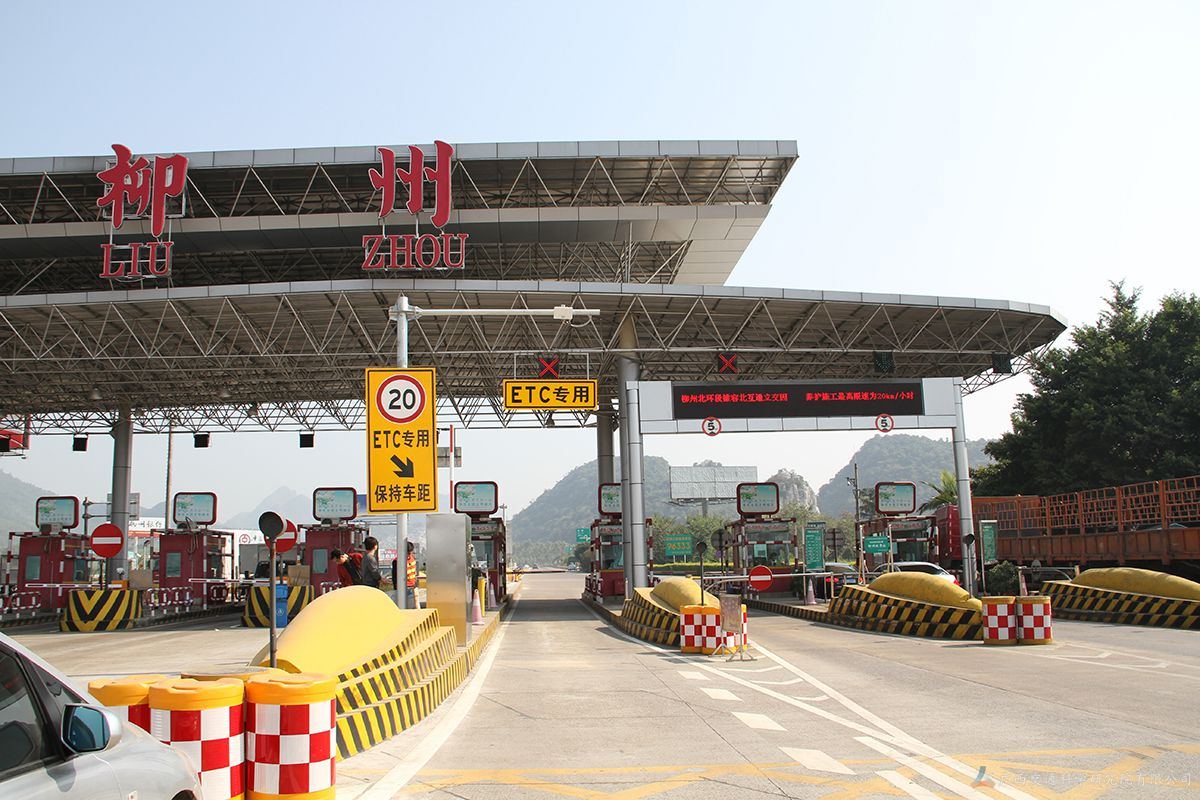
I still remember stepping off the plane at Kunming Changshui in mid-April, the sharp, pine-scented plateau air hitting me as I dragged my carry-on past the glass arrival doors. I’d booked a VW Lavida 1.5L for a loop out to Dali and Lijiang, and halfway through the handover chat, the agent tapped the black ETC unit stuck to the inside of the windscreen and said, “Don’t take that off. We handle the tolls after you return the car.”
At the time, I nodded, but I had no real clue how the process worked. I’d spent years driving across the Scottish Highlands and up to the Alps, where toll booths take cash or card right there at the barrier, and I’d assumed it would be the same here. It turned out, that small windscreen unit is the single biggest source of confusion for people doing Yunnan self-drive rental for foreigners on popular routes out of Kunming.
If you’re picking up a car for Kunming airport car rental for foreigners this year, you do not need to carry a fistful of loose change for every toll booth on the G56 expressway to Dali. But you do need to understand how that ETC device works, when charges hit, and how it ties into your rental deposit. I’ve driven this loop three times now, and I’ve seen enough travellers get caught out by unexpected deductions to know this guide is worth writing.
How the ETC unit actually works when you drive Yunnan’s expressways
Last May, I was running late to meet a friend for lunch in Dali, and I barrelled through the ETC lane at the Chuxing toll station without even slowing down. The barrier lifted with that familiar soft clunk, and I didn’t think twice about it. No cash handed over, no card tapped, no receipt printed. That’s the whole point of the system.
The unit on your windscreen links to the rental company’s toll account, not your personal bank account. Every time you pass through an ETC gantry or lane, the charge is logged against that account, but it does not post immediately. I’ve checked this after two separate trips: the toll authority usually takes 3 to 10 working days to send the full batch of charges over to the rental operator. There is no live notification popping up on your phone mid-drive, and no charge landing on your card while you’re still winding up the Baima Pass towards Shangri-La.
A lot of travellers panic about this. I’ve heard people muttering at the Dali old town car park, convinced they’ve been double-charged because they passed three gantries in a day and saw no transaction on their travel card statement. That’s normal. The charges are sitting in the system, waiting to be reconciled.
Why your rental deposit is held for those extra few days
This is the part most people don’t connect at first. When I picked up that Lavida, I left a 3,000 RMB rental deposit, and the agent told me it would be refunded 5-7 working days after I dropped the car back. I initially thought that window was just for checking for scratches or parking fines. It’s also for catching those delayed ETC toll deductions.
Think about it. If you drive Kunming to Dali to Lijiang over 5 days, you’ll pass a dozen toll booths. The last of those charges might not even reach the rental company until two or three days after you’ve already dropped the keys back at Kunming airport. If they refunded your deposit immediately, they’d have no way to cover those tolls without chasing you across international borders.
That 5-7 working day window is not a random hold. It lines up almost exactly with the time it takes for all the expressway toll records to filter through, plus a quick check for any outstanding traffic fines. Once that check is done, the deposit is refunded, minus any toll charges or small damage costs you’re liable for.
I once made the mistake of rushing back to the airport, catching an international flight home, and assuming my deposit had been stolen when it didn’t hit my account 2 days after return. It turned out a single 18 RMB toll on the stretch near Chuxing had been delayed, and the refund went out 6 working days after I landed back in the UK. No drama, just patience.
What you pay for, and what’s covered, when tolls and damage come up
When I was planning my Dali Lijiang car rental for foreigners trip last autumn, I sat down with a notepad to work out my total budget, because I hate hidden fees. Here’s what I know for certain about how the costs stack up, based on the fact sheet the rental team shares with every overseas visitor.
- The VW Lavida 1.5L and Jetta 1.4T petrol cars run 260 RMB per day, with a 3,000 RMB deposit and unlimited mileage. That’s the pick for most people doing the Kunming-Dali-Lijiang loop, because you don’t have to watch your odometer every time you detour to a tea house in the mountains.
- The Tank 300 2.0T is 400 RMB per day, with a 5,000 RMB deposit, and a 300 km per day limit. I took one up to Shangri-La last winter, and the 300 km limit is easy to stick to if you’re not rushing, but worth remembering if you’re planning long detours off the main expressway.
- Insurance on the car includes both compulsory and commercial cover. If you scrape the bumper, scratches under 1,500 RMB are paid by you. Anything above 1,500 RMB goes through insurance, and you cover 30% of that cost. Scratches that don’t damage the primer are completely free, no charge at all.
- If you need to drop the car off one-way in Lijiang instead of driving back to Kunming, there’s a 1,500 RMB one-way return fee. I’ve done this twice, and it’s worth every penny to skip the 6-hour drive back south when you’re ready to fly out of Lijiang.
- If you don’t already have the required documentation, a China temporary driving licence can be arranged for 1,500 RMB, without you having to attend an in-person appointment. I know a few travellers who tried to sort this last minute, and it always causes stress. Sort it before you fly.
One thing I never skip: if the car breaks down for a mechanical reason, the rental team covers it. If you run over a pothole so hard you bend a rim, or you lock the keys inside, towing costs come out of your pocket. That’s fair, in my book.
Small habits that save you post-return headaches
I’ve picked up enough tips from other overland travellers over the years to know these small moves make the whole toll process smoother.
First, never peel the ETC unit off the windscreen. I saw a traveller do this once, thinking it was an old parking pass, and every toll on his 7-day loop had to be manually reconciled, which delayed his deposit refund by almost two weeks. It’s stuck there for a reason. Leave it be.
Second, don’t stress about taking a photo of every toll booth receipt. The ETC system logs the charges automatically, and you don’t need to keep a paper trail to prove you paid. I used to stop at every booth to grab a printed ticket, until I realised it just added 20 minutes to each day’s drive for no benefit.
Third, remember that if you cancel for personal reasons, the 600 RMB booking deposit is non-refundable. I learned this the hard way two years ago, when a family emergency meant I couldn’t make my Yunnan trip. It’s a standard rule, and it’s worth factoring into your travel plans if you’re booking months in advance.
When you drop the car back, spend 5 minutes walking around it with the agent, taking photos of any existing scratches. That way, there’s no confusion later about whether a mark was there before you picked it up. Downtime charges are waived for the first 5 days if there’s major damage, so you won’t get hit with unexpected daily fees if you have a small collision that takes time to fix.
The Yunnan expressway network is one of the most scenic in China, winding past rice terraces, Erhai lake, and the snow-dusted peaks of the Hengduan mountains. The ETC system is designed to make your drive smoother, not to trick you with hidden charges. You just need to know it works a little differently from the toll systems you’re used to back home.