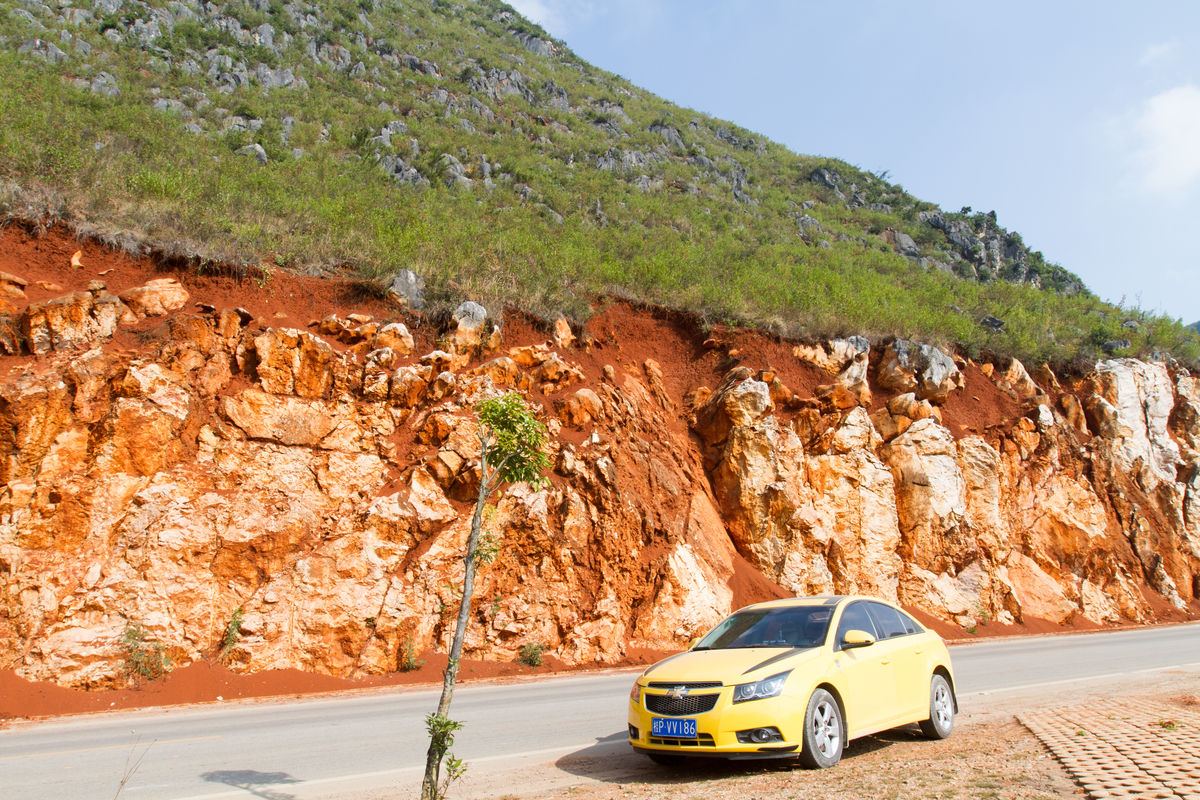
That Scrape on the Naxi Village Wall That Taught Me Everything About Rural Road Insurance
Last April, I was cruising down a rutted stone lane outside Baisha, the air thick with the smell of pine and roasted buckwheat from a street stall, when I misjudged the width of our VW Lavida. The passenger side mirror caught the eave of a mud-brick farmhouse wall, leaving a faint scuff and a cracked terracotta roof tile. I’d spent 20 minutes panicking about whether I’d be on the hook for the whole repair bill, before I remembered to dig out the insurance paperwork in the glove box. That moment taught me more about how third-party property damage cover works on Yunnan’s back roads than any brochure ever could.
If you’re planning Dali Lijiang car rental for foreigners, this is the detail most guides skip. It’s all very well talking about sunset views over Erhai Lake or snow on Jade Dragon Snow Mountain, but when you’re navigating narrow village lanes where dogs nap in the middle of the road and farmers stack hay bales half on the tarmac, you need to know exactly what your insurance covers when you bump into something that isn’t another car.
What Your Insurance Actually Covers When You Hit Rural Village Property
I’ve done this trip four times now, in different seasons, and I’ve seen enough fender benders on these lanes to know the gaps people fall into. The rental includes both compulsory and commercial cover, which is the baseline you need for driving anywhere outside Kunming’s ring road. But the fine print about excess is where most people get caught out.
That cracked roof tile I hit? The total repair cost came to 1,200 RMB. Because it was under the 1,500 RMB threshold for minor damage, I paid the full amount out of pocket, no insurance claim needed. It was a frustrating hit to the wallet, but at least I didn’t have to wait for an assessor to drive out from Lijiang to inspect the wall. The rule is simple: any minor damage, whether to your car or to someone else’s property on the village road, under 1,500 RMB is your responsibility. If the total damage creeps above that 1,500 RMB mark, the commercial insurance kicks in, and you only cover 30% of the remaining cost.
I learned the other edge of the rule a year later, when a friend scraped the side of their Tank 300 on a stone milestone outside a Bai village near Xizhou. The milestone repair plus the car’s bodywork damage came to 4,800 RMB total. Since it was well over the 1,500 RMB threshold, insurance covered 70% of the bill, and they only paid 1,440 RMB out of pocket. They were braced for a much steeper cost, especially because the Tank has a higher daily rate, but the excess structure works the same no matter which vehicle you pick.
One thing I always tell fellow travellers: scratches that don’t break through the primer layer on the car’s paint are completely free to fix, no cost to you at all. And there are no downtime or depreciation charges for paintwork or replaced parts, which is a huge relief — I’ve heard horror stories from other travellers in Southeast Asia where rental companies charge you for every day the car is in the shop, even if the damage is minor. Here, if you have major damage, downtime charges are waived for the first 5 days, so you won’t get hit with surprise fees while the repairs are sorted.
Picking the Right Car for Your Route, And What It Means For Your Insurance Peace of Mind
When you’re sorting out Yunnan self-drive rental for foreigners, the vehicle choice isn’t just about comfort — it changes your daily rate, your deposit, and even how likely you are to scrape something on a narrow village lane.
The two most popular options for this Dali-Lijiang-Shangri-La loop are the petrol VW Lavida 1.5L or Jetta 1.4T, at 260 RMB per day, with a 3,000 RMB rental deposit and unlimited mileage. I usually pick the Lavida for this route. It’s narrow enough to squeeze through those tight village lanes without constantly holding your breath, and the unlimited mileage means you don’t have to stress about counting kilometres when you detour to a hidden tea house in the hills. The smaller deposit is a bonus, too — it’s refunded 5-7 working days after you drop the car back, once the team checks for any unpaid traffic fines.
If you’re planning to head up rougher tracks towards Shangri-La, the Tank 300 2.0T is the other option, at 400 RMB per day, with a 5,000 RMB deposit and a 300 km per day mileage limit. It’s tougher, higher off the ground, but it’s wider. I took one up to the Napa Lake grasslands last spring, and I had to fold in the mirrors twice to get through a lane lined with wooden storefronts in a small Tibetan village. It’s great for rough roads, but if most of your trip is sticking to the paved Erhai loop and the main road between Dali and Lijiang, the extra width is more of a liability than a help. If you pick up in Dali and drop off in Lijiang, there’s a 1,500 RMB one-way return fee to factor into your budget.
If you’re flying into the province first, Kunming airport car rental for foreigners is the most convenient starting point. You can pick the car up right at the airport, no need to haul your luggage across the city to a downtown office, and the same insurance terms apply no matter where you collect the keys. A quick note on licences: you don’t need to bring an International Driving Permit, because a China temporary driving licence can be arranged for 1,500 RMB, no in-person visit required. Sort that out before you fly, and you’ll be ready to hit the road as soon as you land.
The Village Road Habits That Keep You From Needing To Make A Claim At All
After that first scuff on the farmhouse wall, I started taking slow, deliberate turns on every village lane. I’d roll down the window, listen for children playing or livestock moving, and even ask a local standing by the road to judge if I had enough space to get through. It feels a bit silly at first, but it saves you a world of hassle.
Breakdowns are another thing to plan for. If the car has a mechanical fault out in the countryside, the rental team covers the cost. But if you break down because you’ve driven off a track or overheated the engine on a steep mountain pass, towing costs come out of your pocket. I’ve seen a couple of travellers try to cut across dry riverbeds to get a better view of the mountains, only to get stuck and end up paying for a tow truck that takes two hours to reach them.
One last practical tip: if you need to cancel your trip for personal reasons, the 600 RMB booking deposit is non-refundable. I always book my trip once my travel insurance for the whole trip is sorted, so I don’t lose that money if plans shift.
Don’t overcomplicate it. Know the 1,500 RMB excess threshold, drive slow on the narrow lanes, and you’ll spend your time looking at the views, not worrying about what happens if you bump a wall.