Why Tyre Checks Aren’t A Box-Ticking Exercise On Yunnan’s Plateau Roads
I learned this the hard way back in October, trundling up a stretch of winding tarmac between Dali and Shangri-La in a 2.0T Tank 300. The sun was low enough to gild the golden poplars lining the valley, and I’d been so busy pointing out a troupe of grazing goats to my passenger that I didn’t notice the slow puncture until the tyre pressure warning pinged 10km from the nearest village. The spare I’d assumed was fine? It was half flat, the valve core cracked from months of temperature swings in the boot. We ended up waiting two hours for a passing local with a compressor, and missed the sunset over the lake we’d driven two hours to see. Yunnan self-drive rental for foreigners has one bottleneck, and this is it.
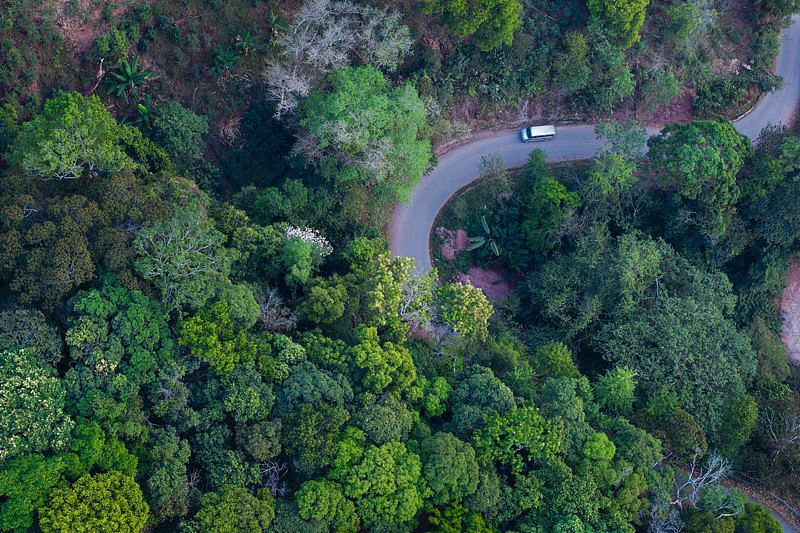
That’s the thing about the roads around here. You can be cruising smooth dual carriageway out of Kunming one minute, and 40 minutes later dodging loose gravel and sharp rock shards that have tumbled down off the pine-clad hills. Tyres that would hold up fine on a city commute get a proper workout here, and the last thing you want 3000m up a mountain pass is a blowout you could have avoided before you even left the airport. That is the side of Dali Lijiang car rental for foreigners the brochures leave out.
Most people booking their first Yunnan self-drive rental for foreigners spend their time double checking their China temporary driving licence paperwork and mapping out stops for crossing bridge rice noodles, but very few stop to properly go over the tyres before they sign the pickup form. I’ve done this run a dozen times now, and I still block 10 full minutes for this check every single time I pick up a new car.
What To Walk Through With The Pickup Staff Before You Leave The Airport Lot
When you pull up to the designated parking bay at Kunming Changshui airport, the pickup staff will usually hand you a quick clipboard with a checklist, and gesture for you to take the keys for a test sit in the driver’s seat. Don’t rush this bit. I once had a member of staff try to wave me off in 90 seconds flat, and I’m glad I paused, because the front left tyre had a deep gash in the sidewall that was hidden under a layer of road dust. Everyone I know who has dealt with Yunnan self-drive rental for foreigners tripped on this.
First: The Condition Of All Four Fitted Tyres
Walk around the car slowly, and get the pickup staff to walk with you. Don’t be polite about kneeling down to run your palm over each tread. Ask them to point out any existing cuts, bulges, or uneven wear, and make sure every single one is marked on the check sheet before you turn the engine over. The legal minimum tread depth for driving up on the plateau is higher than in the city, for the simple reason that wet tarmac at 2500m gets icy fast when the sun dips, and bald tyres won’t grip at all. The tricky part of Kunming airport car rental for foreigners is always the bit nobody explains.
Last month I picked up a 1.5L VW Lavida for a slow meander up to Dali, and the rear right tyre had less than 2mm of tread left. The staff told me it was fine for city driving, but once I pointed out I was heading over a high pass that often gets light frost after dark, they swapped it over for a new one in 15 minutes no questions asked. You don’t have to be a tyre expert to do this check. If the tread looks too shallow, or you can see any cracks on the sidewall that look deep enough to catch your fingernail, just say so.
It’s also worth confirming that all the tyres are the same size and specification. I once got handed a car that had three road tyres and one winter tyre fitted as a replacement, and it pulled hard to the left every time I braked on a downhill stretch. Catching that before you leave the airport saves you a whole load of unnecessary stress later.
Second: The Spare Tyre, And The Tools To Use It
Most people pop the boot once, glance at the spare under the floor mat, and shut it again. Don’t do that. Get the pickup staff to pull the spare tyre out for you, right there in the car park. Ask them to show you the jack, the wheel brace, and the tyre iron, and demonstrate exactly how to release the spare if it’s bolted down under the boot floor.
I’ve lost count of the number of times I’ve found a spare that’s so underinflated it wouldn’t hold its shape for 5km of driving, or a jack that’s bent so bad it won’t lift the car off the ground. Once, the “spare” under the boot was just a space saver that had a maximum speed sticker of 60km/h, and no one had mentioned it on the booking form. If you’re planning on heading up to Shangri-La or any of the more remote stretches of road, a full size matching spare is non-negotiable in my book.
Ask the staff to check the spare’s pressure with you, right there. The temperature at Kunming airport is usually 19 or 20 degrees on a spring day, but up on a 3200m pass it can drop to zero, and tyre pressure drops with the air temperature. A spare that’s at 2 bar when you pick it up will be dangerously underinflated by the time you get halfway to Lijiang.
How This Ties Into The Rest Of Your Yunnan Drive Plans
If you’ve booked Dali Lijiang car rental for foreigners, you’re probably already daydreaming about driving the lakeside road around Erhai, or stopping to photograph the old town rooftops at sunset. But those roads have far more loose gravel and sharp rock debris than the main Kunming expressway, and a tyre failure can leave you stranded far from the nearest town.
It’s worth remembering the rental terms too, while you’re doing this check. Minor scratches under 1500 are paid by the client, but damage above 1500 goes through insurance with the client bearing 30%. If you drive on a fully flat tyre and destroy the sidewall completely, that counts as client-caused damage, and you’ll be on the hook for the full cost of replacing it. Catching a worn tyre before you set off avoids that whole situation entirely.
I usually ask the pickup staff to jot down the local 24 hour breakdown contact number on the back of my rental form while we’re standing by the tyres, too. If you do get a puncture in the middle of nowhere, you don’t want to be fumbling through paperwork trying to find the right number while the sun goes down and the temperature plummets.
Last year I met a couple from Canada who’d booked Kunming airport car rental for foreigners, and they’d skipped the tyre check entirely. They got 70km out of the city, hit a sharp piece of metal on the expressway, and their only spare was completely flat. They had to wait three hours for a recovery truck, and missed their pre-booked guesthouse check in in Dali. If they’d spent five minutes checking the spare at the airport, they’d have noticed the flat, got it pumped up, and been on their way with no delay.
I don’t waste time checking the radio or the cup holders at pickup. I don’t even fuss about minor interior marks. But the tyres? That’s the one thing I will always take as much time over as I need. You can fix a bad radio with a podcast downloaded to your phone. You can’t fix a shredded tyre 3000m up a mountain pass with no phone signal.
The petrol vehicles on offer here are all well suited to the local roads, from the economical 1.5L VW Lavida at 260 RMB a day for city and lakeside driving, to the sturdier Tank 300 at 400 RMB a day if you plan on heading up some of the higher, rougher tracks further north. None of them are electric, which is a relief when you’re driving through remote areas where charging points are few and far between. The rental deposit is 3000 RMB for the Lavida and Jetta, 5000 RMB for the Tank 300, and it gets refunded 5-7 working days after you return the car once the traffic fine check is complete. One-way returns to Lijiang are available for 1500 RMB if you don’t want to drive the same stretch of road back to Kunming.
I keep a small foldable tyre pressure gauge in my bag now, after that puncture near Shangri-La. It cost me 20 quid back home, and it’s saved me no end of hassle. Even if you don’t bring one, just asking the pickup staff to show you every tyre, and the spare, and confirm they’re fit for the kind of driving you plan to do, takes barely any time at all. It’s not being difficult. It’s just making sure you get to see all the parts of Yunnan you travelled so far to visit, without an unnecessary delay eating into your trip.