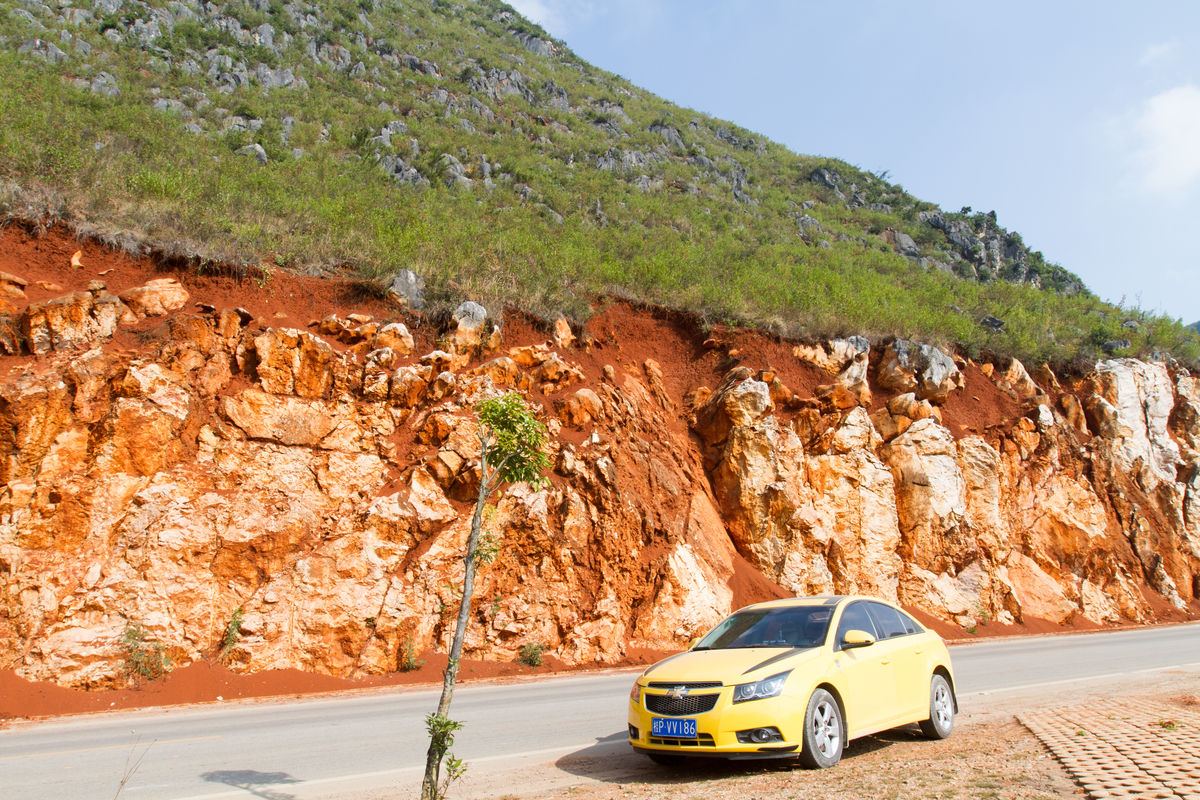
Travellers who think of Yunnan only as tropical and gentle are often surprised to learn that its northeast reaches a high, cool plateau where one of China's rarest birds spends the winter. The Dashanbao area above Zhaotong is a protected wetland famous for black-necked cranes and for the cloud seas that roll across its hills, and it makes a quietly distinctive trip after a Kunming airport car rental for foreigners. It is a place for nature rather than nightlife, and the visitors who love it tend to be birdwatchers, photographers and anyone happy with big skies and cold, clear mornings. This guide explains what there is to see, when to go, and how to drive the route so the journey suits the highland conditions rather than catching you out.
What makes Dashanbao special
Dashanbao is a high-altitude wetland sitting well above the surrounding valleys, and its combination of marshes, grassy hills and steep escarpments creates the habitat that draws the black-necked cranes, a vulnerable species treated with careful protection in China. The birds arrive for the winter and gather at the reserves where they can be watched from sensible distances without disturbing them. The same high ground is known for its cloud seas, where a temperature inversion fills the valleys below with white cloud and leaves the hilltops standing clear, a sight that is at its best in the early morning. There is also a dramatic edge where the plateau drops toward the river far below, giving long views over the landscape. It rewards a slow, observant visit rather than a rushed hour.
Where it sits and how the drive works
Zhaotong lies in the northeast of Yunnan, in the direction of the neighbouring province, and the route from Kunming follows major roads through the hills before the final climb up to the plateau. The long-distance roads are generally good, while the last section onto Dashanbao is narrower and more winding, with the weather changing quickly at that height. The Dongchuan route guide covers a similar northeast direction and helps with the general character of the roads. As always, a Kunming airport car rental for foreigners is arranged around the real driving, and the trip is best split into a comfortable outbound day and a return rather than squeezed into a single exhausting run.
Winter is the headline season
If the cranes are the main reason, the winter months are the window, because that is when the birds are present and the cold clear air gives the sharpest light for photography. This is also when the high roads can be cold and occasionally icy, so the winter driving guide is essential reading, especially for the early starts needed to catch the cranes and the cloud sea at dawn. Carry warm clothing, because the plateau feels much colder than lowland Kunming, and check the road conditions before the climb. Outside the crane season the area is still beautiful and far quieter, but the specific wildlife draw is reduced, so timing the trip around the winter is the usual choice.
Choosing the right vehicle
For the main highways an ordinary sedan is perfectly comfortable, but the high, sometimes wet or icy access roads and the desire to reach a few viewpoints make it worth discussing the terrain when booking. The car type guide compares the options, and the honest advice is that a capable vehicle adds confidence in winter even though you do not need serious off-road equipment. Think about the number of passengers and the photographic gear, since a little extra space is useful on cold mornings. The mileage and fuel arrangements should be checked against the long round trip, and filling the tank before the final climb is a sensible habit on any highland route.
Watching the cranes responsibly
The cranes are protected for a reason, and the reserves ask visitors to keep the set distances, stay quiet and avoid sudden movements or drones that could distress the birds. Follow the marked viewing points and any guidance from the reserve staff, and never feed the cranes or try to approach them for a closer photograph. The same care applies to the fragile wetland, where leaving the paths can damage the ground and disturb nesting or resting areas. Responsible watching is simply part of visiting a place like this, and the birds are actually easier to observe and photograph when they are relaxed and behaving naturally. Bring a pair of binoculars if you have them, since they let you study the birds' markings and behaviour in detail without leaving the viewing platform, and a thermos of something warm makes the long wait before dawn comfortable rather than a chore. A small notebook is handy for anyone keeping a simple record of the species they have seen. Patience at a good viewpoint is always rewarded.
Practical details and supplies
The high area is simpler than the cities, so take warm layers, gloves and a hat even when Kunming itself feels mild, and bring cash or a charged phone as a backup for the smaller settlements. Fill up on fuel and food at the larger towns before the climb, because choices narrow on the plateau, and save an offline map in case the signal weakens. The seasonal guide helps with the wider climate. Accommodation is modest and can fill during the popular birdwatching weeks, so arranging it ahead is wise. A little preparation keeps the focus on the scenery rather than on logistics.
The short version
Dashanbao above Zhaotong is a high wetland reached after a Kunming airport car rental for foreigners, offering winter black-necked cranes and dawn cloud seas. Go in the cold season for the birds, prepare for icy high roads with a suitable car and warm clothing, watch the wildlife responsibly, and stock up before the climb. Send me your dates and I will plan the route and timing so you catch the cranes and the morning cloud sea without a difficult drive.
Zara
Yunnan Province International Travel Agency (Group) Co., Ltd.
WeChat/WhatsApp: +86 13759155671
WeChat handle: qxzj7557
Email: [email protected]