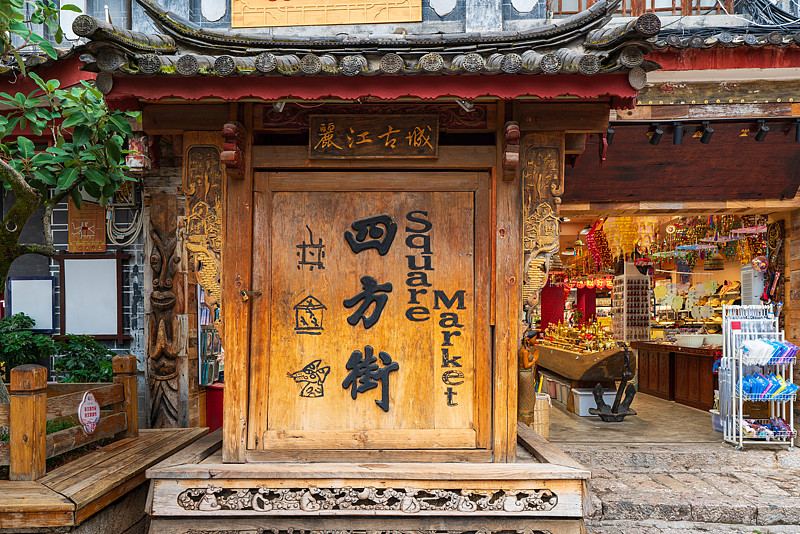
Last October, I was 40 minutes out of Lijiang, climbing toward the 3,200-metre pass that cuts through the Jade Dragon Snow Mountain range, when I realised I’d made a rookie mistake. The crisp, thin mountain air had left my throat dry enough to crack, and the half-litre bottle I’d grabbed from a Kunming convenience store was long empty. Worse, the only food I’d stashed was a crumpled pack of lemon biscuits I’d forgotten in the door pocket, and the next petrol station with a shop was still 25 kilometres away. That day, I learned that when you’re sorting Yunnan self-drive rental for foreigners, packing enough drinking water and snacks isn’t a nice-to-have—it’s how you avoid a miserable, lightheaded stretch of mountain road.
Why Mountain Stretches Demand Extra Prep for Yunnan Self-Drive
Yunnan’s iconic self-drive routes wind through some of the most dramatic high-elevation terrain in southwest China, linking Kunming, Dali, Lijiang and Shangri-La. The roads are well-paved, but between towns, you’ll often find long, unbroken stretches of switchback tarmac where small villages, shops and even petrol stations are few and far between. Add to that the thin, dry air at 2,000 to 3,500 metres, which makes you dehydrate twice as fast as you would at sea level, and it’s easy to see why skipping a proper water and snack stash is a bad call.
I’ve been on that road enough times to know how easy it is to miscalculate. On my first trip up to Shangri-La, I stopped for a quick lunch in a tiny town outside Dali, told myself “I’ll grab more drinks at the next stop”, and drove straight into a 90-minute climb with no turn-offs, no shops, and a group of fellow travellers in the car who’d all skipped filling their own bottles. We rolled into the next village parched, grumpy, and kicking ourselves for not planning ahead.
How Much Water You Actually Need
Forget the vague “bring a bottle” advice. For long mountain stretches, I plan for a minimum of two litres of drinking water per person for a half-day drive, and three litres per person for a full day on the road. That sounds like a lot, but trust me—when you’re winding up a pass with the window cracked to keep the car from fogging, you’ll sip through it faster than you think.
I always pick up sealed 500ml and 1.5L bottles at a supermarket in Kunming, Dali or Lijiang before I head out of the city, rather than buying single bottles at tourist shops or petrol stations, which are often marked up. Tuck a few small bottles in the door pockets so everyone in the car can reach one without asking, and keep the big 1.5L bottles in the boot to top up as you go. Skip the fancy flavoured drinks or sugary iced teas—they taste great, but they don’t quench thirst as well as plain water when the air is thin and dry.
Snacks That Actually Work for Mountain Drives
Not all snacks are created equal for long, winding mountain roads. I learned this the hard way when I packed a bag of creamy cheese pastries for a trip from Lijiang to Shangri-La—halfway up the pass, the combination of tight switchbacks and rich, heavy food left two of my passengers feeling carsick, and we had to pull over twice to let them get fresh air.
Now, I stick to a short list of reliable picks, no fancy stuff required:
- Plain, non-crumbly energy bars (the nut-and-oat kind, not the chocolate-coated ones that melt in the sun)
- Sliced fresh fruit—apples and mandarins travel well, don’t bruise easily, and give you a hit of natural sugar without being too heavy
- Salty crackers or rice cakes, which help settle your stomach if you start to feel lightheaded from the elevation
- A small bag of hard candy, like peppermints, for when your throat gets dry and you don’t want to chug more water right before a long stretch of road
Practical Rental Tips to Pair With Your Snack & Water Stash
When you’re sorting your car for these mountain drives, it helps to know what you’re getting with your rental, so you can plan your packing around the car’s storage space.
I usually go for the VW Lavida 1.5L petrol model for most Yunnan trips—it’s RMB 260 per day, with a RMB 3,000 rental deposit, unlimited mileage, and plenty of boot space for water crates and snack bags. For longer, rougher stretches off the main road toward Shangri-La, the Tank 300 2.0T is a solid pick at RMB 400 per day, with a RMB 5,000 deposit and a 300km daily limit; just remember, if you pick up in Lijiang and drop off back in Kunming, there’s a RMB 1,500 one-way return fee to budget for.
For anyone flying straight into the province, Kunming airport car rental for foreigners is the most straightforward starting point—you can land, pick up your car right at the terminal, and stock up on supplies at the airport supermarket before you hit the road. If you’re basing your trip around the core tourist loop, Dali Lijiang car rental for foreigners is also widely available, with pickup and drop-off options at both city offices and airport locations.
One thing to sort before you go: you’ll need a China temporary driving licence to drive in the province, which can be arranged for RMB 1,500 without you having to attend an in-person appointment. The rental deposit is refunded 5-7 working days after you return the car, once all traffic fines are checked, and the insurance included with your rental covers compulsory and commercial cover; just note that minor scratches under RMB 1,500 are paid by you, and any damage above that goes through insurance with you bearing 30% of the cost. Scratches that don’t damage the primer are fixed for free, and there are no downtime or depreciation charges for paintwork or replaced parts.
Last thing: don’t wait until you’re on the mountain to realise you’re out of water. I’ve seen too many travellers roll up to a viewpoint half-dehydrated, too tired to enjoy the views, all because they skipped a 20-minute supermarket run before leaving town. It’s a tiny bit of prep that makes the whole drive so much better.