Why I stopped assuming every old town guesthouse has a private car park
Last April, I pulled up to a white-walled guesthouse at the edge of Baisha, the morning sun glinting off the stone Naxi roofs, and realised I’d made a rookie mistake. The lane leading to the courtyard was barely wider than the VW Lavida I’d picked up from Kunming airport three days prior. My luggage was stacked high in the back, the air smelled of roasted barley from a nearby street stall, and I sat there for five minutes, hand on the gear stick, too nervous to inch forward.
This is the unglamorous side of Yunnan self-drive rental for foreigners that no glossy travel reel shows. You can map out the winding mountain roads between Dali’s erhai lake and Lijiang’s old town, you can pack all the right layers for the 3,000m altitude dips, but if you turn up to a guesthouse with a private lane meant for electric scooters and walking tourists, you’ll end up blocking the entire village lane while local grandma carrying a basket of peas waits behind you, sighing.
That trip taught me to never book a stay in Baisha or Shuhe without first asking exactly how wide the access road is, and whether the guesthouse has space to turn a saloon car around. It’s not a dealbreaker for Dali Lijiang car rental for foreigners, but it is the detail that will make or break your first evening in the old towns.
First: sort the paperwork before you even think about old town lanes
Let’s get the boring but non-negotiable bit out of the way first, because I’ve seen too many travellers turn up to Kunming airport ready to drive, only to find they don’t have the right documentation to get behind the wheel.
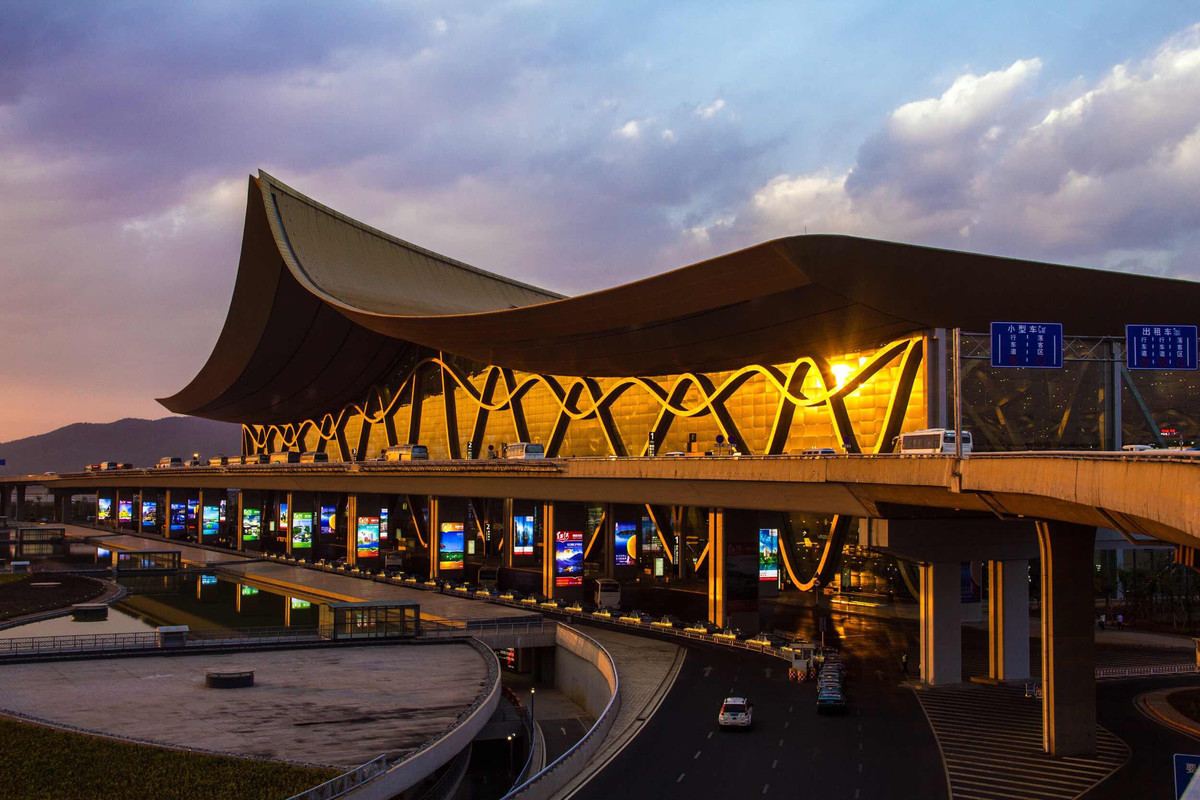
You don’t need to arrange paperwork in person ahead of time: a China temporary driving licence can be arranged for 1,500 without you attending in person, so it’s sorted before you land. Pickup is straightforward, whether you collect your car at Kunming airport for foreigners, or arrange to meet a staff member at a city office in Dali or Lijiang to start your road trip there.
The cars available for this route are all petrol, no electric options to worry about mid-journey between towns. For most people doing the Dali-Lijiang loop, the VW Lavida 1.5L or Jetta 1.4T makes the most sense: RMB 260 per day, 3,000 rental deposit, unlimited mileage. I drove the Lavida on that April trip, and its compact width was a small mercy on the narrow lanes. If you want a Tank 300 2.0T for rougher side roads up toward Shangri-La, it’s RMB 400 per day, 5,000 deposit, with a 300km per day limit — just note that its wider body makes old town manoeuvres much trickier. If you pick up in one city and drop off in another, say Kunming to Lijiang, there’s a 1,500 one-way return fee.
The deposit gets refunded 5-7 working days after you return the car, once they run the traffic fine check. Insurance covers both compulsory and commercial cover, but remember: minor scratches under 1,500 come out of your pocket, anything above that goes through insurance with you covering 30%. Scratches that don’t break the primer are free, no hidden downtime or depreciation charges for paintwork or replaced parts, and downtime is waived within 5 days for major damage. If the car breaks down from a mechanical fault, the provider covers it; if you cause the breakdown, towing is on you. The 600 booking deposit is non-refundable if you cancel for personal reasons, so lock in your dates before you commit.
Baisha old town: lanes that were never built for cars
Baisha is the quietest of the Lijiang-area old towns, the one where the Naxi communities still outnumber the souvenir stalls, where the snow peak of Jade Dragon Snow Mountain looms large over the flat, stone-paved lanes. It’s beautiful, but its access roads are a nightmare if you’ve got no local sense of space.
On that April trip, my guesthouse was 200 metres off the main village road, down a lane so narrow the branches of the peach trees overhanging the walls brushed both sides of the Lavida as I crept forward. The guesthouse owner met me at the lane entrance, and told me straight: don’t try to drive all the way to the courtyard. The turning circle there is too tight, and you’ll get stuck on the stone kerb.
Here’s what I learned, the hard way:
- Skip trying to drive right into the core of Baisha. The lanes there are barely wide enough for two scooters to pass, let alone a saloon car.
- Ask your guesthouse if they have a marked parking spot on the paved perimeter road, rather than a private courtyard inside the old town. Most of the family-run places don’t have dedicated car parks, but they can point you to a quiet, legal spot 2-3 minutes’ walk from the entrance.
- If your guesthouse does have an internal courtyard, measure the gate width before you set off. On my trip, the courtyard gate was only 10cm wider than the Lavida’s wing mirrors — I had to fold them in and inch forward at 2km/h, while the owner guided me from outside, holding his breath the whole time.
It was a crisp, clear day when I finally parked, and I sat in the car for a minute, sweating a little from the concentration, watching a group of Naxi elders walk past carrying woven baskets. It felt silly to be that stressed about a 200 metre drive, but anyone who’s tried to navigate Baisha’s lanes in a car will get it.
Shuhe old town: more parking, but still tight turns
Shuhe is a little more polished than Baisha, closer to the main Lijiang tourist circuit, with stone bridges over shallow streams and rows of wooden tea houses. I drove there two days after Baisha, and went in expecting the lanes to be wider — they are, but only just.
Many of the larger guesthouses on Shuhe’s outer edge have small private car parks, but the catch is the access ramp leading down to them. Most of these ramps are steep, with a sharp 90-degree turn at the bottom to get into the car park. I watched a fellow traveller in a Tank 300 misjudge that turn, scraping his rear bumper on the stone wall, while a group of tourists taking photos by the stream glanced over.
My guesthouse in Shuhe had a tiny car park that fit exactly three cars. When I arrived, the owner met me at the entrance, and said “don’t try to park yourself. The gap between the wall and the first parked car is 10cm wider than your Lavida — I’ll guide you in.” He was right. If I’d tried to do it alone, I would have scraped the wing mirror for sure.
My takeaways from Shuhe:
- Stick to guesthouses on the outer ring of Shuhe, not the ones tucked inside the old town’s core. The inner lanes are pedestrian-only in most sections, and you’ll end up having to carry your luggage 10 minutes through stone streets anyway.
- If you’re driving a wider vehicle like the Tank 300, skip the private courtyard car parks entirely. Use the public, paved parking lot at Shuhe’s main entrance, which is a 5-minute walk from most guesthouses. It’s not as convenient, but you won’t spend 20 minutes stressing about scraping a wall.
- Always check if the guesthouse has level access to their parking spot. A lot of the Shuhe car parks are sunken, with ramps that slope at 20 degrees — fine for a saloon car, but tricky if you’re not used to left-hand drive on steep, uneven stone surfaces.
The small, practical bits no one tells you
After those two days of narrow lanes, I adjusted my whole approach to Yunnan self-drive. I stopped booking guesthouses that advertised “charming courtyard access” without sending a quick message first: ask for the width of the access road, ask if there’s space to turn a saloon car around, ask if they have a marked legal parking spot. Most guesthouse owners are used to this question now, and they’ll send you a quick photo of the lane so you don’t turn up blind.
I also stopped bringing the car into the old town cores entirely. After Baisha and Shuhe, I parked at the public lot on the perimeter, walked into the town, and left the car there for the day. It’s cheaper, less stressful, and you get to notice the little things — the smell of pine smoke from the courtyard kitchens, the sound of stream water under the stone bridges, the way the light hits the wooden window frames in the late afternoon — without craning your neck to watch for oncoming scooters.
At the end of the trip, when I returned the Lavida to Lijiang airport, the staff checked the car over, found only a tiny, primer-intact scratch on the front bumper from a low-hanging branch in Baisha, and waved me through. No hidden fees, no arguments. The 3,000 deposit was scheduled to hit my account a week later, after the fine check cleared.
The narrow lanes aren’t a reason to skip Dali Lijiang car rental for foreigners. They’re just a reminder that this part of Yunnan was built for walking, not driving. A little bit of planning ahead, and you’ll spend less time stressing about wing mirrors, and more time drinking tea in a courtyard, watching the snow peak glow at sunset.