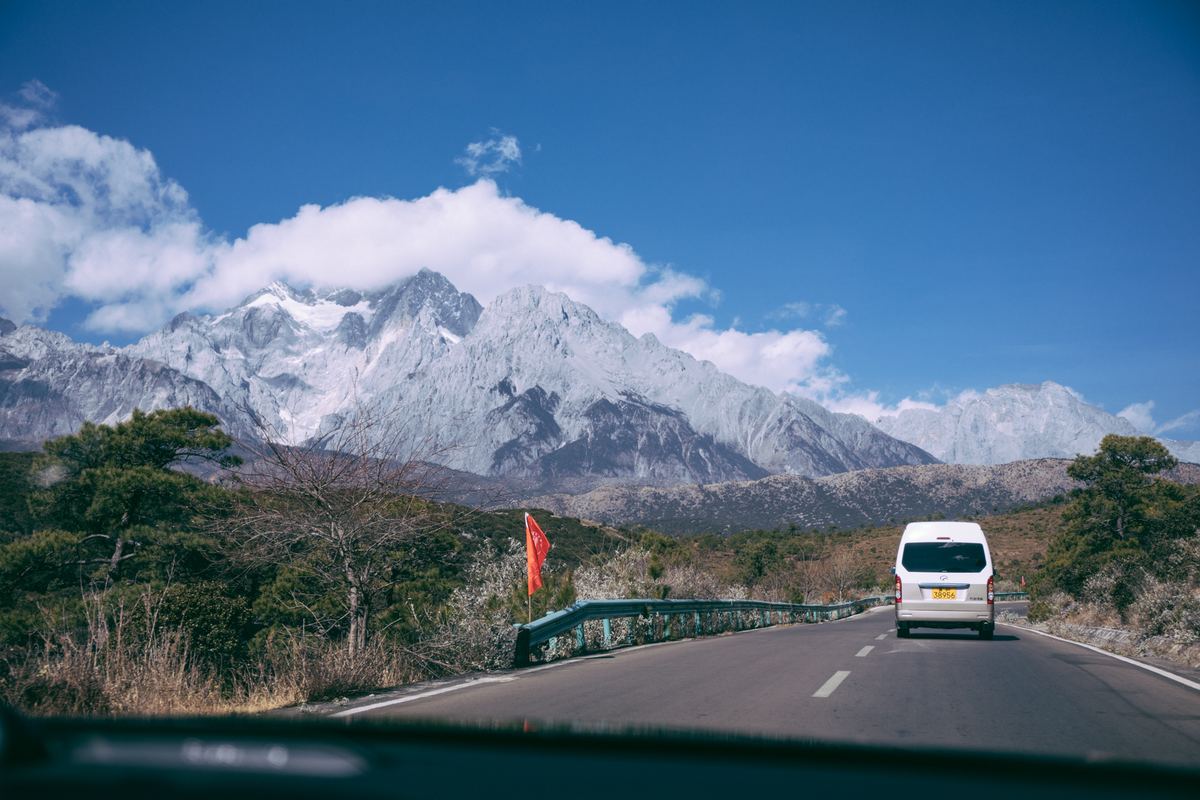
Why I double-checked my Kunming pickup point last spring
I’d landed at Kunming Changshui on a crisp April morning, rucksack slung over one shoulder, already mentally mapping the first leg of my Yunnan loop to Dali. The arrival hall looked subtly different from my last trip—hoardings, diverted footpaths, a sign pointing towards a temporary exit I didn’t recognise. That’s when it hit me: terminal layout changes can throw even a planned pickup into chaos if you haven’t confirmed the exact meeting spot in advance.
For anyone arranging Kunming airport car rental for foreigners, this is not a minor detail. Temporary construction works can shift kerbside pickup zones, reposition meeting points, and even reroute pedestrian exits without much warning. The last thing you want after a long flight is circling the terminal with a heavy bag, trying to work out which door your driver/agent is waiting at.
What “confirm pickup location” actually means
When the arrival terminal is undergoing temporary works, the standard “airport pickup” instruction isn’t enough. You need to confirm three concrete things: which terminal building you’re arriving into, which exit/door the pickup agent will meet you at, and whether that kerbside zone has been temporarily moved due to construction.
Last year, I watched a fellow traveller—an Australian chap I ended up chatting to while waiting—spend 40 minutes walking between the old arrivals exit and a newly diverted temporary walkway because his booking only said “meet at airport”. He’d booked a Yunnan self-drive rental for foreigners to drive the Dali-Lijiang loop, and started his trip already flustered. I don’t want that for you.
Pro tip: Ask for the exact door number, not just “arrivals hall”. If construction is active, ask whether the pickup point has shifted to a temporary holding bay outside the usual zone.
Licence sorted before you fly
One thing I sorted out weeks before departure was my driving entitlement. As a foreign visitor, you can’t use your home licence or an International Driving Permit to drive in China. Instead, a China temporary driving licence can be arranged for 1,500 RMB—you don’t even need to attend in person. This is non-negotiable, and getting it sorted early means you can pick up your car the moment you land without delays.
Which car fits your Yunnan route?
I’ve driven both of the common options on Yunnan roads, and your choice should match your route, not just your ego.
VW Lavida 1.5L / Jetta 1.4T petrol
This is the workhorse for most people. At 260 RMB per day, with a 3,000 RMB rental deposit and unlimited mileage, it’s the sensible pick for a Kunming-Dali-Lijiang loop. I drove a Lavida on the Kunming to Dali stretch last spring—smooth on the expressway, nippy enough for the smaller county roads, and easy to park in tight old-town side streets. The unlimited mileage is a quiet luxury; you won’t stress about detours to viewpoint stops.
Tank 300 2.0T
If you’re heading further afield—towards rougher mountain roads around Shangri-La, for example—the Tank 300 is the more rugged option. It’s 400 RMB per day, with a 5,000 RMB rental deposit, and has a 300 km per day limit. I’d only pick this if your route genuinely calls for higher clearance. The daily mileage cap means you’ll need to plan longer distances carefully, or you’ll end up watching the odometer like a hawk.
If you’re doing a Dali Lijiang car rental for foreigners one-way drop, there’s a 1,500 RMB one-way return fee if you leave the car in Lijiang. Worth factoring in if you don’t want to loop back to Kunming.
Deposits, insurance and the small print I wish I’d read earlier
The rental deposit—3,000 for the Lavida/Jetta, 5,000 for the Tank 300—is refunded 5-7 working days after you return the car, once a traffic-fine check is complete. Don’t panic if it doesn’t land instantly; that processing time is normal.
Insurance is included—compulsory and commercial cover. But here’s the part I learned the hard way on a previous trip: minor scratches under 1,500 RMB are paid by you. Damage above 1,500 RMB goes through insurance, and you bear 30% of that. Scratches that don’t damage the primer are free—no charges, no hassle. No downtime or depreciation charges for paintwork or replaced parts, which is a relief; downtime is waived within 5 days for major damage, so you won’t be penalised if repairs take time.
If the car breaks down for a mechanical reason, that’s covered. If you cause the breakdown—say, running it off a rural road into a ditch—towing is at your expense. And if you cancel for personal reasons, the 600 RMB booking deposit is non-refundable. Book thoughtfully.
The pickup checklist I run through every time
Before I sign off on the car, I always walk around it slowly, noting any existing scratches on the paperwork. I check the tyre pressure, test the aircon, and confirm the navigation system works. Parking in Yunnan’s old towns can be tight—Dali and Lijiang both have narrow lanes, so I always make sure I know where the nearest public car park is before I drive into town.
Seasonality matters too. Summer rains can make mountain roads slick, and winter brings cold snaps at higher elevations around Shangri-La. Plan your route accordingly, and don’t push through bad weather just to hit a checklist.
When construction shifts the pickup point, take 10 minutes to confirm the exact door before you leave the terminal. It saves far more time later.