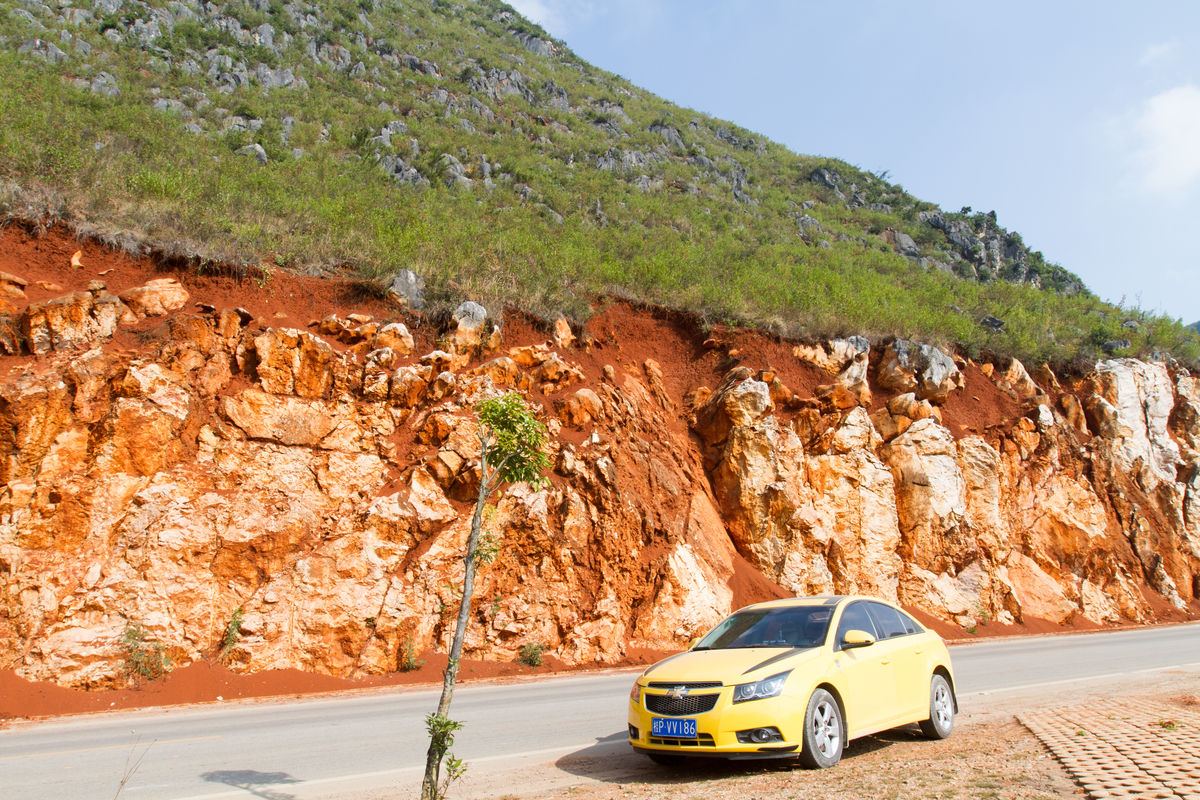
Last October, I pulled out of the Lijiang pickup lot in a VW Lavida, the kind of unassuming petrol hatchback that eats winding Yunnan mountain roads for breakfast. I’d spent three days pottering around Dali before that, acclimatising gently, and I’d planned to hit Shangri-La in one straight shot. That plan died at 2,800 metres, 40 minutes out of Lijiang, when my travel companion developed a throbbing headache and couldn’t stop yawning. We pulled over at a tea house, sipped bitter local brew for an hour, and I realised: rushing this route is the fastest way to ruin a Yunnan self-drive rental for foreigners.
Why slow pace is non-negotiable on the Lijiang–Shangri-La run
The road climbs roughly 1,200 metres in elevation between Lijiang’s old town and the streets of Shangri-La. That’s not a vertical cliff, but it’s enough to catch you off guard if you’re used to zipping along at sea level. I’ve seen travellers bolt from Kunming airport car rental for foreigners straight up to Shangri-La in a single 8-hour drive, only to spend their first night curled up with nausea. I get the urge – the views of snow-capped peaks peeking over the bend are stunning. But altitude doesn’t care about your itinerary.
On that October trip, we’d initially set a target to reach Shangri-La by early afternoon. When we stopped at the first viewpoint over the Napa Lake valley, I noticed my own breathing was a little shallower than normal, even just walking up the short steps to the viewing platform. That’s your body talking. Ignore it, and you’ll be paying for it later.
Practical pacing stops that turn a drive into a gentle acclimatisation
After that tea house detour, we reset our timeline. We split the 170km drive into four easy segments, and it made all the difference.
First stop: the small town of Tiger Leaping Gorge overlook, about an hour out of Lijiang. We got out, stretched our legs, watched the jade-coloured river churn 200 metres below, and bought a bag of dried yak cheese from a street vendor. No rushing. 20 minutes, minimum.
Second stop: the half-way point at the shaded rest area with prayer flags strung between pine trees. We refilled our water bottles, leaned against the guardrail, and watched clouds drift over the mountain ridges. The air was crisp enough to make our knuckles go pink, even in mid-autumn.
Third stop: the small Tibetan village where we’d planned to grab lunch. We ordered noodle soup, sat by the wood stove, and chatted with the restaurant owner who told us he’d seen a dozen travellers that week who’d driven straight up from Lijiang with splitting headaches. We lingered over that meal for an hour and a half. No rush.
By the time we pulled into Shangri-La, my companion’s headache had faded completely. We walked around the old town that evening without huffing, and slept soundly. That’s the pace you want.
Choosing the right rental car for this mountain route
I’ve tested both common rental options on this stretch, so I can speak from experience. On my first trip to Yunnan, I booked the Tank 300 2.0T – it’s RMB 400 per day, with a 5,000 rental deposit and a 300km daily mileage limit. It handled the winding, slightly uneven road between Lijiang and Shangri-La beautifully, with enough power to pull up the steeper passes without straining. But if you’re sticking strictly to the main paved highway, you don’t need the extra off-road capability.
On my second trip, I went for the VW Lavida 1.5L petrol – RMB 260 per day, 3,000 rental deposit, unlimited mileage. It’s zippy, fuel-efficient, and perfectly comfortable for two people with a couple of suitcases. It never felt underpowered on the climbs, even when we had the air conditioning on. I’d recommend it for most travellers doing Dali Lijiang car rental for foreigners who plan to stick to main roads. If you’re planning to detour onto rough side roads near the gorge, the Tank 300 is the more comfortable pick.
One thing to note: if you pick up your car in Lijiang and drop it off in Shangri-La, there’s a 1,500 one-way return fee. We worked that into our budget ahead of time, so there were no nasty surprises. And if you’re arriving from overseas, you don’t need to jump through hoops for paperwork – a China temporary driving licence can be arranged for 1,500 without you having to attend in person.
Rental fine print you’ll want to know before you set off
I’ve had my share of small car mishaps on mountain roads, so I’ve learned to read the rental terms carefully. The rental deposit is refunded 5-7 working days after you return the car, once the team runs a traffic-fine check. It’s not instant, so don’t plan to rely on that money for your next stop right after drop-off.
Insurance covers both compulsory and commercial cover. Minor scratches under 1,500 RMB are paid by you; damage above that goes through insurance, with you bearing 30% of the cost. Scratches that don’t damage the primer are fixed for free, and there are no downtime or depreciation charges for paintwork or replaced parts – downtime is waived within 5 days for major damage. If the car breaks down for a mechanical reason, the rental team covers it; towing costs are on you if the breakdown is caused by your driving.
Also: if you need to cancel for personal reasons, the 600 RMB booking deposit is non-refundable. I learned that the hard way when I had to push back my trip last year, so book only when your dates are solid.
Small tricks to keep altitude sickness at bay on the road
You don’t need fancy gadgets to make this drive comfortable. We brought a stack of bottled water, sipping slowly every time we stopped. We skipped the heavy, greasy fried snacks we’d planned to eat in the car – light, simple food like bread and fruit kept us from feeling sluggish as we climbed. We kept the car windows cracked an inch at higher elevations, letting crisp mountain air circulate instead of blasting the heater the whole time.
I’d rather drive slowly and enjoy the ride than rush to Shangri-La and spend two days stuck in bed with a headache. The route is beautiful precisely because it unfolds gradually, layer by layer, as the mountains rise around you. Rushing it defeats the whole point of a self-drive trip in Yunnan.