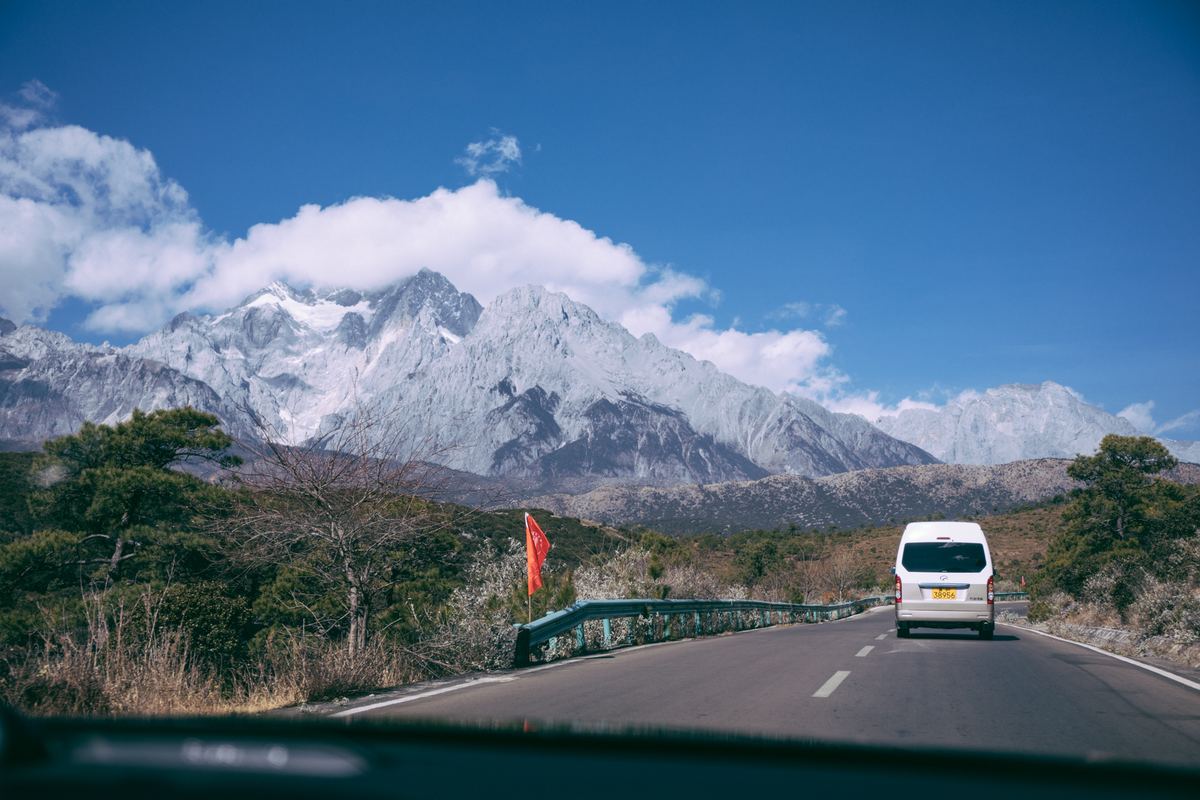
I touched down at Kunming Changshui Airport at 9:17 a.m. on a sweltering mid-July morning last year, my backpack still damp from the humid walk across the tarmac, and fully expected to be behind the wheel of a rental car within 20 minutes. I’d planned to hit the G56 expressway toward Dali by 10 a.m., stopping halfway at a roadside stall for the famous crossing-the-bridge rice noodles I’d been craving for months. Instead, I waited 1 hour and 42 minutes in the pickup queue, watching groups of fellow travellers haul camping gear and hiking boots past the designated handover bay, and ended up pulling into the Dali old town car park as the last of the sunset faded over the Cangshan mountains. That misjudgement of peak-season pickup wait time is a mistake I see so many first-time Yunnan self-drive visitors make, and it’s one that’s easily fixed with a little advance planning.
Why summer handover queues at Kunming airport are slower than you think
July and August are the absolute busiest stretch of the year for Kunming airport car rental for foreigners, as travellers from across the world pour in to escape northern hemisphere heat and explore Yunnan’s mild 20–25°C summer days. The handover bay directly outside the domestic arrivals exit is a chaotic, sun-bleached stretch of tarmac, with rental agents leaning against car bonnets checking documents, ticking off pre-existing damage, and walking new renters through the controls of left-hand-drive petrol vehicles. On the day I waited, there were 17 rental groups ahead of me, all bound for the same Dali-Lijiang-Shangri-La loop I’d mapped out.
Most agents are working flat out during these months, but each handover takes time: verifying that you have the required China temporary driving licence, walking around the car to note every tiny scratch, explaining the insurance excess rules, and showing you how to connect your phone to the in-car navigation. If you rock up expecting a 10-minute swap of keys, you will be left frustrated when you’re stuck in line for nearly two hours.
How much buffer time to actually reserve for pickup
After that 2023 wait, I started asking every rental agent I met what their average handover time is during peak summer, and the numbers are consistent: off-season (November to February), a standard handover takes 15–25 minutes, no queue required. Peak summer? Average wait plus handover runs between 60 and 120 minutes, depending on how many flights land at the same time as yours.
My rule of thumb now: if your flight lands between 8 a.m. and 12 p.m. — the busiest arrival window for domestic and international flights heading to Yunnan — reserve a full 2 hours of buffer time between your scheduled landing and the time you plan to pull out of the airport car park. If you land between 1 p.m. and 5 p.m., you can trim that to 90 minutes. If you land after 7 p.m., queues are almost non-existent, and you can usually be on the road in 20 minutes flat.
I tested this last June, landing at 10:30 a.m. with a pre-booked VW Lavida, and built 2 full hours into my drive schedule. I was in the driver’s seat at 12:20 p.m., right on target, and made it to the Chuxing service station for lunch exactly when I’d planned. No rushing, no panicking about missing the sunset over Erhai Lake.
What slows the handover down the most
From watching dozens of handovers during my waits, the biggest time drains are completely avoidable if you come prepared:
- Turning up without your China temporary driving licence arranged ahead of time — agents can arrange this for you for RMB 1,500 without you needing to attend in person, but sorting it on the day adds 30+ minutes of back-and-forth.
- Rushing the pre-damage inspection, which leads to 10 extra minutes of checking and re-checking scratches when you return the car later.
- Showing up with a group of 4+ people and multiple pieces of luggage, which means extra time checking boot space and fitting all bags into the vehicle.
Vehicle choices and costs for your Yunnan self-drive route
For first-time Yunnan self-drive rental for foreigners travellers, the two most popular vehicle options are straightforward, no hidden electric vehicle complications (all rental cars here are petrol-powered, which is a relief when you’re driving remote mountain roads where charging points are few and far between).
The VW Lavida 1.5L or Jetta 1.4T petrol is RMB 260 per day, with a RMB 3,000 rental deposit and unlimited mileage. This is the car I took on my Dali and Lijiang loop last summer, and it’s perfect for the smooth, well-paved expressways between Kunming, Dali and Lijiang. The unlimited mileage is a huge plus — you won’t stress about detouring to visit a hidden village or a viewpoint off the main road when you don’t have to count every kilometre.
If you’re planning to head further off-piste toward Shangri-La, or prefer a higher driving position for the winding mountain passes, the Tank 300 2.0T is RMB 400 per day, with a RMB 5,000 rental deposit and a 300 km per day limit. I rented one of these on a trip to the Yunnan-Tibet border region last autumn, and the extra ground clearance made the rough, unpaved stretches near the Pudacuo National Park much less stressful. Just keep an eye on that daily kilometre limit if you’re planning long driving days.
One thing to note if you’re planning Dali Lijiang car rental for foreigners without looping back to Kunming: a one-way return fee of RMB 1,500 applies if you drop the car off in Lijiang instead of the original pickup location. I once skipped checking this fee ahead of time, and ended up paying it when I decided to stay an extra three days in Lijiang instead of driving back — it’s not a surprise you want to deal with mid-trip.
Insurance, deposits and return rules you should know before you start driving
When I first started renting cars in Yunnan, I spent hours worrying about what would happen if I scraped the bumper on a narrow old town alley wall. The cover is straightforward, no fine print to decode:
Your rental includes both compulsory and commercial insurance cover. Minor scratches under RMB 1,500 are paid out of pocket by you. Any damage above RMB 1,500 goes through insurance, and you only cover 30% of the cost. Scratches that don’t damage the primer are free — no charge at all. There are no downtime or depreciation charges for paintwork or replaced parts, and downtime fees are waived for up to 5 days if you have major vehicle damage. If the car breaks down from a mechanical fault, the rental provider covers all costs; if you cause a breakdown (like running over a sharp rock that cracks the oil sump), towing costs are on you.
Your rental deposit (either RMB 3,000 or RMB 5,000, depending on your car) is refunded 5–7 working days after you return the car, once a check for any outstanding traffic fines is complete. If you need to cancel your booking for personal reasons, the RMB 600 booking deposit is non-refundable — so only lock in your booking once your travel plans are firm.
Final tip for a stress-free summer pickup
I don’t recommend booking the earliest possible morning flight if you’re not a fan of rushing through airport arrivals. The 8–10 a.m. landing window is the absolute busiest, and you’ll spend more time waiting in the rental queue than you will driving. If you can shift your flight to land at 2 p.m. or later, you’ll cut your wait time in half, and still have plenty of daylight to drive the first stretch toward Dali or Lijiang.
Yunnan’s summer roads are some of the most rewarding to drive in China, with views of terraced rice fields, snow-capped mountains and turquoise lakes around every bend. A little buffer time at pickup is all it takes to start your trip on the right foot, instead of stressed and late for your first sunset view.