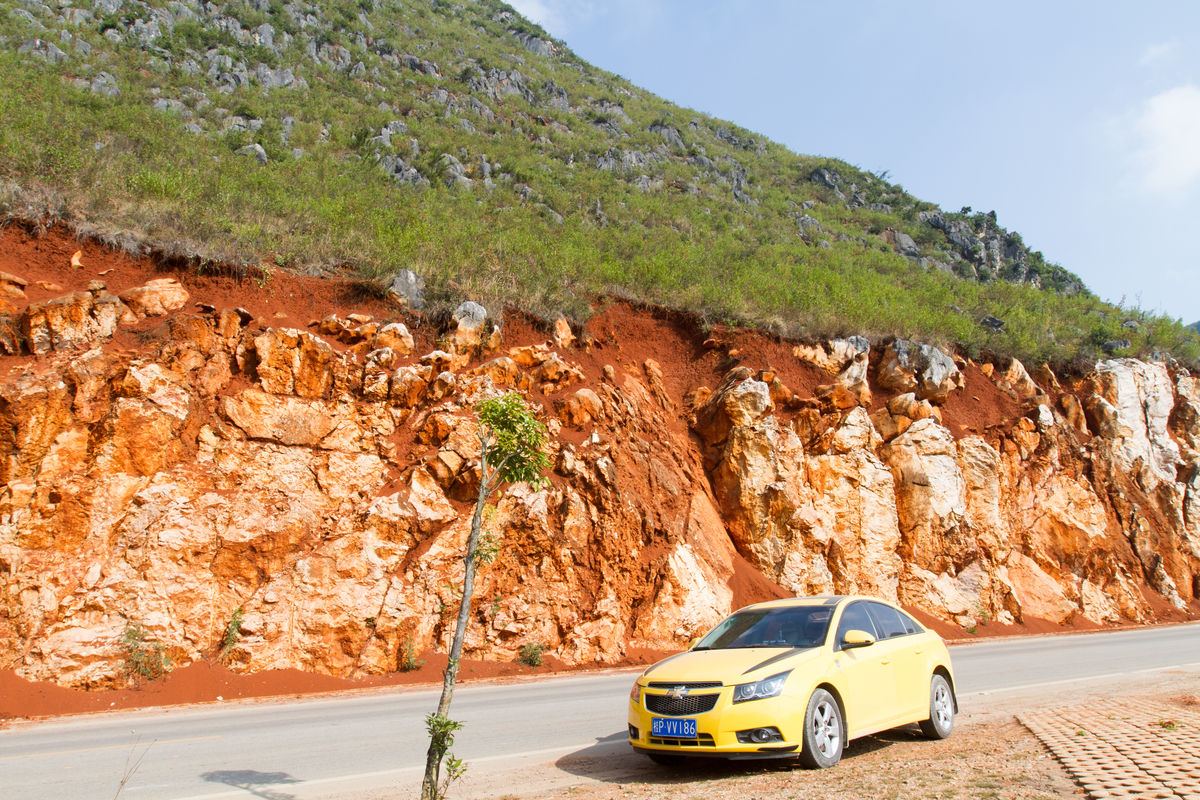
Why I Chose Local Yunnan Self-Drive Rental for Foreigners
I stood in Kunming Changshui Airport’s arrivals hall last April, my foldable walking stick hooked over my rucksack strap, squinting at the glow of departure boards through post-flight dry eyes. I’d spent three months researching Yunnan self-drive rental for foreigners, wary of tight bus schedules and cobblestone old town lanes that play havoc with my wonky knee.
I didn’t want to trail after a group, or beg a taxi driver to wait while I rested every 20 minutes. Self-drive felt like the only way to see Dali and Lijiang at my own pace, but I’d heard horror stories about permit paperwork and unsuitable vehicles.
Turns out, local rental works smoothly if you know the rules. I booked Kunming airport car rental for foreigners before I flew, so a car was waiting 10 minutes from the terminal doors.
Accessible Vehicle Options for Limited Mobility
I tested two cars over 10 days, because I’m fussy about seat height and boot space for my mobility aids. Let’s cut to the practical stuff.
- VW Lavida 1.5L / Jetta 1.4T petrol: 260 RMB per day, 3,000 RMB rental deposit, unlimited mileage. Low boot lip, wide door openings, and the seat adjusts low enough for easy transfers if you use a walking stick. I drove this from Kunming to Dali, and it ate up the motorway without fuss.
- Tank 300 2.0T: 400 RMB per day, 5,000 RMB rental deposit, 300 km per day limit. Higher seating position, which is better if you struggle to bend low, but the boot is narrower thanks to the spare wheel mounted on the back. I upgraded for the mountain stretches around Lijiang, and the extra clearance helped on potholed village roads.
I almost booked the Tank 300 for the whole trip, then did the maths: 300 km a day sounds like a lot, but Dali to Lijiang is roughly 200 km each way if you detour, so I’d have eaten into the limit fast. The Lavida’s unlimited mileage was a better fit for my slow, meandering pace.
No electric cars on offer, which I was relieved about — I’ve had bad luck with charging points in remote areas elsewhere, and I didn’t want to get stranded with a dead battery and a painful knee.
The China Temporary Driving Licence Arrangement
I’ll admit I stressed about this for weeks. I’d read conflicting stuff online about what foreigners need to drive in China, and I didn’t want to waste a day of my trip queuing in a government office.
The rental service arranges a China temporary driving licence for 1,500 RMB, no in-person attendance needed. I sent over the required documents before I left the UK, and the permit was waiting for me with the car keys at the airport pickup.
Don’t make the mistake I almost did of assuming any other permit works. Stick to the arranged temporary licence — it’s the only valid option for local rental.
Accessible Driving Routes: Dali to Lijiang at a Slow Pace
I picked Dali Lijiang car rental for foreigners specifically because the roads between the two are well-maintained, and there are plenty of flat, easy stops along the way. I did the drive over three days, which is slower than most people take, but it meant I never pushed my knee too far.
Day one: Kunming to Dali. Mostly motorway, wide lanes, regular service stations with accessible toilets (some are better than others, but I only had one awkward moment with a broken grab rail). I pulled over at a tea shop halfway, sat on a wooden veranda watching mist roll over the hills, and didn’t feel guilty for wasting time. That’s the point of self-drive, right?
Day two: Dali ring road. I stuck to the eastern shore of Erhai Lake, where the road is flat and there are paved parking spots every few kilometres. I avoided the old town’s narrow lanes entirely — I parked on the edge and took a wheelchair-accessible golf buggy in, which was far less stressful than hunting for a space close by.
Day three: Dali to Lijiang, via the smaller provincial road instead of the motorway. The surface is still good, just a bit windier, and there are quiet village stops where you can sit and eat fried goat cheese without fighting crowds. I stopped early in Lijiang, checked into a ground-floor guesthouse, and iced my knee for an hour. Worth it.
If you’re doing a one-way trip from Dali to Lijiang (or vice versa), there’s a 1,500 RMB one-way return fee. I knew this going in, so I budgeted for it — it’s cheaper than hiring a driver for the same stretch, and I got to stop whenever I wanted.
Deposits, Insurance, and the Mistake I Almost Made
Let’s talk money, because no one likes hidden fees. I paid a 600 RMB booking deposit upfront, which is non-refundable if you cancel for personal reasons. I almost cancelled two weeks before my trip when my knee flared up, and I’m so glad I didn’t — but it’s worth knowing that cost is gone if you pull out.
The rental deposit (3,000 for the Lavida, 5,000 for the Tank 300) is refunded 5-7 working days after you return the car, once they’ve checked for traffic fines. Mine came back on day six, no issues.
Insurance includes compulsory and commercial cover. Minor scratches under 1,500 RMB are paid by you; anything over that goes through insurance, and you pay 30%. Scratches that don’t damage the primer are free, which was a relief — I brushed against a bush on a narrow Lijiang side road, and the guy checking the car just laughed and wiped the mark off with his sleeve.
No downtime or depreciation charges for paintwork or replaced parts, and downtime is waived within 5 days for major damage. I didn’t test that rule, obviously, but it’s good to know it’s there.
Breakdowns? If it’s a mechanical issue, the rental service covers it. If you cause the problem (like driving into a ditch, which I did not do, thank you very much), towing is at your expense.
Practical Tips for Limited Mobility Travellers
Pickup and return at the airport or a city office — I chose airport pickup because I didn’t want to navigate public transport with my stick and a suitcase. Drop-off in Lijiang was at a city office 10 minutes’ walk from my guesthouse, but they offered to drop me at the door for no extra cost. I took them up on it.
Navigation: the car came with a local navigation system preloaded, which worked even in the mountains. I downloaded an offline map too, just in case, but I never needed it.
Parking: most scenic spots around Dali and Lijiang have flat, paved parking areas close to the entrance. I’d recommend arriving before 10am if you want the best spots — after that, the car parks fill up, and you might have to walk further than you’d like.
Seasonality: I went in April, when the weather is mild and the roads are dry. I wouldn’t recommend driving in the height of summer if you have mobility issues — heavy rain can make mountain roads slippery, and you don’t want to be slipping on wet pavement when you get out of the car. Winter is fine on the main roads, but higher passes can get icy.
Do a full pickup checklist before you drive away. I’m guilty of skipping this in the past, but this time I walked around the car (slowly, with my stick) and pointed out every tiny scratch I could find. The agent marked them all down on the form, no arguments. Saves hassle when you return it.
I’m already planning my next trip, maybe up to Shangri-La this time. I’ll book the same local service, probably the Tank 300 for the higher roads, and I’ll take it even slower. You don’t have to rush Yunnan. That’s the whole point of driving yourself.