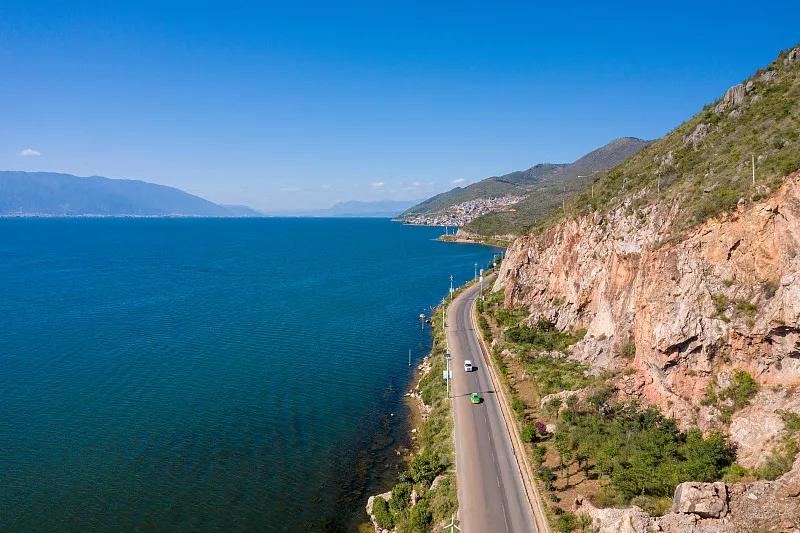
First Gear: Why I Ditched the Bus for Yunnan Self-Drive
I stood in Kunming Changshui Airport’s arrivals hall last April, rain streaking the glass, my backpack digging into one shoulder and a crumpled bus timetable in my hand. The coach to Dali was delayed three hours. I’d spent weeks researching Yunnan self-drive rental for foreigners, half-convinced it was too much faff, but in that damp, overcrowded terminal I caved and booked a car.
Turns out it was the right call. The winding roads between Dali, Lijiang and the village lanes outside Shangri-La let me stop for wild mushroom stalls, watch black goats amble across the tarmac, and linger at viewpoints the tour buses skip. But I learned fast that local driving rules aren’t just written signs—they’re a quiet, unspoken language you pick up mile by mile.
Sorting the Rental: Permits, Pickup and Practical Bits
Let’s get the admin out the way first, because I nearly messed this up. I’d heard rumours about various driving permits, but the only one that works here is a China temporary driving licence, which the rental service can arrange for 1,500 without you attending in person. I sent my documents over a week before I flew, and it was waiting for me when I picked up the car.
I went for Kunming airport car rental for foreigners, mostly because I didn’t want to haul my bag across the city. The options were straightforward:
- VW Lavida 1.5L or Jetta 1.4T petrol: 260 per day, 3,000 rental deposit, unlimited mileage
- Tank 300 2.0T: 400 per day, 5,000 rental deposit, 300 km per day limit
I picked the Jetta. Fancier 4x4s look good for mountain roads, but I knew most of the routes I’d take were paved, and unlimited mileage meant I could detour without counting kilometres. The booking deposit of 600 is non-refundable if you cancel for personal reasons, so double-check your dates before you hit confirm.
Insurance includes compulsory and commercial cover. Minor scratches under 1,500 are paid by the client; damage above that goes through insurance with the client bearing 30%. Scratches that don’t damage the primer are free, and there’s no downtime or depreciation charges for paintwork or replaced parts. If the car breaks down for a mechanical reason, the rental service covers it; towing for a client-caused issue is at your expense. The rental deposit is refunded 5-7 working days after return, once a traffic-fine check is complete.
Narrow Mountain Roads: The Unspoken Rules I Learned the Hard Way
Passing on Hairpin Bends: The Horn is Your Friend
I was halfway up the 214 National Road stretch between Dali and Lijiang, sun glinting off the tarmac so bright I had to squint, when a lorry came barrelling around a blind bend taking up half my lane. I swerved onto the soft shoulder, gravel spitting under the tyres, and my heart jumped into my throat.
Later, at a roadside noodle stop, an older local driver laughed when I told him the story. “You didn’t use your horn?” he said, slurping beef noodles. “On these bends, everyone honks. It’s not rude—it’s how we say ‘I’m here’.”
He was right. On narrow mountain roads, you tap the horn before every blind corner, every tight switchback, every stretch where trees or rock faces block your view. It’s not aggressive. It’s a courtesy.
Also: the vehicle on the outside of the bend (the side with the drop) has right of way. I’d always assumed uphill traffic went first, but here, if you’re on the cliff side, you pull into a passing spot and let the other car go. I watched three separate drivers do this in one afternoon before I caught on.
Village Lanes: Slow Down for Everything
I took a detour off the main Dali-Lijiang route to visit a small Bai village, the lane so narrow I could reach out and touch the wooden eaves of the houses on either side. A group of children were chasing a chicken down the road, and an old woman was drying chili peppers on a mat spread across half the tarmac.
I inched along at 10 km/h, and the old woman looked up and smiled, waving me through. If I’d hurried, if I’d beeped, I know she’d have been cross. These lanes aren’t just for cars—they’re the village’s living room, their drying yard, their playground.
A few things I picked up:
- Never sound your horn in a village unless someone’s in immediate danger. It’s considered disrespectful, especially early in the morning or late at night.
- If you meet a tractor or a horse cart, pull over as far as you can and let them pass. They can’t manoeuvre as easily as a car.
- Watch for dogs, chickens, goats and small children darting out from between houses. Assume something will step into the road, and you won’t be caught off guard.
Parking and Pulling Over: Don’t Block the Way
Outside a Tibetan monastery near Shangri-La, I parked my Jetta on the side of the road, thinking I’d left enough space for other cars to get past. When I came back 20 minutes later, a minibus driver was standing by his vehicle, shaking his head. I’d parked just enough in the lane that he couldn’t squeeze through with his bus.
I apologised, moved the car, and he nodded, no hard feelings. The lesson? On narrow roads, if you stop to take a photo or grab a snack, pull completely off the tarmac if you can. If there’s no shoulder, look for a designated passing place or a flat spot where you won’t block oncoming traffic.
Most small villages have a central parking area, even if it’s just a dirt square. Ask a local where to park instead of leaving your car in the lane. It saves hassle for everyone.
One-Way Rentals and Route Tips
I ended up doing Dali Lijiang car rental for foreigners as a one-way trip, dropping the car off in Lijiang instead of driving back to Kunming. The one-way return fee is 1,500, which I thought was worth it to save two days of driving back the same road.
Pickup and return is available at the airport or city office, so you can match it to your flight times. I picked up at Kunming airport and dropped off at Lijiang’s city office, which was a 10-minute walk from my guesthouse.
Navigation worked fine on my phone, though I downloaded offline maps before I left. Seasonality matters too—go in spring or autumn for clear roads and mild weather. Winter can bring ice on high passes, and summer rain makes mountain slopes slippery.
Do a full pickup checklist before you drive away. Walk around the car, point out every scratch and dent, and make sure they’re noted on the form. I missed a tiny scuff on the rear bumper at first, and the rental agent pointed it out to me before I left, which saved an argument later.
I’d driven in a dozen countries before, but Yunnan’s mountain and village roads taught me that driving etiquette isn’t universal. It’s about paying attention, moving slow, and respecting that the road belongs to everyone—lorry drivers, goat herders, kids chasing chickens, and tourists in rental cars.
Take your time. Use your horn on bends. Wave when someone lets you pass. You’ll have a better trip, and you’ll leave the roads as you found them.