Why this 3-day Yunnan self-drive route stuck with me
I was standing on a gravel pull-off above the Yangtze last April, dust sticking to the back of my suncream-slick neck, when I realised I’d almost skipped this stretch. Most overseas visitors book Kunming airport car rental for foreigners, head straight to Dali or Lijiang, and stick to the well-trodden lake loops. Fair enough — those roads are smooth, the scenery is unmissable, and navigation is straightforward.
But this shorter run, from Lijiang up to Tacheng and the First Bend of the Yangtze, hits different. You climb through pine forests, drop into river valleys that glow copper at golden hour, and pass villages where wooden stilt houses lean out over terraced fields. I did it in three days, in a rented petrol saloon, and I’d do it again tomorrow.
Sorting the car: Dali Lijiang car rental for foreigners, paperwork and all
I’d originally planned to pick up a car in Kunming and drive up to Lijiang first, but I changed my itinerary at short notice and switched to a Lijiang pickup. That’s the thing about Yunnan self-drive rental for foreigners — you can tweak plans as long as you check the one-way fees first.
Here’s what I went for, after weighing up the options:
- VW Lavida 1.5L petrol, 260 per day, unlimited mileage, 3,000 rental deposit
- China temporary driving licence arranged for 1,500, no in-person attendance needed
- Standard insurance included, covering compulsory and commercial cover
I debated the Tank 300 for a full ten minutes while I waited in the city office, the sun glinting off its boxy body in the courtyard. 400 a day, 5,000 deposit, 300 km per day limit. It looked made for the mountain roads. But I calculated my daily mileage would be well under 300 km either way, and the Lavida was cheaper, easier to park in village lanes, and drank less fuel. I stuck with the saloon. No regrets, even on the steeper climbs.
The rental deposit is refunded 5-7 working days after return, once a traffic-fine check is complete. I handed over a 600 booking deposit to lock it in, and made a mental note not to cancel for personal reasons — that part is non-refundable.
One thing I got wrong at first: I assumed I could just show my UK licence and go. Don’t do that. You need a China temporary driving licence, and the rental service can arrange it for you without you attending in person. Sort it before you land, not when you’re standing at the counter with your bags at your feet.
Pickup checklist: the stuff I nearly missed
I did the pickup on a Tuesday morning in Lijiang, after an overnight bus from Dali (I’d been lazy and didn’t want to drive the Dali-Lijiang stretch straight off the plane). The rep walked me around the car, pointing out existing marks.
Minor scratches under 1,500 are paid by the client; damage above 1,500 goes through insurance with the client bearing 30%. Scratches that don’t damage the primer are free. I took photos of every tiny mark on the bumpers and wheel arches, even the ones the rep said were too small to matter. Better to have the evidence than argue later.
There’s no downtime or depreciation charges for paintwork or replaced parts, and downtime is waived within 5 days for major damage. I didn’t need any of that, obviously, but it was reassuring to know. Mechanical breakdowns are covered by the rental service; towing for client-caused issues is at your own expense. So don’t drive off-road. I stuck to tarmac the whole way.
Day 1: Lijiang to the First Bend of the Yangtze
I left Lijiang just after 7am, before the old town crowds spilled out onto the ring road. The air was sharp, still carrying the chill of the previous night’s rain, and the mountains east of the city were wrapped in low cloud.
The road climbs steadily out of the Lijiang basin, winding through villages where farmers were already out tending to their fields. I stopped at a roadside stall for steamed buns and hot soy milk, the steam curling up into my glasses as I leant against the car bonnet.
By mid-morning, I was at the first viewpoint for the First Bend of the Yangtze. I’d seen photos, of course, but nothing prepares you for the scale of it — the wide, muddy river curling around a bluff of green hills, like someone dragged a giant finger through the landscape. I stayed for an hour, just watching the light shift across the water.
I drove on to a small guesthouse a few kilometres past the main viewpoint, parked up in their dirt courtyard, and spent the rest of the afternoon walking down to the river’s edge. The road down is steep and narrow, but the Lavida handled it fine. No need for a 4x4 here, despite what you might read online.
Day 2: First Bend to Tacheng
This was my favourite day of driving. The road follows the Yangtze upstream for a while, then cuts up and over a forested pass before dropping down into the Tacheng valley. There are long stretches where you don’t see another car, just pine trees and the distant call of birds.
I nearly hit a chicken halfway through the morning. It ran out from behind a haystack, flapping, and I slammed on the brakes. The car skidded a little on the loose gravel at the edge of the tarmac, but I stopped in time. My heart was hammering. I sat there for a minute, breathing slowly, and reminded myself to take it easier on the rural roads.
Tacheng is a small town, famous for its macaques and the surrounding terraced rice fields. I arrived just after lunch, checked into another guesthouse, and walked up to the macaque viewing platform in the afternoon. There were about twenty of them, sitting in the trees, grooming each other and occasionally dropping fruit shells onto the tourists below.
Parking in Tacheng is easy — most guesthouses have their own small lots, and there’s a public car park near the main square. I used the navigation app loaded on the rental car’s dashboard phone mount to find it, no trouble at all.
Day 3: Tacheng back to Lijiang
I took a slightly different route back, looping through a string of Tibetan villages on the higher ground. The road is a little rougher in places, but still perfectly passable in a saloon. I stopped at a village teahouse, sat on a wooden bench outside, and drank butter tea with a group of elderly men who gestured at me to share their plate of fried dough sticks.
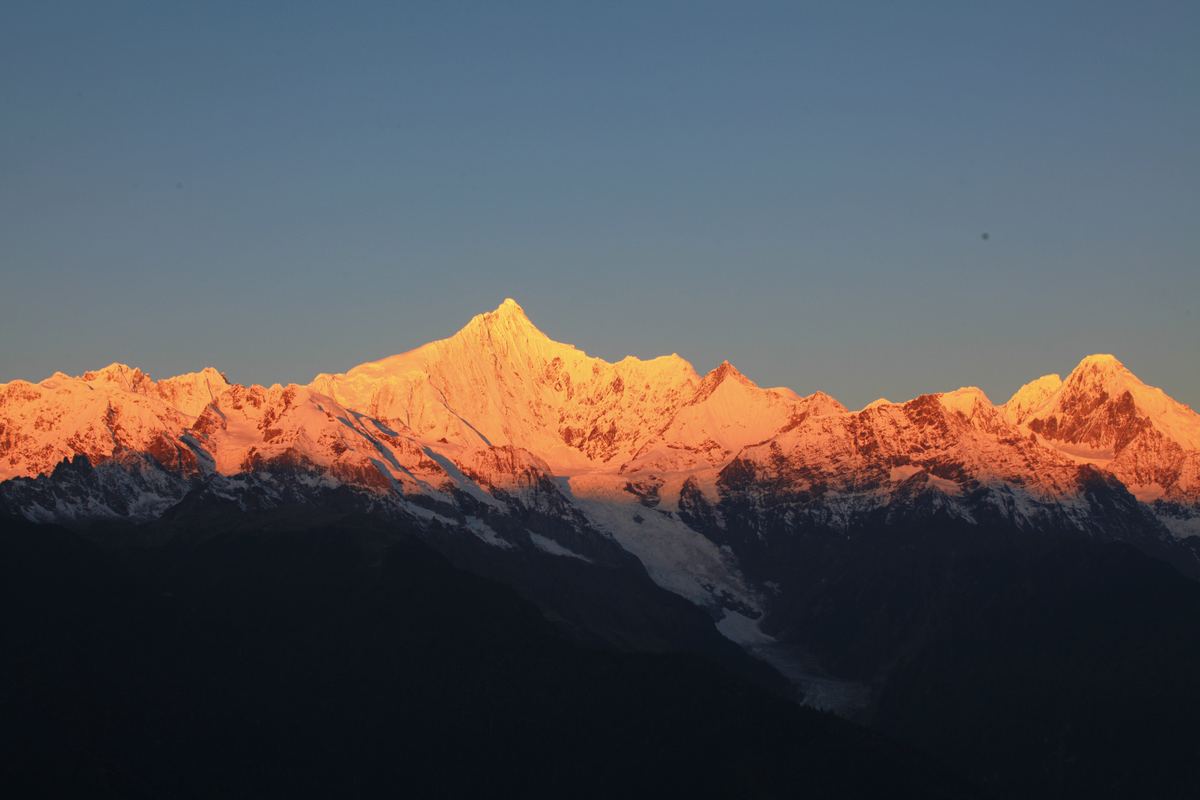
We didn’t share a language, but we smiled a lot, and they pointed out the snow-capped peaks visible through a gap in the clouds. That’s the joy of self-drive — you can stop whenever something catches your eye, no bus schedule to rush you.
I got back to Lijiang in the late afternoon, returned the car at the city office, and the rep did a quick walkaround. There was a new tiny scratch on the passenger door, from a bush I’d brushed against on a narrow lane. It didn’t damage the primer, so there was no charge. I was relieved.
A few honest tips for first-timers
If you’re flying in and starting further south, Kunming airport car rental for foreigners is a solid option — you can pick up right at the airport and drive up to Dali, then Lijiang, before doing this route. Just factor in the extra days.
Dali Lijiang car rental for foreigners is also widely available if you want to skip the Kunming leg and fly directly to one of those cities. I’ve done both, and it just depends how much time you have.
Go in spring or autumn if you can. Summer is rainy, winter can be icy on the higher passes. I went in April, and the weather was almost perfect — cool in the mornings, warm in the afternoons, clear skies most days.
Don’t rush. This route is short enough that you can take your time, stop for photos, talk to locals, and not feel like you’re chasing a deadline. That’s the whole point of self-drive, isn’t it?
Book early if you’re travelling during peak season. The 600 booking deposit is non-refundable for personal cancellations, but it holds your car, and that’s worth it when demand is high.