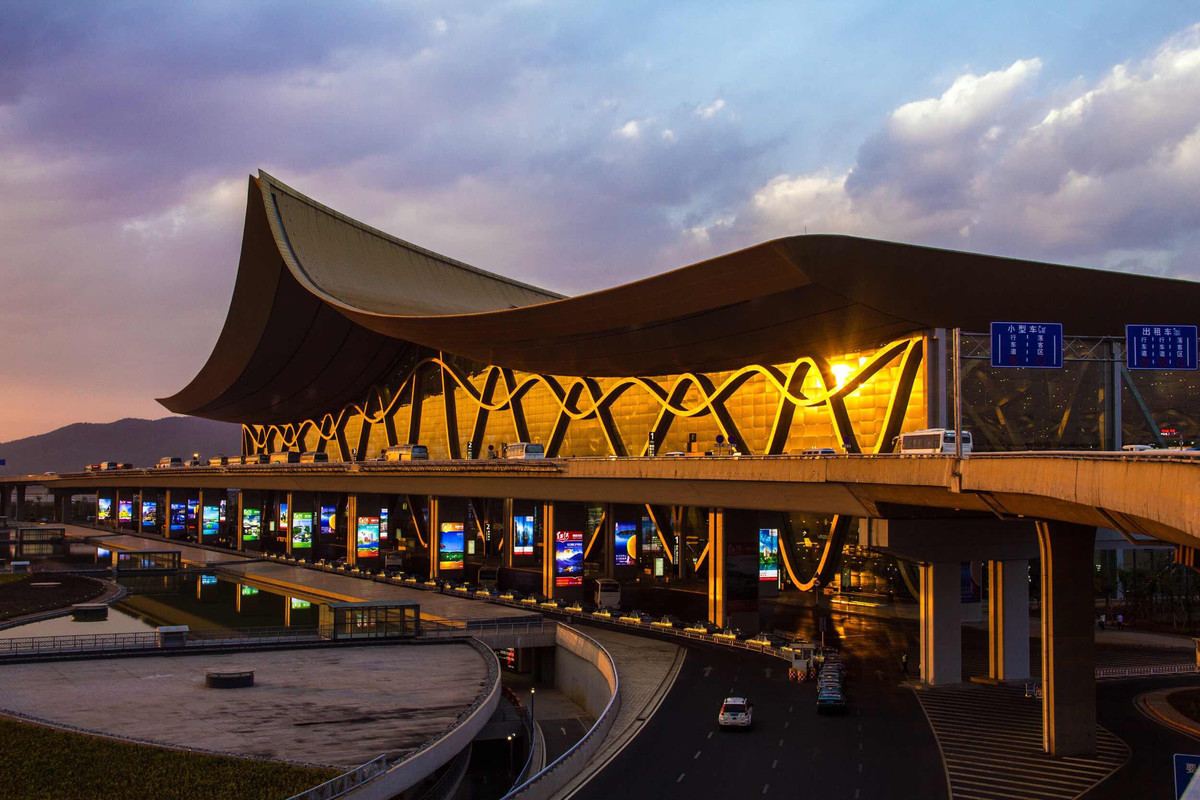
Kunming airport car rental for foreigners: how toll receipts and payment records work for foreign travellers without local bank accounts
I stood in the arrivals hall at Kunming Changshui last April, backpack strap digging into my shoulder, sweat sticking my shirt to my back after a 12-hour flight from Manchester. The air smelled like jasmine and fried potato from a stall by the exit. I’d booked a Yunnan self-drive rental for foreigners online beforehand, but the one thing I’d fretted over for weeks was tolls. No Chinese bank account, no Alipay, no clue how the motorway system took payment.
Turns out I needn’t have lost sleep over it. But I did make a few daft mistakes on that first run from Kunming to Dali, so I’ll walk you through what I learned.
First: picking up the car and getting your temporary licence
I’d gone for the VW Lavida 1.5L petrol, 260 RMB a day, unlimited mileage. Sensible choice for a solo trip, I told myself, even if I stared longingly at the Tank 300s lined up by the depot entrance. The rental deposit was 3,000 RMB, which I paid on my international credit card — no local account needed for that part.
I’d arranged a China temporary driving licence through the rental firm for 1,500 RMB, no in-person visit required. It was sitting in an envelope on the counter when I arrived, along with a printed map and a list of recommended tea stops halfway to Dali. The guy behind the counter, whose name badge I couldn’t read, tapped the licence with his pen and said, “Toll booths take cash or card. Most take card. Keep all receipts.”
I nodded, but I was already thinking about the mountain roads.
How toll payment actually works on Yunnan motorways
The first toll booth hit me 40 minutes out of Kunming, on the stretch towards Chuxiong. I fumbled in my pocket for a handful of 100 RMB notes I’d exchanged at the airport, and held one out the window. The attendant shook her head, pointed at a card reader mounted by the booth, and said something in Mandarin I didn’t catch.
I fumbled for my credit card, slid it into the machine, and the barrier lifted 10 seconds later. Receipt printed out straight away, thin pink paper that curled at the edges in the heat.
Over the next two weeks, I passed through maybe 30 toll booths on routes between Kunming, Dali, Lijiang and Shangri-La. Most took my international credit card without a hitch. A couple of the smaller, more rural booths only took cash, so I kept 300 RMB in notes in the glove box at all times, just in case.
That’s the first thing I’d tell anyone doing Dali Lijiang car rental for foreigners: carry a small cash float for tolls. Don’t rely 100% on plastic. I got stuck once outside a tiny booth near Lijiang, no cash, had to flag down a local driver who swapped me notes for a transfer I couldn’t even make. Embarrassing, but he laughed and gave me the money anyway. Still, don’t be me.
Keeping track of receipts and payment records
I stuffed every toll receipt into the door pocket of the Lavida, which was a terrible idea. By the time I got to Lijiang, there were 20-odd bits of paper in there, mixed up with sweet wrappers and a crumpled park ticket.
When I returned the car, the depot staff asked if I had all toll receipts. I stared at the pile and said, “Er, most of them?”
He didn’t look cross, just sighed a little and explained that if there were any unpaid tolls, they’d come out of my rental deposit. The deposit is refunded 5-7 working days after return, once a traffic-fine check is complete — and unpaid tolls count against that too.
Here’s what I wish I’d done from the start:
- Keep a small envelope in the glove box, and drop every toll receipt in it immediately after you get it
- Write the date and location on the back of each receipt while you’re waiting at the next red light
- Take a photo of each receipt on your phone, just in case you lose the paper copy
It sounds fussy. It is fussy. But it saves you a headache when you’re dropping the car off, bleary-eyed from a 6-hour drive and already thinking about your flight home.
What about payment records if you use a card?
My credit card statement showed every toll transaction clearly, with the toll operator’s name and the amount in RMB. That came in handy when I couldn’t find one receipt for a booth near Shangri-La. I pulled up my banking app, showed the transaction to the rental guy, and he nodded and marked it as paid.
He did say that if there’s a discrepancy, they can check the vehicle’s toll records too, but it slows down the deposit refund. So better to keep your own records straight.
A quick note on one-way rentals
I ended up dropping the car off in Lijiang instead of Kunming, because I’d extended my trip by three days and didn’t fancy the long drive back. The one-way return fee was 1,500 RMB, which I paid on the same card I’d used for the deposit. No hassle, just filled out a quick form and handed over the keys.
I did consider upgrading to the Tank 300 for the mountain roads around Shangri-La, but at 400 RMB a day with a 300 km per day limit, it didn’t make sense for the amount of driving I was doing. The Lavida handled the winding roads fine, even if it struggled a bit on the steeper climbs. I’d go for the Tank if I was travelling with three other people and lots of gear, but for solo travel, the smaller car was more than enough.
Insurance and damage: what you need to know
I scraped the side of the car on a stone wall in a tiny village outside Dali, trying to squeeze past a parked tractor. I panicked at first, then got out and looked at the scratch. It was light, didn’t go through to the primer, so when I mentioned it at drop-off, the guy just waved it away. No charge.
Scratches that don’t damage the primer are free, remember that. Minor scratches under 1,500 RMB you pay for yourself; anything above that goes through insurance and you pay 30%. No downtime or depreciation charges for paintwork or replaced parts, which is a relief — I’ve been stung by that in other countries.
The insurance includes compulsory and commercial cover, which the rental firm sorts out for you. I didn’t have to arrange anything separately, which was good because I’d have had no idea where to start.
Final tips for your trip
Pickup and return at the airport or the city office — I picked up at the airport because I was jet-lagged and didn’t want to faff with a taxi into town. Drop-off in Lijiang was at their city office, which was a 10-minute walk from my guesthouse, so that worked out fine.
Navigation: I downloaded an offline map before I left home, and it worked perfectly for all the main routes. Parking in Dali and Lijiang old towns is a nightmare, so I usually parked on the edge and walked in. Cheaper, and less stress.
Seasonality: I went in April, which was warm and dry, perfect for driving. I’ve heard the roads can get slippery in the rainy season, so if you’re going between June and August, take it slower on the mountain passes.
The booking deposit of 600 RMB is non-refundable if you cancel for personal reasons. I almost cancelled a week before my trip because of a work issue, and I’m so glad I didn’t. Yunnan’s roads are worth every penny.
Last thing: check the car thoroughly on pickup. Walk around it, take photos of every scratch and dent, even the tiny ones. It takes five minutes, and it saves arguments when you bring it back. I missed a small dent on the rear bumper when I picked up the Lavida, and I was convinced I’d done it until the guy pulled up the pre-rental photos. Awkward.
That’s it. Tolls are simpler than you think, even without a local bank account. Just carry some cash, keep your receipts, and don’t panic if you fumble at a booth. Everyone’s been there.