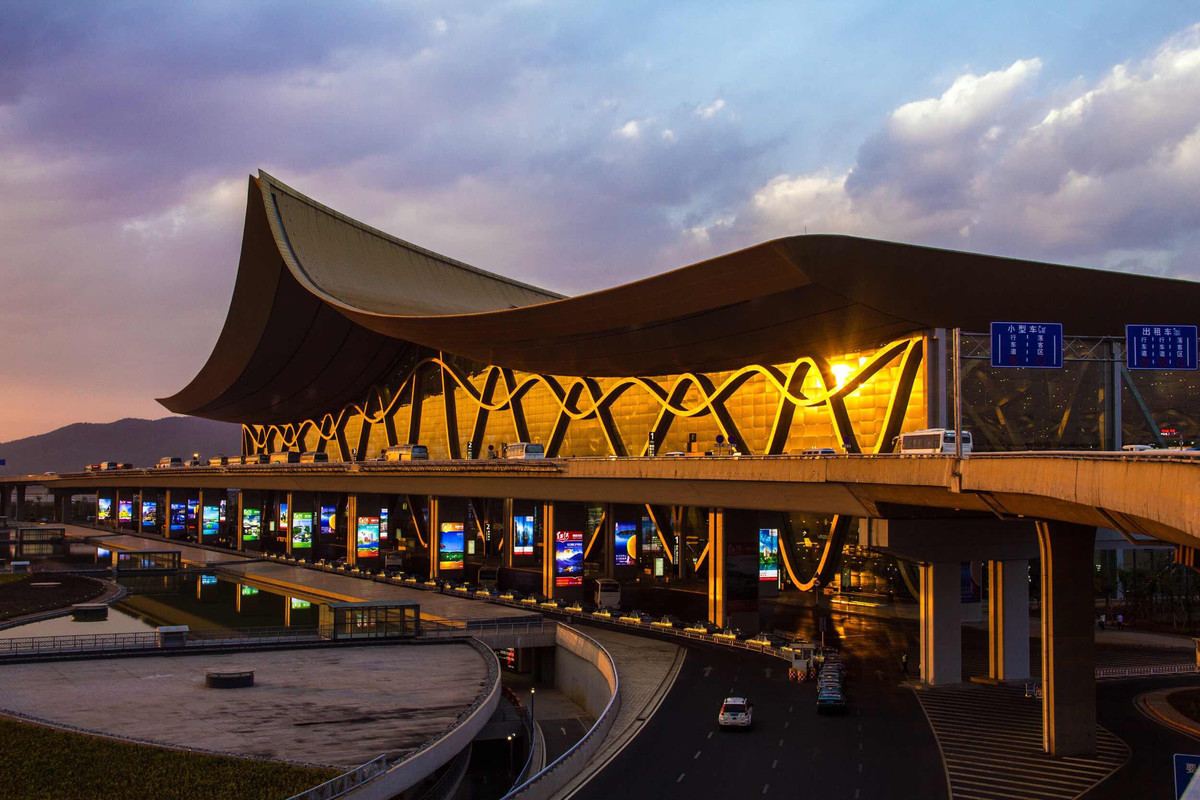
Why Extra Boot Space Matters For Yunnan’s Hiking Crowd
I was parked on the shoulder of the road just outside Dali last October, rain spattering the windscreen, watching a group of overseas hikers huddle around a standard saloon car trying to jam two 70-litre hiking packs, a pair of folding mountain bikes, and three foam sleeping mats into a boot that was already crammed full of their carry-on luggage. One of them dropped a water bottle under the wheel arch and swore loud enough I could hear it through my closed window. I’d been there three years prior, on my first Yunnan overland trip, making the exact same mistake. I’d booked the smallest available saloon, assuming all my hiking gear would fit in the back seat, and spent three days hunched over the steering wheel because my 65-litre pack was wedged between the driver and passenger seat, digging into my hip every time I took a corner. Yunnan self-drive rental for foreigners has one bottleneck, and this is it.
That’s the moment I started prioritising boot space above almost every other spec for these trips, especially if you’re flying in with hardshell ski boots, trekking poles, full camping sets, or surfboards you plan to drag out to Erhai Lake’s quieter eastern shores. This guide walks you through exactly how to request that extra space when you pick up, no faff, no last-minute panics by Kunming airport’s arrival doors. That is the side of Dali Lijiang car rental for foreigners the brochures leave out.
The Pre-Booking Request Process At Kunming Airport
When you first submit your booking query, mention your gear list clearly. Don’t just say “I have a lot of stuff”. List the bulky items: two 75-litre hiking packs, a foldable kayak, three pairs of full-length snowboards, whatever you’re bringing. That lets the team set aside a vehicle with enough boot volume before it gets snapped up by someone else doing a Dali Lijiang car rental for foreigners who didn’t think to specify their needs ahead of time. Everyone I know who has dealt with Yunnan self-drive rental for foreigners tripped on this.
I once saw a couple turn up at the pickup desk with two full sets of downhill mountain bikes, no advance warning, and the only vehicle left that could fit them was booked for a group arriving three hours later. They had to wait around the airport arrivals hall for half the day, killing their planned first afternoon hiking the trails around the Western Hills outside Kunming. It’s an easily avoidable mess. The tricky part of Kunming airport car rental for foreigners is always the bit nobody explains.
The China temporary driving licence can be arranged for 1500 without you attending in person, so you don’t even need to carve extra time out of your arrival schedule to sort that paperwork out while you’re juggling your gear bags by the kerb. I’ve done this twice now, and the paperwork was sitting on the pickup desk waiting for me when I landed, no extra steps required.
Which Vehicles Work For Large Gear Loads
Let’s break down your options, no fluff:
- The VW Lavida 1.5L or Jetta 1.4T petrol, at 260 RMB per day, has enough boot space for two average 50-litre hiking packs plus a couple of smaller duffels, but if you’ve got bulkier extended trekking gear, you’ll struggle. The rental deposit here is 3000 RMB, with unlimited mileage, which works well if you’re sticking to tarmacked roads around Dali’s lake shore and Lijiang’s old town access routes.
- The Tank 300 2.0T, at 400 RMB per day, has a far bigger, squarer boot that will swallow four 70-litre packs, two full sets of trekking poles, a portable camping stove and a cooler box without you having to leave any seats folded down. The rental deposit here is 5000 RMB, and there is a 300 km per day limit, which I’ve never found restrictive even when I’m driving from Dali up to Shangri-La and back in a single day.
Don’t waste money on a bigger vehicle than you need, but don’t cut corners either. I once tried to cram my full 80-litre pack plus a portable bivvy bag into a Lavida on a multi-day hike trip to the Cangshan range, and the boot wouldn’t even close properly. I had to lash the lid shut with a spare trekking pole strap, and drove 40 km with one hand holding the boot down, which was ridiculous. Just pay the extra 140 RMB a day for the Tank 300 if you’ve got serious kit. It’s worth it.
Checking Boot Space At Pickup
When you get to the Kunming airport pickup point, don’t just sign the checklist and jump in the driver’s seat. Pop the boot first. Dump all your gear in there right there in the car park, before you sign anything. Last year I helped a Canadian hiker rearrange his stack of 60-litre packs in the car park, and we realised half his camping gear wouldn’t fit, even though he’d requested extra space. The staff on site swapped him over to a Tank 300 there and then, no arguments, because he’d flagged his gear needs in the pre-booking notes. If he’d have signed the checklist and driven off, he’d have had to drive back to the airport later, wasting half a day of his trip.
That’s the benefit of booking through a local operator that does Yunnan self-drive rental for foreigners full time, they don’t mess you around when you’ve made a reasonable request ahead of time. The pickup and return checklist covers all the pre-existing scratches too, so take a photo of every mark before you drive away, no exceptions. I still have a blurry photo of a tiny scratch on the rear bumper of a Jetta I drove around Lijiang two years ago, saved in my phone, just in case.
Key Fine Print You Need To Know Before You Set Off
The rental deposit is refunded 5-7 working days after you return the vehicle, once the traffic fine check is complete, so don’t panic if you don’t see the money hit your account the second you hand the keys back. The insurance includes compulsory and commercial cover, but minor scratches under 1500 RMB are paid by you, while damage above 1500 RMB goes through insurance with you bearing 30% of the cost. Scratches that don’t damage the primer are free, no downtime or depreciation charges for paintwork or replaced parts, and downtime is waived within 5 days for major damage. That’s far more lenient than most rental setups I’ve used elsewhere in the world.
If the vehicle breaks down for a mechanical reason, it’s all covered. Towing for a client-caused reason is at your expense, so don’t try to drive up unmarked muddy tracks on the side of Cangshan that you saw on a random social media reel, I’ve seen people get stuck there and end up paying a fortune for a tow truck to haul them back to the main road.
The booking deposit of 600 RMB is non-refundable if you cancel for personal reasons, so make sure your hiking trip plans are locked in before you pay that over. I learnt that the hard way when a friend got sick two days before we were due to fly out, and we lost the booking deposit entirely. Worth factoring that into your planning.
One-Way Returns And Multi-Stop Trips
If you’re doing a classic northbound route from Kunming to Dali then Lijiang and don’t want to drive all the way back to the airport to drop the car off, the one-way return fee for dropping off in Lijiang is 1500 RMB. That works out far cheaper than adding an extra 600 km of driving to the end of your trip when you’re already tired after a week of hiking 3000m passes around Shangri-La. Last time I did that route, I dropped the car off right outside Lijiang’s high speed rail station, hopped on a train back to Kunming, and didn’t have to think about the vehicle again.
Kunming airport car rental for foreigners is set up to handle this exact kind of flexible itinerary, as long as you mention the one-way drop off when you make your initial booking request, alongside your note about extra boot space. No surprises, no last-minute extra charges.
I’ve lost count of how many times I’ve pulled into a remote village tea house outside Dali, boot crammed full of hiking gear, and watched other overseas travellers struggle with overstuffed back seats and gear sticking out of open windows. Taking ten minutes to sort your boot space request properly before you land takes all that hassle away. You can focus on the views, the cold air at high altitude, the quiet mountain trails, not whether your pack is going to slide off the back seat and onto the gear stick mid-corner.