The time I hit an unexpected motorway closure between Kunming and Dali
I was behind the wheel of a VW Lavida 1.5L last October, sun glinting off the red plateau soil that lines the westbound stretch of the Kunming-Dali expressway, when the sat nav cut out mid-track and blared a sharp reroute alert. I’d left Kunming Changshui Airport at 9am, still fumbling with the heater dials and the crumpled road map I’d stuffed in the door pocket before pickup. A few hundred metres ahead, a uniformed road marshal waved all traffic off at a slip road I’d never seen marked on any of the pre-trip route notes I’d scribbled down over coffee the night before. Dali Lijiang car rental for foreigners has one bottleneck, and this is it.
It was 12 degrees, the kind of crisp high-altitude chill that seeps through your jacket cuffs if you stop for more than five minutes, and I had a car full of camping gear and a half-empty thermos of pu’er tea. I’d done this drive half a dozen times before, but never run into a full expressway closure for unscheduled resurfacing, no advance warning posted on any public travel board I’d checked before leaving the UK. That’s the thing about Yunnan self-drive rental for foreigners that no one tells you in the pre-departure briefs: road maintenance crews often work outside peak tourist season, and closures can pop up for 10 or 20 kilometre stretches with less than an hour’s notice.
I pulled over at the side of the slip road, rolled the window down, and yelled over to the marshal. He gestured down a narrow tarmac lane that curved off between terraced tea fields, no road signs in English, no estimated detour time listed anywhere. A group of local lads on motorbikes pulled up next to me, grinning, and one of them pointed further down the lane and said something in broken Mandarin that I parsed as “Dali, two hours, go that way”. That is the side of Yunnan self-drive rental for foreigners the brochures leave out.
Prepping before you even leave Kunming airport arrivals
When you arrange Kunming airport car rental for foreigners, there’s a small stack of paperwork you sign off on at the pickup desk, and most people flick past the supplementary notes that list local travel tips. I didn’t the first time I rented, and paid for it later when I got lost on a back road near Chuxiong as dusk fell. The pickup process itself is straightforward: your China temporary driving licence can be arranged for 1500 without you attending in person, so it’s ready and waiting for you when you land, no extra trips to local offices required.
The two most common vehicles for this route are the VW Lavida 1.5L or Jetta 1.4T petrol, at 260 RMB per day with a 3000 RMB rental deposit and unlimited mileage, or the Tank 300 2.0T if you’re planning to veer off more paved main roads, at 400 RMB per day, 5000 RMB rental deposit and a 300 km per day limit. I almost always go for the Lavida for the Kunming to Dali run, it’s light on the winding mountain bends and the boot fits two large suitcases and a cooler bag full of cold beer for the Dali lakefront without a fuss. Everyone I know who has dealt with Kunming airport car rental for foreigners tripped on this.
Before you turn the key in the ignition, take two minutes to ask the pickup staff for the printed local detour cheat sheet they keep behind the desk. It’s not flashy, just a folded A4 sheet marked with the three most frequent expressway closure stretches between Kunming and Dali, and the small local roads that bypass them. No one offers it up unprompted, I’ve learnt, but it’s saved me hours of wrong turns more than once.
Don’t skip the pre-drive walkaround either. Minor scratches under 1500 RMB are paid by the client, but any scratches that don’t damage the primer are free, so run your hand along the bumper and the side panels and point out any existing marks before you leave the car park. The rental deposit is refunded 5-7 working days after you return the vehicle, once the traffic fine check is complete, so there’s no last-minute haggling over damage you didn’t cause.
What to do the second you see a closure sign
Don’t panic. I’ve seen overseas drivers slam on their brakes and try to U-turn on the expressway hard shoulder, that’s the fastest way to cause a minor shunt.
Pull over onto the nearest hard shoulder, turn your hazard lights on, and roll the window down to ask the road marshal exactly where the detour spits you back onto the main expressway. Most of these maintenance closures are only 10 to 30 km long, so the detour will never take you more than 40 km off your planned route.
That day back in October, I followed the lane the motorbike lads had pointed me down, past villages where old ladies were hanging chilli peppers out to dry on lines strung between mud brick houses, past small streams where kids were chasing ducks, and after 25 minutes of slow, winding driving I popped right back onto the expressway 3 km ahead of the maintenance works. I didn’t lose any time, and I got to stop at a tiny roadside stall for a plate of steaming crossing-the-bridge noodles that was better than any restaurant I’ve tried in central Dali.
I don’t recommend trying to follow the default sat nav detour, by the way. More than once it’s tried to send me up an unpaved farm track that ends at a rice paddy, no way through. The local staff who handle Dali Lijiang car rental for foreigners know these back roads better than any pre-loaded mapping system, which is why that crumpled printed cheat sheet is worth its weight in gold.
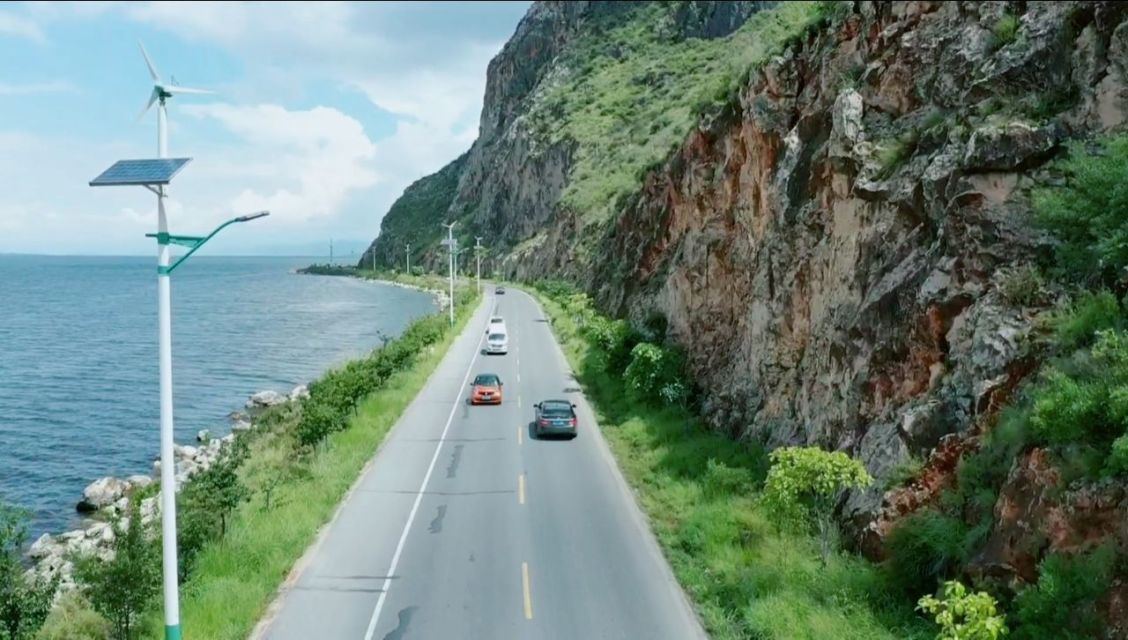
If you’re continuing on to Lijiang after Dali, the same logic applies. The stretch of expressway between Dali and Lijiang that runs past Erhai Lake is often closed for resurfacing in late spring, when the rain makes the tarmac crack and pothole. The detour there runs along the old lakeside road, past small guesthouses and fishing jetties, and you can pull over for 10 minutes to watch the cormorant fishermen bring in their nets if you’ve got time to spare. The one-way return fee if you drop the car off in Lijiang is 1500 RMB, which I think is well worth it to avoid backtracking the same stretch twice when you could be exploring different roads.
Quick, unwritten rules for safe detour driving
Slow right down when you pass through small villages on these back roads. Chickens, dogs, and the occasional goat will wander straight out into the tarmac without warning, and local drivers expect you to give way, not floor it to get past. There are no speed cameras on these detour lanes, but that’s no excuse to push the Lavida’s engine past 3000 RPM on the hairpin bends.
Insurance includes compulsory and commercial cover, remember. Damage above 1500 RMB goes through insurance with the client bearing 30% of the cost, and downtime is waived within 5 days for major damage, no downtime or depreciation charges for paintwork or replaced parts. If the vehicle breaks down for a mechanical reason, that’s covered, but towing for a client-caused reason is at your own expense. I keep a 2 litre bottle of water in the footwell just in case, for both the radiator and my own water bottle if I end up stuck somewhere with no shops nearby.
Last month I met a couple from Manchester who’d booked Yunnan self-drive rental for foreigners and had tried to take a detour marked on a random tourist blog, which led them up a steep rutted track that they couldn’t turn around on. They’d scratched the side of the car on a rock, but because the scratch didn’t break the primer, they didn’t pay a penny for the damage. That’s the kind of small detail you don’t find out until you chat to someone who’s done the drive before.
If it starts raining heavily, pull over. The red soil turns to slick mud on the unmarked back lanes, and even the Tank 300 will slip if you take a bend too fast. I once waited 40 minutes out for a thunderstorm to pass under a tree next to a tobacco field, watching the lightning flicker over the Cangshan mountain peaks in the distance, and it was one of the nicest unplanned stops I’ve had on any Yunnan road trip.
Booking deposit of 600 RMB is non-refundable if you cancel for personal reasons, so it’s worth checking the local road condition updates the morning you pick the car up, even if you checked the day before. That’s a small habit that’s saved me from turning up at the airport with no drive planned when a sudden landslide warning closes the main road west.
Don’t overcomplicate it. Half the fun of self-driving around this part of Yunnan is the bits that don’t go to plan. That unexpected closure I hit back in October led me to a tiny family run guesthouse 10 km outside Dali that I now stay at every time I pass through, with a balcony that looks straight out over Erhai Lake and serves homemade wild honey on toast for breakfast.
You don’t need to pack a boot full of emergency gear, just take that printed detour sheet from the pickup desk, keep your speed low through the villages, and stop and ask a local if you’re unsure where the road leads. No one’s going to mind, most people will wave you on and point you in the right direction, and you’ll end up in Dali before you know it.