Dali Lijiang car rental for foreigners: the start of my Cangshan overnight park mission
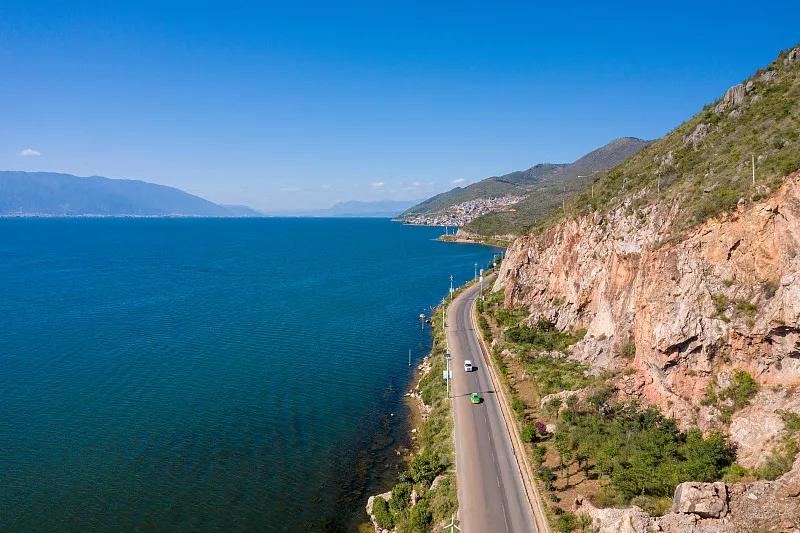
Last October, I pulled off the main Dali old town ring road at golden hour, windows cranked all the way down, the sharp, pine-tinged wind off Cangshan tangling my hair, and realised I’d made a daft call. I’d spent the whole day cruising Erhai’s eastern shore in a 1.5L VW Lavida, and I’d booked a hostel 20 minutes’ walk from the Cangshan east foot trailhead I wanted to hike at dawn, but the hostel’s tiny car park was full, and the public lot half a kilometre away charged 80 RMB for 12 hours. That’s daft, I thought. There has to be a better way. Yunnan self-drive rental for foreigners has one bottleneck, and this is it.
I’ve put more than 7,000 km on Yunnan’s paved and gently rutted back roads over the last three years, mostly in that same trusty Lavida, and I’ve tested every half-decent low-cost overnight parking spot within 5 km of Cangshan’s east side trailheads, the ones that make sense if you’re doing a multi-day self-drive loop through the region. I picked up my first rental for this exact route via Kunming airport car rental for foreigners on a drizzly Tuesday, stepping off a red-eye from Chengdu and grabbing the keys before I’d even had my first bowl of cross-bridge rice noodles. Back then I didn’t know the first thing about local parking quirks, and I wasted nearly 200 RMB over three nights on overpriced lots near tourist hubs. Now I’ve got the whole routine dialled in, and I’m passing it on so you don’t waste your holiday budget on unnecessary parking fees. That is the side of Yunnan self-drive rental for foreigners the brochures leave out.
First, the pre-trip rental bits you need to lock in
If you’re planning to weave between Dali’s old cobblestone lanes, Lijiang’s snow-dusted old town, and the winding access roads up to Cangshan’s lower trails, Yunnan self-drive rental for foreigners is far more flexible than relying on intercity buses or booked day tours. You can stop for as long as you like at a roadside strawberry stall, pull over to watch the sunset paint Erhai pink, and roll up to a trailhead at 6 a.m. when all the tour groups are still eating breakfast.
You’ll need a China temporary driving licence, which can be arranged for 1500 RMB without you needing to attend in person. No hoops to jump through at a local traffic office, no waiting around half the day for processing. The two most common vehicles for this sort of trip are the VW Lavida 1.5L or Jetta 1.4T petrol, at 260 RMB per day with a 3000 RMB rental deposit and unlimited mileage, which is perfect for the smooth tarmac roads leading up to all the main Cangshan trailheads. If you’re planning to veer off onto some of the rougher, unpaved access tracks further up the mountain, the Tank 300 2.0T runs 400 RMB a day, with a 5000 RMB rental deposit and a 300 km per day limit. One-way returns, say if you drop the car off in Lijiang instead of looping back to Dali, come with a 1500 RMB fee.
The rental deposit gets refunded 5-7 working days after you drop the car back, once the traffic fine check is complete. All bookings include compulsory and commercial insurance. Minor scratches under 1500 RMB are paid by you, damage above that goes through insurance with you bearing 30% of the cost. Scratches that don’t damage the primer are free, there are no downtime or depreciation charges for paintwork or replaced parts, and downtime is waived within 5 days for major damage. If the car breaks down for a mechanical reason, that’s covered. Towing for a client-caused reason is at your expense. The 600 RMB booking deposit is non-refundable if you cancel for personal reasons. I’ve had to make a small scratch claim once, on a narrow lane outside Xizhou, and the whole process was sorted in 20 minutes, no hidden fees, no haggling.
Pickup and return works at the airport or any local city office, so if you fly straight into Kunming and want to start your loop there, Kunming airport car rental for foreigners is set up to let you grab your keys right outside the arrivals hall, no detours across the city.
My three go-to low-cost overnight parking spots near Cangshan east foot trailheads
After that first daft night where I paid over the odds for a spot that was still a 25 minute walk from my trail, I spent four evenings driving up and down the east foot of Cangshan, testing every possible spot, asking local tea farmers and guesthouse owners for tips, and logging every fee. None of these spots are marked on mainstream navigation apps, which is why most overseas visitors never find them.
- The west end of Yu’an Road, near the Cangshan Global Geopark south gate trailhead. I stumbled on this by accident when I stopped to buy a bag of wild hazelnuts from an old lady sitting by the roadside. The wide, smooth paved verge is just off the main road, 100 metres from the trailhead entrance, and the local neighbourhood committee runs a small, unmanned lot here that costs 10 RMB for 24 hours. There’s a public toilet 50 metres away, a small 24 hour convenience store around the corner, and it’s quiet enough that you won’t get woken by passing tour buses at 7 a.m. I’ve left my Lavida here for three nights in a row, no issues, no dings, no hassle. The only catch is there are only 17 spots, so roll up before 6 p.m. in peak autumn season if you want to snag one.
- The small guesthouse compound 200m north of the Jade Belt Road midpoint trailhead. The owner is a tea farmer who turned half his family’s old tea drying yard into parking spots for self-drive visitors three years ago. He charges 15 RMB a night, and if you buy a 20 RMB bag of his home roasted Tie Guan Yin, he knocks the parking fee down to zero. There’s a hose you can use to rinse dust off your car, and he’ll even leave a bucket of wild chrysanthemums on your bonnet if you mention you’re heading out for an early hike. I brought a jar of homemade lemon curd with me on my last visit, and we sat on his porch drinking tea for an hour, him pointing out all the hidden hiking routes that don’t show up on any maps.
- The public village lot at the base of the Gantong Cableway lower station trailhead. Most tourists drive straight into the official cableway car park, which charges 50 RMB a night, but if you turn left 300 metres before the cableway entrance, you’ll see a small, unmarked lot run by the nearby village. It costs 8 RMB for 24 hours, and the local auntie who runs it will keep an eye on your car while you’re up the mountain. She doesn’t speak much Mandarin, let alone English, but a smile and a quick point at your car keys and your hiking boots is all you need to sort the spot. There’s a small stall outside that sells hot sweet potato at dawn, which is perfect fuel before you start a long hike.
I don’t recommend parking on unmarked verges further up the mountain, even if you see other local cars doing it. Last trip I saw a rental car get a 50 RMB parking ticket for stopping off the trail near the mid-level cableway, and that’s a faff you don’t need when you’re halfway through a hike. All the spots I’ve listed above are fully legitimate, no risk of tickets, no awkward run-ins with local wardens.
Quick little hacks I wish someone had told me on my first trip
Dali Lijiang car rental for foreigners opens up so many of these little hidden spots that you’d never reach on public transport, but there are a couple of small tricks that make the whole experience run smoother. Fill up your petrol tank in Dali old town before you head up to the trailheads. The small petrol stations near the mountain charge a few yuan extra a litre, and it’s easy to get caught short on fuel if you decide to take a longer detour up a back road.
Don’t leave any valuables visible on the seats when you head off hiking. I once left my waterproof jacket on the back seat, and a curious mountain squirrel chewed through the window seal to get at the half-empty packet of salted peanuts I’d left in the pocket. The damage was tiny, didn’t break the primer, so it was covered for free, but it was a daft, avoidable mess.
If you’re planning to do the full Yunnan loop, driving from Kunming to Dali, then up to Lijiang, you don’t have to retrace your steps all the way back to your original pickup point. The one-way return fee for dropping off in Lijiang is 1500 RMB, which works out far cheaper than wasting two days driving back south when you could be exploring the Lijiang surrounding trails.
Last month I parked at that little tea farmer’s lot, drank three cups of his tea, and watched the sun set over Erhai, the lake turning that soft burnt orange that only happens for 10 minutes a day in late autumn. A group of local hikers pulled up in an old Jetta, laughed when I told them how much I used to pay for parking near the trailheads, and offered me a slice of their homemade mooncake. That’s the bit of self-drive travel you can’t plan for. It’s the bits you stumble on, the unmarked parking spots, the random cups of tea, the roadside hazelnut stalls, that stick with you long after you’ve dropped the car back.
You don’t need a fancy 4x4 for any of these parking spots, by the way. The 1.5L Lavida handles every single one of the access roads with no trouble at all. Save the Tank 300 for the longer, rougher drives further north towards Shangri-La, if that’s on your itinerary. For the Cangshan east foot trails, the smaller petrol car is easier to manoeuvre, easier to slot into those tiny hidden parking spots, and you’ll save a chunk of cash on the daily rental rate.