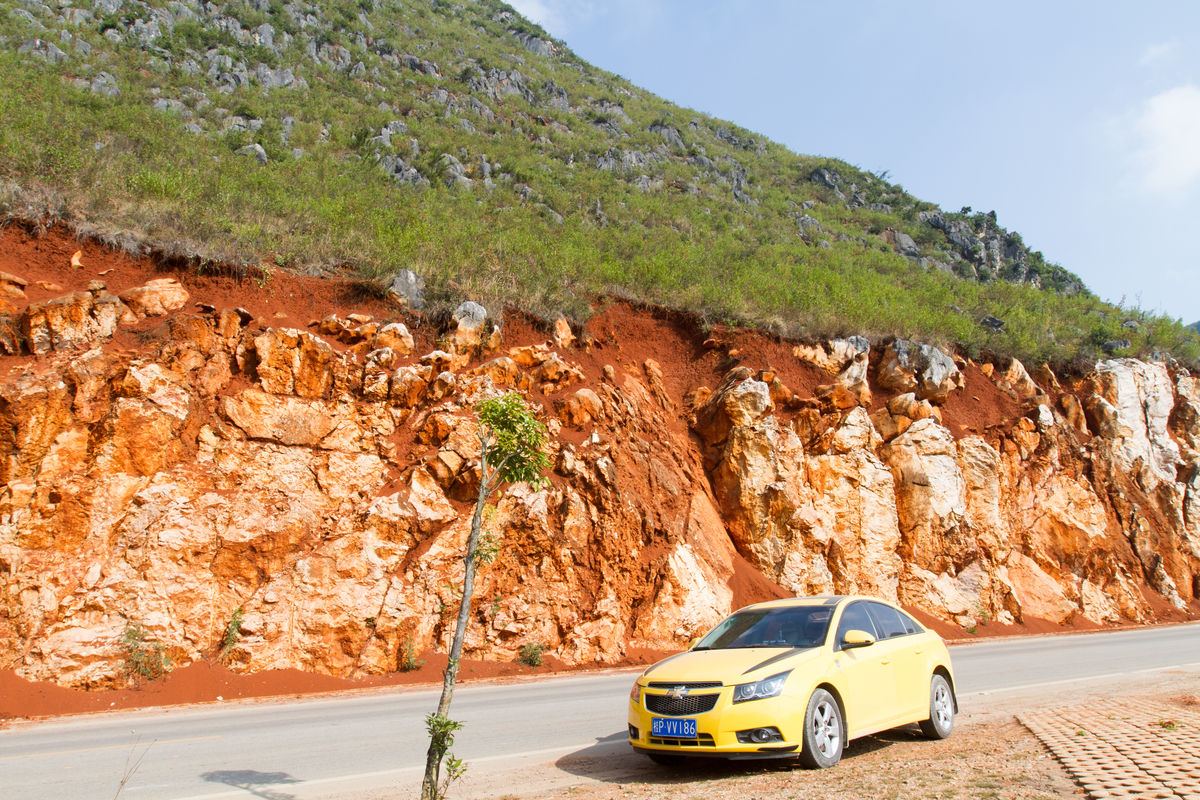
Dali Lijiang car rental for foreigners: wiper and defroster checks for Yunnan’s rainy season
I was hunched over a rental car parked on the shoulder outside Xizhou last July, rain sheeting so hard I could barely make out the outline of the Cangshan peaks 500 metres away, when I realised I’d skipped the one check that would have saved me 40 minutes sitting soaked in a layby. The driver’s side wiper blade had split clean down the middle halfway up the winding mountain pass, leaving a smearing, opaque streak right across my line of sight. I’d flicked the wipers on once in the car park before setting off, seen them move, and thought that was enough. Stupid mistake, especially when you’re heading out on the roads between Dali and Lijiang in monsoon season, where sudden downpours can turn a stretch of damp tarmac into a slick, low-visibility hazard in the space of a minute. Yunnan self-drive rental for foreigners has one bottleneck, and this is it.
I’ve done this route half a dozen times now, and I’ve learned that the pre-drive checks most overseas visitors skip are the ones that matter most when the heavens open. If you’re planning a Yunnan self-drive rental for foreigners trip this wet season, don’t get caught out like I did. These two simple systems – your wipers and your defroster – are the difference between a smooth, meandering drive past rice terraces and ancient villages, and a stressful stop you don’t need. That is the side of Kunming airport car rental for foreigners the brochures leave out.
How to test your wipers properly, not just flick them once
The last time I picked up a car from Kunming airport car rental for foreigners, I watched a couple from Canada jump straight in, start the engine, and reach for the navigation before they’d even closed the door properly. I flagged them down before they could pull out of the bay, and pointed at the wiper stalk. They looked at me like I was being overfussy, until we ran through the full test and found the rear wiper was completely seized. Everyone I know who has dealt with Yunnan self-drive rental for foreigners tripped on this.
It takes two minutes, no tools, no hassle. First, douse the whole windscreen with the car’s built-in washer fluid. Don’t just spritz a little – hold the lever down for three full seconds, so the whole glass is running with soapy water. Now cycle through every single wiper setting, one by one. Test the slow intermittent, the faster intermittent, the constant low speed, the constant high speed. Pause between each one to look for streaks, juddering, or spots where the blade isn’t making full contact with the glass. On that trip outside Xizhou, I’d only tested the fast constant setting, which hid the small crack in the blade that only opened up when the wiper was moving at slow intermittent speed during a light, steady drizzle. By the time the rain got heavier, the split had torn right open. The tricky part of Kunming airport car rental for foreigners is always the bit nobody explains.
Don’t forget the rear windscreen wiper, if the car has one. I once drove a VW Lavida for 100km in a storm before I realised the rear wiper wasn’t working at all, and I couldn’t see a single car coming up behind me through the fogged, rain-covered back glass. The Lavida is the one most people pick for this route, at 260 RMB a day with a 3000 RMB rental deposit and unlimited mileage, and it’s perfectly suited to the paved roads between Dali’s lake shores and Lijiang’s old town. It’s not a big off-roader, but it’s reliable, as long as you don’t skip these small checks.
Run your finger gently along the edge of each wiper blade when you’re done. If the rubber feels cracked, brittle, or crumbly, flag it with the rental team before you leave the pickup point. There’s no point arguing about it halfway up a mountain pass when you can’t see the hairpin bend 10 metres ahead.
Testing the defroster: the hidden check no one tells you about
Last June, I was driving up the high mountain road from Lijiang to Shangri-La, and the temperature dropped so fast the moment I hit the tree line that the entire inside of my windscreen fogged over in 10 seconds flat. I fumbled for the defroster button, pressed it, and nothing happened. Not a single wisp of warm air came out of the vents at the base of the windscreen. I had to roll all the windows down in the cold mountain rain, lean half my body out of the door to see the road, and creep 3km to the nearest wide layby where I could stop and sort it out. My jacket was soaked through, my hands were blue, and I almost missed the sunset over the meadows that I’d driven three hours to see.
Testing the defroster isn’t just turning the fan on and feeling for air. Start the engine, turn the interior temperature all the way up, switch the fan to its highest setting, and press the dedicated front windscreen defroster button. Then hold your hand up to each of the vents that point at the windscreen, one by one. Make sure every single one is blowing warm air, not cold, not lukewarm. Then turn the temperature all the way down to cold, and test it on the highest fan setting too. In rainy season, you’ll sometimes need cold air to clear a fogged windscreen faster than warm, especially if you’ve got four people in the car breathing warm air onto the glass on a 25C humid day.
Don’t forget the rear defroster, either, the little electric heating lines printed straight onto the rear windscreen. Most cars have a separate button for it, marked with a small icon of a window with wavy lines through it. Turn it on, wait 60 seconds, and run your palm lightly across the outside of the rear glass. You should feel it warming up in patches. If it doesn’t, that’s a problem when you’ve got rain and mist covering the back, and you’re trying to check your blind spot before overtaking on a narrow mountain road.
I don’t recommend relying on wiping the inside of the windscreen with a tissue if the defroster fails. It leaves smears that catch the glare of oncoming car headlights at dusk, which is even more dangerous than the fog was in the first place.
A few extra small tips for the rainy season drive
I always carry a small, clean microfibre cloth in the door pocket, even after I’ve tested both systems fully. You never know when someone’s spilled a bottle of water on the floor, and the extra humidity will fog a tiny patch of glass right in front of your steering wheel that the defroster can’t reach quickly.
Remember, a China temporary driving licence can be arranged for 1500 RMB without you needing to attend in person, so you don’t have to sort any of that paperwork out when you turn up at the pickup point. All the vehicles are petrol only, no electric ones, which is a relief on the winding mountain roads where charging points are few and far between. If you’re thinking of heading up some of the rougher, unpaved side tracks around the lake or further up towards Shangri-La, the Tank 300 2.0T is 400 RMB a day with a 5000 RMB rental deposit, and a 300km per day limit, which is more than enough for most leisurely day trips.
The rental deposit gets refunded 5-7 working days after you drop the car back, once the traffic fine check is complete. Insurance includes compulsory and commercial cover, and minor scratches under 1500 RMB are paid by the client, while damage above 1500 RMB goes through insurance with the client bearing 30%. Scratches that don’t damage the primer are free, no downtime or depreciation charges for paintwork or replaced parts, and downtime is waived within 5 days for major damage. If the vehicle breaks down for a mechanical reason, that’s covered, but towing for a client-caused reason is at the client’s expense. The 600 RMB booking deposit is non-refundable if you cancel for personal reasons, so it’s worth checking the weather forecast a few days before you confirm your dates, if you can.
Pickup and return is available at the airport or the city office, which is handy if you fly straight into Kunming and want to hit the road immediately, or if you end your trip in Lijiang and don’t want to drive all the way back. The one-way return fee for dropping off in Lijiang is 1500 RMB, which saves you a lot of unnecessary miles on the final leg of your trip.
Last month, I did the full pre-check routine before heading out on a drive around Erhai Lake, and the rental agent laughed and said no one ever spends that long prodding the wipers. But 40 minutes later, I was caught in that same kind of sudden, torrential downpour that hits out of nowhere off the Cangshan mountains, and the wipers worked perfectly, the defroster cleared a tiny patch of fog off the windscreen in two seconds flat, and I didn’t have a single moment of panic. I pulled over at a small tea house on the west shore, drank a cup of hot pu’er while the rain drummed on the car roof, and watched the mist curl around the peaks. No stress, no delays, no fumbling around in the dark with a torn wiper blade.
That’s the best part of this sort of trip, isn’t it? The unplanned stops, the moments where the rain slows everything down and you get to see a side of Dali and Lijiang that most visitors rushing between the old town and the main tourist spots never get to. It’s just not worth ruining that over a two minute check you could have done before you even turned the engine on.