Why a slow 6-day Yunnan self-drive rental for foreigners makes far more sense than rushing the high roads
I first drove Yunnan’s winding tarmac back in 2019, when I’d stupidly mapped a 320km day from Dali straight to Shangri-La, convinced the satnav’s 5-hour estimate left me loads of time for stops. I missed the golden hour over Erhai Lake’s eastern shores, pulled over at 3pm with a throbbing headache from the 2800m elevation jump, and had to navigate a patch of unmarked road after dark, which I still count as one of my daftest overland misjudgements. That’s why I now swear by capping every daily drive at under 150km for this part of the world. You don’t burn out, you can pull over every time you spot a village of white-washed adobe houses tucked into pine slopes, and you never have to rush a bowl of crossing bridge noodles just to make a mountain pass before the mist rolls in. Kunming airport car rental for foreigners has one bottleneck, and this is it.
Yunnan self-drive rental for foreigners isn’t about ticking off a checklist of landmarks, it’s about letting the plateau pace seep into you. And the best place to kick that off is right when you land. That is the side of Dali Lijiang car rental for foreigners the brochures leave out.
Picking up your car at Kunming airport
Last spring, I met a pair of retired Canadian travellers at the arrivals hall, who’d booked Kunming airport car rental for foreigners after hearing horror stories about trying to cram their hiking gear onto intercity buses. We walked over to the pickup bay together, and they were giddy when they saw their 1.5L VW Lavida, sitting neat with a Kunming licence plate, no fancy add-ons they didn’t ask for. The staff ran through the pickup checklist slowly, pointing out every existing scratch on the doors, so there was zero confusion later. The Lavida comes in at 260 RMB a day, with a 3000 RMB rental deposit, and unlimited mileage, which is perfect for the kind of meandering stops we all love. If you’re planning to poke up a few unpaved side tracks to remote tea villages, the 2.0T Tank 300 is 400 RMB a day, with a 5000 RMB rental deposit, and a 300km daily limit that’s more than generous when you’re only driving 150km max each day.
You won’t need to mess around with sorting out driving paperwork yourself, either. A China temporary driving licence can be arranged for 1500 RMB without you needing to attend in person, so all that’s waiting for you at the desk is your keys and a quick walk around the vehicle. The rental deposit gets refunded 5-7 working days after you drop the car back, once the routine traffic fine check is complete, and all the cover includes both compulsory and commercial insurance. Quick heads up, though: minor scratches under 1500 RMB are paid by the client, damage over that amount goes through insurance with the client covering 30%, and scratches that don’t break the primer are completely free. No downtime or depreciation charges for paintwork or replaced parts, and downtime is waived for 5 days if you run into major damage. If the car breaks down from a mechanical fault, that’s all covered, but towing for a mistake you make is at your own cost. The 600 RMB booking deposit is non-refundable if you cancel for personal reasons, so bear that in mind before you confirm your dates.
Navigation here is dead straightforward, even if you don’t speak much Chinese, and every small town you pass has clearly signed parking bays, most for a couple of RMB an hour at most. Peak season around the February spring festival and August summer holidays does get busier, so booking a couple of weeks ahead makes sense to lock in your preferred vehicle.
Day 1: Kunming to Chuxiong, 120km
I left Kunming at 10am, no 7am alarm blaring to ruin the start of the trip. The road rolls out past green terraced tea fields, and I pulled over 40 minutes in just to watch a group of old men fly kites from a roadside verge, their bright red and blue shapes darting against the hazy blue Kunming sky. You’ll roll into Chuxiong by lunchtime, and you can spend the rest of the day wandering the Yi ethnic village market, tasting fermented bean curd from a street stall, no rush to be anywhere else. I once sat on a stone wall there for an hour, just watching kids chase chickens down an alley, and I’d have missed that entirely if I’d pushed on 300km to Dali the same day.
Day 2: Chuxiong to Dali, 130km
The drive to Dali is so gentle you’ll barely notice the kilometres ticking over. The road runs parallel to the western edge of Erhai Lake for the last 30km, and the glint of sunlight on the water is so bright you’ll reach for your sunglasses before you even register it. Park up in the old town, wander the cobblestone streets, and grab a seat at a courtyard café that serves Yunnan coffee roasted that same morning. I spent three hours there once, chatting to a local potter who makes small teacups from red clay dug from the shores of Erhai, and I left with a chipped, lopsided little cup that’s still my favourite thing to bring home from any trip.
There’s no pressure to do the full 120km lap of the lake in one go, either. Save that for a lazy morning the next day, pootling past fishing villages and stopping to buy fresh walnuts from old ladies sitting on stone walls by the roadside.
Day 3: Dali slow loop of Erhai Lake, 85km
This is the shortest drive of the whole itinerary, and that’s deliberate. You can start whenever you want, no schedule. Drive the eastern shore first, where the roads are quiet, and you can pull over almost anywhere to sit on the rocks and watch white egrets fish in the shallow lake water. I once stopped at a tiny family restaurant right on the water, and the grandma running it served me a plate of steamed lake fish with fresh chilli, no menu, no bill, just a wave when I tried to hand her too much money. The western shore has more little guesthouses and craft shops, and you can potter back to Dali old town by late afternoon for a plate of savoury erkuai rice cakes from a street cart by the north gate.
Day 4: Dali to Lijiang, 125km
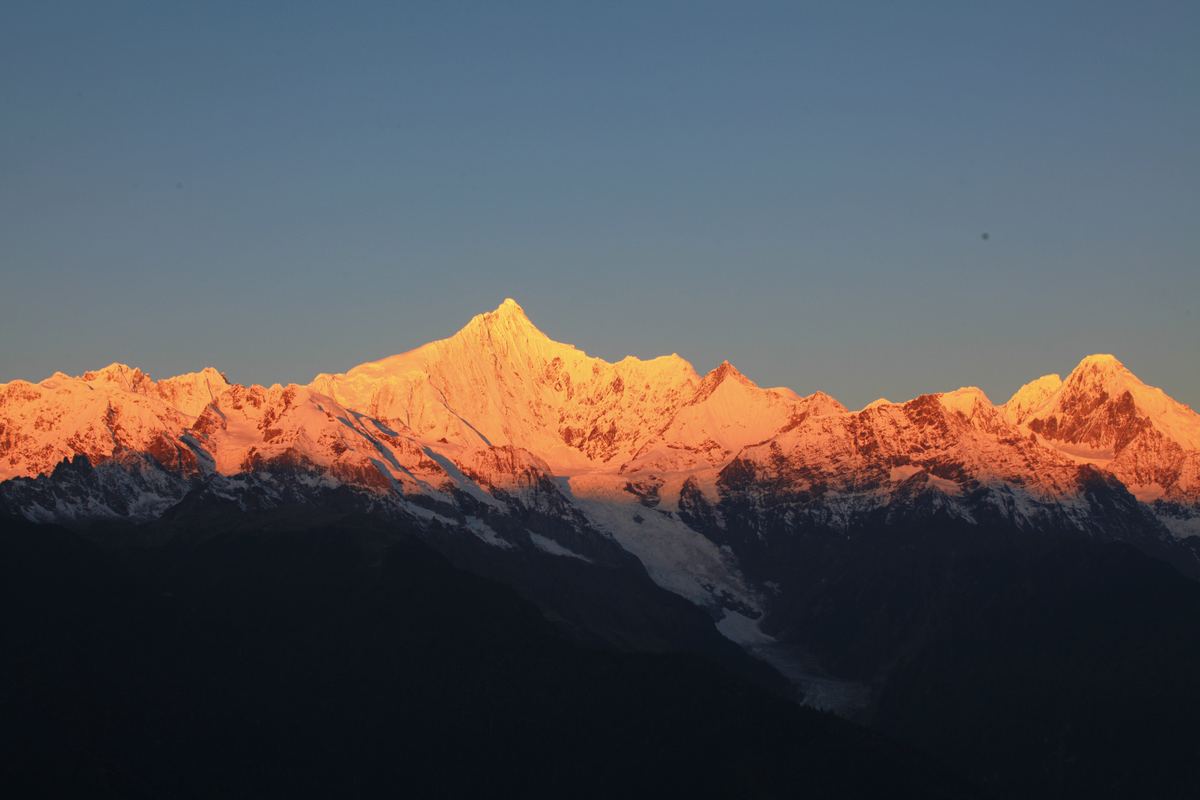
This stretch of road winds up through pine forest, and the air gets noticeably crisper the higher you climb. You’ll pass small Naxi villages with wooden houses carved with floral patterns, and I always stop at the halfway point to buy a bag of roasted chestnuts from a roadside vendor, warm through the paper bag even on cool plateau days. I’ve seen people try to do this drive in an hour flat to get to Lijiang for a sunset show, but that’s daft. You’ll miss the viewpoint that looks out over the whole valley, where you can see the snow-capped peak of Jade Dragon Mountain peeking over the treeline on a clear day.
If you’re not planning to drop the car off at Lijiang at the end of your trip, there’s a one-way return fee of 1500 RMB to bear in mind. Plenty of people I’ve travelled with have opted for Dali Lijiang car rental for foreigners, picking up in Dali and dropping off in Lijiang, to skip driving this stretch entirely if they’re short on time, but this slow drive is worth every minute. When you roll into Lijiang, park just outside the old town walls, and wander in as the lanterns start to flicker on, the stone paths still warm from the day’s sun.
Day 5: Lijiang to Shuhe and Baisha, 70km
Don’t try to drive all the way up Jade Dragon Mountain on a whim, it’s not necessary. This short loop takes you from Lijiang old town to the quieter, less crowded Shuhe ancient village, then on to Baisha, where the old murals in the local temple have been preserved for hundreds of years. I sat in a courtyard in Baisha last autumn, drinking butter tea with an elderly Naxi man who played me traditional music on a wooden flute, and we couldn’t speak a word of each other’s language, but we sat there for an hour anyway, passing the tea pot back and forth. There’s no way you’d have the time for that if you were rushing 200km up to Shangri-La and back in a day.
Day 6: Lijiang and return
Spend the morning wandering the Lijiang old town’s back alleys, the ones that don’t have the loud tourist bars, before you take the short 20km drive to the return point. I’ve seen so many travellers cut their last day short trying to cram in a 200km drive to see one more landmark, and they end up rushing through the bits they’ve actually enjoyed the most, just to make their drop-off time. It’s not worth it.
Yunnan self-drive rental for foreigners works so well here because the roads are well maintained, the signage is clear, and when you cap your daily drives at under 150km, you never get that heavy, tired feeling behind the wheel that makes you miss the small, perfect bits of the trip. I’d take this slow 6-day loop over any packed 10-day itinerary that covers three times the distance, every single time. No fatigue, no missed stops, just the plateau pace, exactly as it should be.