Last spring, I pulled over at a sun-bleached layby on the eastern shore of Erhai, the kind of spot where the lake glows pale turquoise at midday and the breeze carries the sharp, green smell of wet reeds. I’d just driven 40 minutes out of Dali old town, and I’d miscalculated one thing: I’d skipped checking where the next public rest stop was, and by the time I reached that layby, I was kicking myself.
That’s the thing about self-drive around Yunnan, right? The views pull you off the road every 10 minutes, but if you don’t know where the proper, maintained public stops are, you end up lingering at random pull-offs with no facilities, awkwardly waiting for a gap in the traffic to turn around. This guide is for anyone planning a Dali Lijiang car rental for foreigners trip, who wants to actually enjoy the Erhai loop without the little, avoidable frustrations.
First: sorting your rental before you hit the Erhai loop
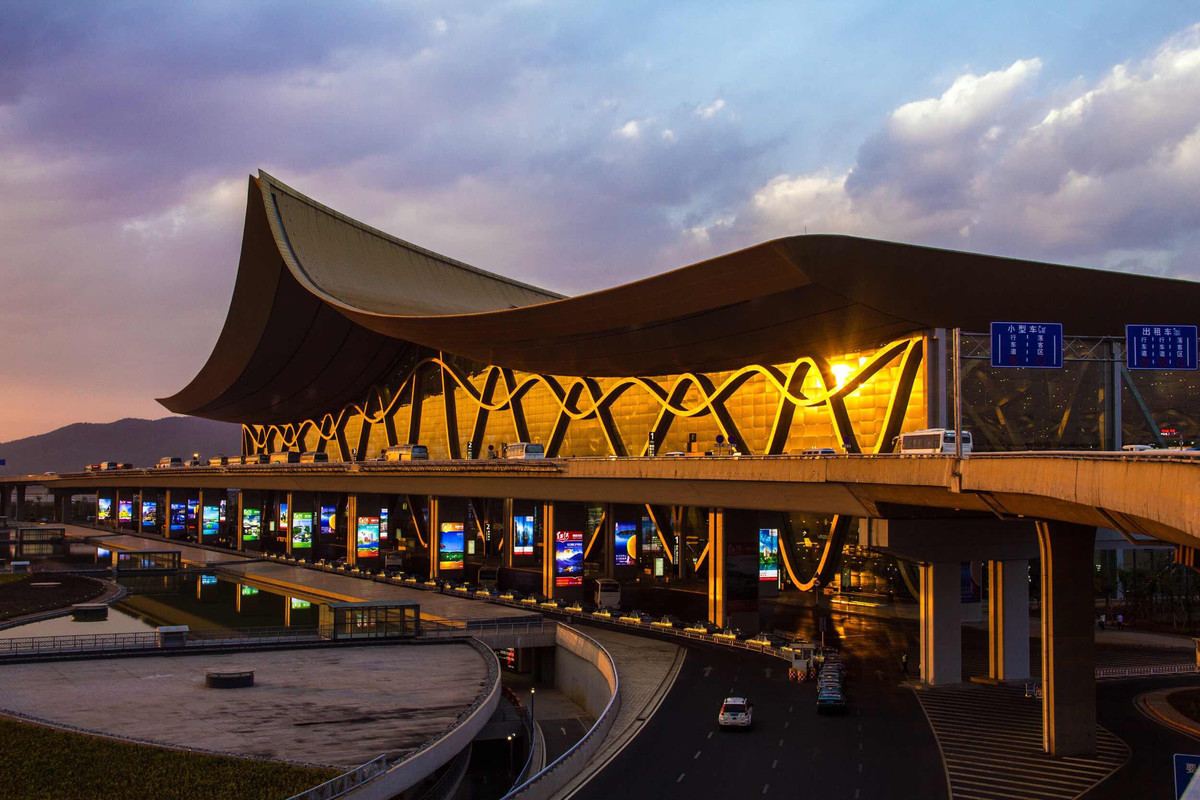
I landed at Kunming airport last March, bleary after a 12-hour flight from Manchester, and picked up my car right there at the airport forecourt. Kunming airport car rental for foreigners options are straightforward if you plan ahead: no electric vehicles are offered for this route, which is a relief, because remote charging points around Erhai are still sparse. I went for the VW Lavida 1.5L petrol, RMB 260 a day, with a RMB 3,000 rental deposit, and unlimited mileage. It was perfect for the winding lakeside roads, low enough to squeeze into tight laybys without scraping the undercarriage.
A quick note on paperwork, because this trips up so many first-time visitors: you don’t need to sort an International Driving Permit to drive here. A China temporary driving licence can be arranged for RMB 1,500, no in-person attendance required, which means you can sort it before you fly, or when you land, without trekking to a government office.
Insurance is included: compulsory and commercial cover, which takes a weight off. The rules on damage are clear: minor scratches under RMB 1,500 are paid by you, anything above that goes through insurance, with you covering 30% of the cost. Scratches that don’t break the primer? No charge at all. No downtime or depreciation fees for paintwork or replaced parts, which is a huge difference from rental rules I’ve dealt with in other countries. The deposit comes back 5-7 working days after you return the car, once they’ve run a check for unpaid traffic fines.
Yunnan self-drive rental for foreigners works best if you match the car to your route. If you’re planning to push on from Dali to Lijiang, then up to Shangri-La, the Tank 300 2.0T is RMB 400 a day, with a RMB 5,000 deposit and a 300km per day limit. Just remember: if you pick up in Dali and drop off in Lijiang, there’s a RMB 1,500 one-way return fee. I did that on my second trip, and it was worth every yuan to avoid driving back 200km just to return the car.
Finding the public rest stops along the Erhai lakeside route
The Erhai loop is roughly 120km all the way around the lake, and the public rest stops are spaced regularly enough that you’ll never have to go more than 20km without one, if you know where to look. I spent two full days driving the loop, and I mapped out the stops as I went, because half the time, the small brown sign for a rest stop is hidden behind a willow tree, easy to miss if you’re craning to look at the lake.
What the public rest stops actually offer
Most of the purpose-built public stops along the lakeside have clean, free public toilets, covered seating areas, and designated parking bays that are pulled well off the main road, so you don’t have to worry about getting doored by a passing tour bus. Some of the bigger ones, near Xizhou and the ancient fishing villages on the west shore, have small vending machines selling cold tea and bottled water, which is a godsend when the midday sun hits 26C in April.
I made the mistake on my first day of stopping at a random, unmarked layby 10km north of Xizhou. There was no toilet, no bin, just a patch of gravel and a view of the lake so clear you could see fish darting 3 metres below the surface. It was beautiful, but 40 minutes in, I had to drive 15 minutes to the next official rest stop to use the facilities. Don’t be me.
When to pull over
Peak season for the Erhai route is March to May, and September to October. On weekends in those months, the popular rest stops near the photo platforms fill up by 10am. I got to the western shore stop near the butterfly spring at 9.30am on a Saturday, and there were already three tour groups lining up for photos. By 10.15, the car park was full, and cars were queuing to get in.
If you’re after a quieter stop, aim for the smaller public stops on the eastern shore, the ones that don’t have big viewing platforms. They’re less crowded, the parking is easier, and you get the same lake view without the crowds. I pulled over at one such stop late on my first afternoon, sat on the concrete bench for an hour, and watched cormorants dive for fish in the shallows. No one else stopped there the whole time.
Practical tips for smooth driving on the route
Parking at the official rest stops is free, which is a nice change from the paid car parks in Dali old town. Just don’t park on the grass verges, even if it looks like there’s space. Local traffic police patrol the lakeside road regularly, and you’ll end up with a fine that comes out of your rental deposit, which is the last thing you want when you’re on holiday.
Navigation is straightforward, as long as you have the right map set up before you leave Dali. I didn’t bother downloading offline maps on my first trip, and hit a dead zone 30km up the eastern shore, where the signal dropped out completely. I had to pull over at a rest stop for 20 minutes until the signal came back, which ate into my sunset plans. Don’t skip the offline map download.
One thing I learned the hard way: if the car breaks down for a mechanical reason, the rental provider covers it. But if you cause the breakdown, like stalling it repeatedly on the steep bits of road up to the viewpoints, towing is on you. I stalled the Lavida three times on the sharp incline up to the highest viewpoint on the west shore, and by the third time, I was laughing, because there was a group of local cyclists stopped next to me, cheering me on. No breakdown, luckily, but it was a close call.
Minor scratches? If they don’t go through the primer, you don’t pay a thing. I scraped the side of the Lavida on a low concrete bollard when I was pulling into a tight parking spot at a rest stop near Shuanglang, and when I returned the car, the check-up guy ran his finger over the mark, said it was just surface paint, and waved it through. No charge, no fuss.
Wrapping up the route
By the time I finished the loop, I’d stopped at seven different public rest stops, drank too many cold bottles of iced tea, and watched the sun set over the Cangshan mountains, turning the peaks pink and gold. The whole trip, from picking up the car at Kunming airport, to driving the Erhai loop, to heading up to Lijiang, felt smooth, as long as you plan the little bits ahead of time.
You don’t need to overcomplicate it. Know where the rest stops are, book the right car for your route, sort your temporary licence before you leave, and you’ll get to enjoy the lake without the small, annoying disruptions that can ruin a self-drive trip. That’s the whole point, isn’t it? The drive should be part of the holiday, not a chore.