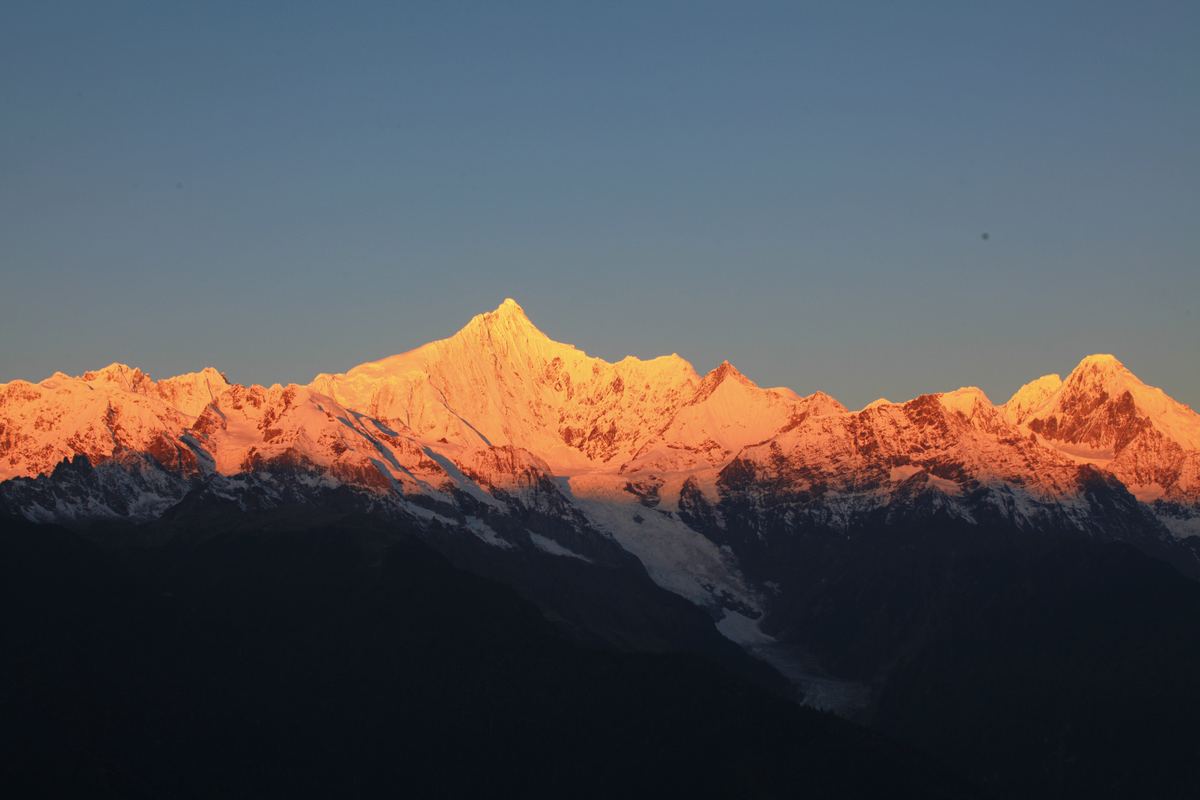
I’ve lost count of how many times I’ve pulled over on the east bank of Erhai, engine ticking in the cool dusk, watching the karst peaks bleed tangerine into the lake’s glassy surface. For overseas travellers who’ve flown all the way to southwest China, Yunnan self-drive rental for foreigners is the easiest way to chase those fleeting golden hour moments without haggling for taxi fares or cramming onto packed tour buses.
Last October, I watched a group of backpackers huddle by the roadside at Xizhou, staring at their phones as the light faded. They’d taken the midday bus from Dali old town, timed perfectly to miss the best 40 minutes of sunset glow. That’s the thing about Erhai: the light doesn’t wait for scheduled transport. To catch it right, you need your own set of wheels, timed to the minute.
Why self-drive is the only way to catch Erhai’s golden hour
Erhai’s golden hour shifts with the seasons. In spring, the soft warm light hits the lake around 6:45pm, gilding the white-walled Bai villages tucked between the water and the Cangshan range. In deep winter, the sun dips lower by 5:30pm, painting the shallows rose-pink before the mountain shadow swallows the shoreline. Public buses stop running along the east ring road by 6pm, so you’ll never make it to the west-facing viewpoints in time if you rely on them.
When I first did this trip three years ago, I landed at Kunming airport bleary-eyed from a 12-hour flight, and sorted Kunming airport car rental for foreigners right at the terminal, no faffing with metro transfers to a city pickup point. I grabbed a petrol VW Lavida, loaded my backpack into the boot, and set off west on the G56 expressway, the karst hills rolling past in the soft late afternoon light. You don’t need a 4WD for this stretch, by the way. The Lavida ran me RMB 260 a day, with unlimited mileage, and the 3,000 RMB rental deposit came back to my card 6 working days after I dropped the car back, once the traffic fine check cleared.
A quick note on paperwork before I go further: you can’t use an International Driving Permit here. A China temporary driving licence can be arranged for 1,500 RMB, no in-person visit required, which is a massive weight off your mind if you’re landing straight off a long-haul flight. The booking deposit for the car is 600 RMB, non-refundable if you cancel for personal reasons, so double-check your flight times before you lock it in.
Timing your drive to hit the light perfectly
Let’s cut to the practical bit. If you’re basing yourself in Dali old town, here’s the schedule I’ve refined over a dozen trips:
- Leave Dali old town 90 minutes before official sunset. That gives you time to navigate the narrow village lanes, find a parking spot off the main road, and walk down to the shoreline without rushing.
- Skip the crowded west bank viewpoints near the old town. Drive east across the Erhai bridge, take the small local road south from Haidong, and pull over at the unmarked pull-offs where the water is shallow enough to see pebbles under the surface. No entrance fees, no crowds, just you and the light.
- Stay for 20 minutes after the sun dips behind the mountains. The afterglow turns the water deep indigo, and the village lanterns flicker on one by one. It’s quieter than the peak sunset, and the photos feel far more atmospheric.
I made a classic mistake on my first trip: I left Dali at 5:30pm in mid-November, thinking I’d have plenty of time. I hit a slow-moving farm truck on the village road, and by the time I pulled over at my favourite viewpoint, the last sliver of sun had already vanished. I sat there for 10 minutes kicking myself, watching the lake turn cold grey. That misjudgement taught me to always add 30 minutes of buffer for slow traffic around the Bai villages, where farmers often drive their tractors loaded with garlic or rapeseed along the single-lane roads.
Choosing the right car for your Yunnan route
If you’re extending your trip up to Lijiang and Shangri-La, sorting Dali Lijiang car rental for foreigners means you’ve got two solid vehicle options to pick from. The VW Lavida or Jetta works perfectly for the Erhai loop, tucking into tight parking spots by the lakeside and sipping petrol on the expressway between Dali and Lijiang.
If you’re planning to detour off the main road to hike the lesser-known trails in Cangshan, or head up to the higher passes towards Shangri-La, the Tank 300 2.0T is the better call. It’s RMB 400 a day, with a 5,000 RMB rental deposit, and comes with a 300km per day mileage limit. Just remember: if you pick the car up in Dali and drop it off in Lijiang, there’s a 1,500 RMB one-way return fee. I ran the numbers on my last trip: for a 5-day loop starting and ending in Dali, the Lavida was cheaper. For a point-to-point trip up to Lijiang, the Tank 300’s higher clearance made the bumpy mountain road stretches far less stressful.
Insurance is included with every rental, covering compulsory and commercial cover. Minor scratches under 1,500 RMB are paid by the driver; anything above that goes through insurance, with the client covering 30% of the cost. Scratches that don’t break the primer are repaired for free, no hidden charges for downtime or depreciation on paintwork. If the car breaks down from a mechanical fault, the team covers it; if you cause a breakdown, towing costs come out of your pocket. I scraped the Lavida’s bumper on a low stone wall in Xizhou last spring, and the scratch didn’t reach the primer, so I didn’t pay a penny for it. Saved me a nasty surprise at drop-off.
Small tips that make the whole trip smoother
Pick up your car at the airport if you can. The queues at the Kunming terminal move fast, and you can hit the expressway before the city rush hour kicks in. Navigation works seamlessly with the car’s built-in system, no faffing around with foreign SIM cards for data. Parking around Erhai is mostly free at the unmarked pull-offs, though the formal viewpoints near the old town charge a small fee.
Don’t try to cram the full Erhai loop in a single day. The road stretches for around 120km around the lake, and stopping every 10 minutes to take photos means you’ll end up driving in the dark. Split it over two days: do the north shore from Xizhou to Shuanglang on day one, the east shore from Haidong to the south end on day two. That way, you’ll catch golden hour from two different angles, without rushing.
Last time I did this, I pulled over at that Haidong viewpoint as the sun dipped, and a local Bai grandmother selling roasted sweet potatoes waved me over. She handed me a warm potato, steam curling up into the cold evening air, and pointed out the spot where the light hit the lake just right. That’s the kind of moment you’ll never get on a bus tour. Get the timing right, bring a warm jacket for the post-sunset chill, and you’ll leave Erhai with photos you’ll still be showing friends years later.