I first messed up this parking lark back in October 2023, pulling my rented VW Lavida up half on the curb outside a tiny Erhai lakeside cafe, just to grab a quick flat white before the afternoon light turned golden. A local farmer walking past with a wicker basket of fresh walnuts tapped my window, and gestured firmly to the narrow lane behind me, where a three-wheeled vegetable truck was stuck, beeping softly. I’d blocked the only access road he used to get his produce to the village market. I moved, fast, and that small embarrassment taught me more about lakeside parking than any guidebook ever could.
Why Dali Lijiang car rental for foreigners beats organised tours
Most people I meet on the trail arrive in Kunming, pick up their car, and drive west. Kunming airport car rental for foreigners is set up to make that first step easy — you don’t have to haul your bags onto a crowded high-speed train, or haggle with taxi drivers over fixed prices to Dali. For Yunnan self-drive rental for foreigners, the freedom to pull over when you spot a wildflower meadow, or linger at a cafe until the sun dips over the Cangshan mountains, is worth every penny of the rental cost.
When I first started doing these trips, I tried the group tour route once. We stopped at three lakeside cafes, each for exactly 12 minutes, just enough time to take a photo and drink half a cup of tea. I’d rather sit for two hours watching the wind ruffle the lake, listening to the cormorants dive, than rush through it. That’s why I always book a car now.
First things first: the licence and rental basics
Before you even think about pulling over for a coffee, you need to sort the paperwork. A China temporary driving licence can be arranged for 1,500 RMB, and you don’t have to attend in person to get it sorted. Don’t turn up expecting to drive on whatever you have from home — that’s not how this works.
The cars on offer are all petrol, no electric vehicles here, which is a relief when you’re driving up remote mountain passes where charging points are thin on the ground. I usually go for the VW Lavida 1.5L, at 260 RMB a day, with a 3,000 RMB rental deposit and unlimited mileage. It’s nippy enough for the winding lakeside roads, and easy to park in tight spots. If you want something sturdier for the trip up to Shangri-La, the Tank 300 2.0T is 400 RMB a day, with a 5,000 RMB deposit and a 300km per day limit. Just remember, if you pick up in Dali and drop off in Lijiang, there’s a 1,500 RMB one-way return fee to factor in.
The deposit gets refunded 5-7 working days after you drop the car back, once they’ve checked for any outstanding traffic fines. Insurance comes included, both compulsory and commercial cover. Just know the rules for damage: minor scratches under 1,500 RMB you pay for yourself. Anything over that goes through insurance, and you cover 30% of the cost. If the scratch doesn’t go through to the primer, it’s free, no hidden charges. No downtime fees, no depreciation charges on paintwork or replaced parts, which is a relief. If the car breaks down for a mechanical reason, that’s covered. If you cause the breakdown, like scraping the undercarriage on a rocky track, you pay for the towing. And if you cancel for personal reasons, the 600 RMB booking deposit is non-refundable — so lock in your dates firmly before you pay.
The lakeside cafe parking rulebook, learned the hard way
Erhai’s west road winds for 50km along the shore, and half the cafes there are tucked down tiny, unmarked lanes, no official signposting. Most of them don’t have big, paved car parks. I’ve seen tourists pull up right across the entrance to a lane, because they spotted a cafe with a perfect view of the lake, and then wonder why the local villagers are staring.
Last spring, I was at a cafe near Xizhou, sipping a tieguanyin tea, when a group of travellers in a Tank 300 pulled their car right across the mouth of the lane. The owner of the cafe came out, sighed, and explained that the lane was the only access for the three households further up, and that the afternoon school bus had to come down that way at 4pm. The group looked sheepish, and moved the car 50 metres up the road to a dirt patch that was marked as informal parking. That’s the thing — most villages have a small, unmarked dirt pull-off within a minute’s walk of the cafe, it’s just not always obvious from the main road.
What I always do now, to avoid blocking traffic
- Slow right down when you spot a cafe you want to visit. Don’t brake hard in the middle of the road — there are cyclists, electric scooters, and local farmers on three-wheelers coming up fast behind you. Pull into the nearest wide, hard shoulder before you even turn your indicator on, then check if there’s a side lane leading to the cafe.
- If there is a side lane, don’t drive all the way down it unless the cafe owner waves you in. Most of these lanes are barely wide enough for one car, and if you meet someone coming the other way, you’ll both be stuck for ten minutes while you reverse to a passing place. Park at the mouth, walk the 50 metres in. It’s nicer anyway — you’ll pass the vegetable stalls, the old men playing mahjong under the trees, the smell of fried potatoes drifting from the village kitchen.
- Never park on the paved section of the main road, even if it looks empty. The road narrows in places, and the big tourist buses coming from Dali old town need every inch of tarmac to get past. I once watched a bus driver have to mount the curb to get around a parked car, and he was not happy about it.
- If you’re in Lijiang, near the Lashihai lake cafes, the same rules apply but the roads are even narrower. The horse riding trails run right alongside the road, so if you park half on the verge, you’ll be blocking the horses too. I’d rather walk an extra two minutes than hold up a line of local villagers going about their day.
I don’t get why people rush. The whole point of coming to Dali is to slow down. If you’re so pressed for time that you can’t walk 100 metres from your car to a cafe, you’re missing the point of the trip. I’ve spent whole afternoons at that same Erhai cafe, watching the light shift on the water, talking to the owner about his family’s tea plantation, and I never once regretted parking a little further away.
Final small tips to make the trip smoother
When you pick up the car, take photos of every single scratch, even the tiny ones on the bumper. I do this every time, and it’s saved me from being charged for damage I didn’t cause more than once. Check the tyre tread, make sure the spare is inflated, before you drive off the car park.
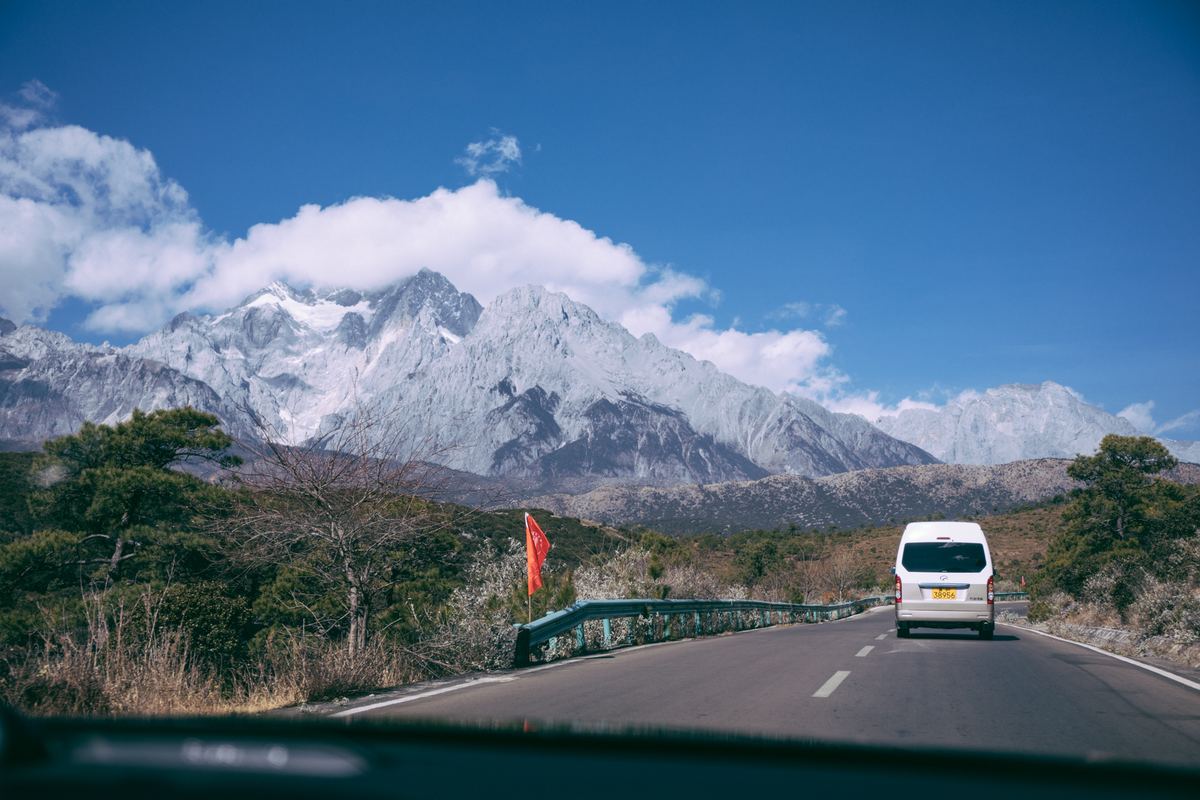
And remember, the mountain roads between Dali and Lijiang have sharp bends, especially as you climb over the passes. Drive slow, keep left, and don’t overtake on blind corners. The views are stunning, but don’t stare at the snow-capped peaks while you’re driving — pull over at the designated viewing points to take photos.
At the end of the day, Dali Lijiang car rental for foreigners is all about respect. Respect the roads, respect the local people who live here, and don’t treat the lakeside like your own private car park. It makes the whole trip nicer for everyone.